
Muslims’ prayers and introspection during Ramadan can be a ‘blessing’ for the entire community | Opinion
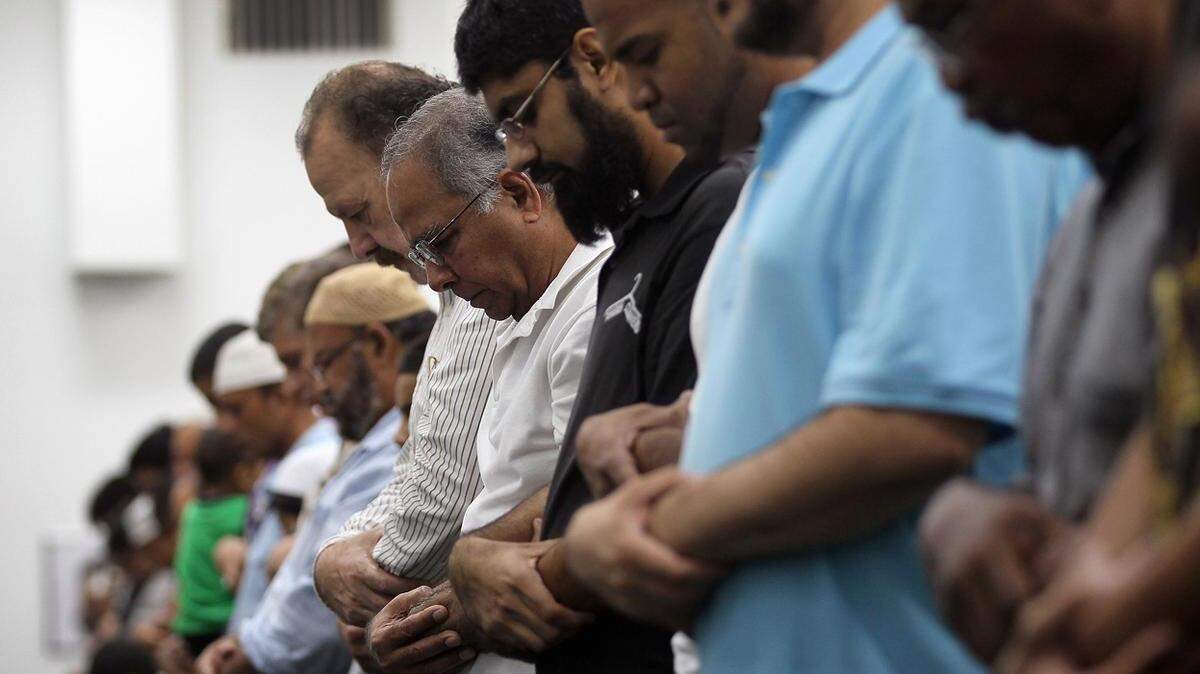
Dr. Seyyed Hossein Nasr, an Iranian professor emeritus of Islamic studies, argues that self-denial and asceticism are essential elements of faith traditions; fasting is a widely practiced expression of this quality. Therefore, we find that Buddhism, Christianity, Hinduism and Judaism use some form of fasting as their religious practice.
An event or holiday reveals the essence of a faith. Like Yom Kippur, for Jews; Easter for Christians; and Purnima for Buddhists and Hindus
Fasting also offers the central theme for Muslims: Submit completely, mind and body, to seek closeness to God in order to attain piety as the Quran asserts: “O’ Believers, Observe Saum — the fasting, it is prescribed for you as it was prescribed for those before you (Jews and Christians), that you may become Al-Muttaqun — the pious one.”
Ramadan, which began this week, is also significant because it fulfills one of the five pillars of Islam. “Saum” means fasting, or abstaining. It is an obligatory form of worship for Muslims. In almost all traditions, fasting was observed by abstaining or giving up food, water or personal pleasures, parting with wealth as charity or, in some cases, living in solitude and silence. Ramadan includes all.
However, the purpose of this worship in Islam is to prepare an individual to be a virtuous and upstanding person who will discharge his duties to his Creator on one side and to society on the other. During this period, Muslims fast from dawn to sunset — no food or water; no sexual relationships; late-night prayers; abstaining one’s mind from carnal thoughts, connivance, plotting or scheming against others; purifying the heart of lust, bigotry and hate; shielding all other faculties from indulging in lying, cheating, deceit and any other form of ill will toward our fellow human beings.
This season allows Muslims to seek a spiritual retreat into their inner beings to reflect upon life and the purpose of their existence, which is complete submission and obedience to Allah — God — and seek His pleasure. Nothing less.
It is an opportunity for introspection, discipline, patience, compassion and, most important, reflecting upon and repenting one’s vices.
This experience helps formulate the ideal Islamic character in a believer, one who abides by the commands to abstain even in private, with no witnesses but all-knowing omnipresent God. A believer develops a sense of duty to respect authority, with obedience that obligates him to comply with the terms of fasting voluntarily. It is a test of resolve to choose between material and spiritual benefits; between the pleasures of this world and the reward in the hereafter — all for the pure pleasure of God.
Thirty days of self-imposed deprivation of sleep and of food from dawn to sunset, plus conscious restraint from vices instills discipline and confidence through self-control; serenity by forsaking; obedience and respect by submitting to the Authority; duty and responsibility; and, most important, patience and perseverance. This generates qualities of selflessness and sacrifice that establish a new set of priorities.
Collectively such a group of people that forsakes their own priorities for the sake of the others, and all for one reward — pleasure of their Creator, is a blessing for any community.
Mohammad S. Shakir is a board member of COSMOS, Coalition of South Florida Muslim Organizations.
This story was originally published May 6, 2019 at 4:48 PM.