
Anti-tolls frenzy puts Florida’s economic future in jeopardy | Opinion
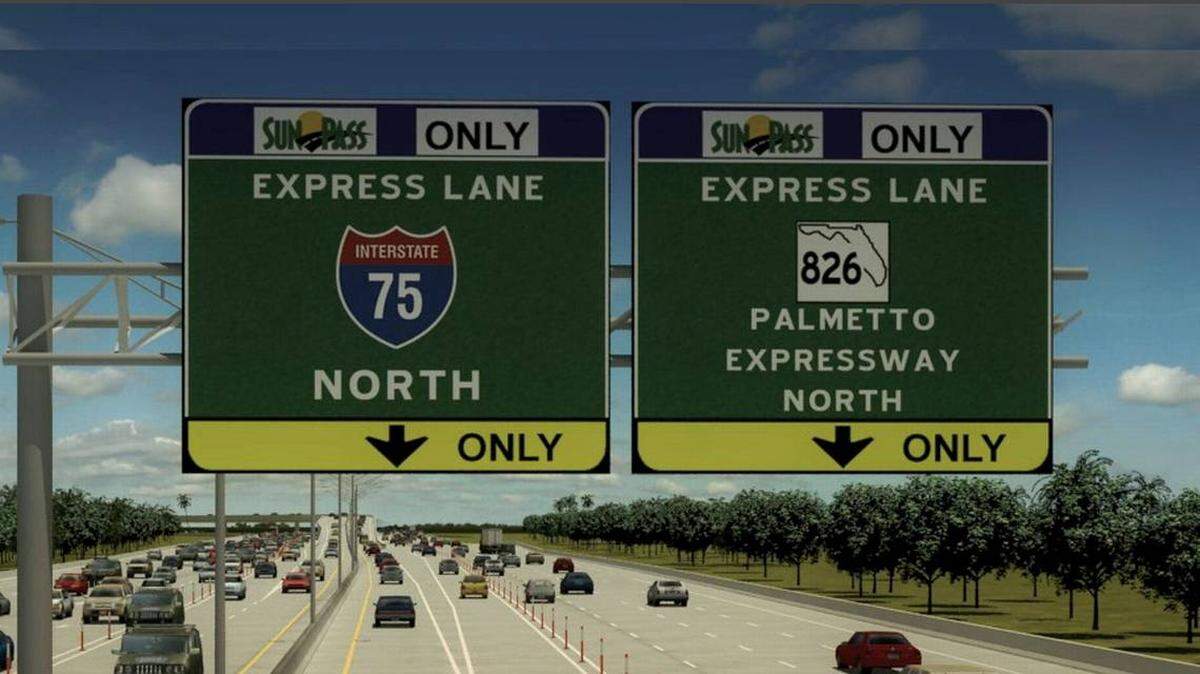
There’s truth in the old saying that, “No one’s property is safe when the Legislature is in session.” In Florida’s case, the anti-tolls feeding frenzy under way in Tallahassee puts Florida’s economic growth at risk.
A rapidly changing set of proposed bills would put arbitrary restrictions on the rates charged in Miami by toll roads and express toll lanes, abolish the well-run Miami-Dade Expressway Authority (MDX), turning its existing toll roads over to a hastily created body and making it illegal to issue new bonds to fund much-needed expansion projects.
When it comes to MDX in particular, sponsors of the MDX poison pill keep telling legislators from elsewhere in Florida that this is a local issue that should not concern them. But that is false. The bond market that finances the long-term toll revenue bonds that all Florida toll entities rely on is very sensitive to “political risk.”
Last year, after legislators forced MDX toll reductions and mandated that 20 percent of any “surplus revenue” be turned over to the county government to use for transit, Fitch Ratings reduced its outlook on MDX bonds from “stable” to “negative,” citing “unprecedented intervention” by the Legislature. And its analysts warned that future legislative assaults could lead to “negative rating action.” A reduced bond rating would mean higher interest rates, which would require higher toll rates.
If any of the proposed restrictions actually pass, this would be like erecting a giant billboard at the state border declaring Florida a high-risk state for all toll financing. That would make it harder to sell future toll revenue bonds anywhere in Florida and increase the interest rate on those bonds that could be sold — to the detriment of the millions of daily users of these many toll roads, toll lanes, and toll bridges.
The consequences for Florida would be serious. Today, 33 Florida counties have tolled highways and/or bridges, and motorists willingly pay tolls to travel 16 billion miles a year on them. Most of the expressways that have enabled the Miami and Orlando metro areas to cope with explosive growth have been financed by toll revenues. Florida could not have kept pace with one of the fastest growth rates in the country without the current 3,500 miles of tolled expressways.
There is no reason to think that Florida’s growth will cease any time soon. But to avoid gridlock as ever more people live and work in the Sunshine State, we need to continue making strategic investments in our long-distance highways and urban expressways. Florida toll agencies have $10 billion in such projects on tap in the coming decade, including the approved but not-yet financed Kendall Parkway in Southwest Miami-Dade County. Forbidding MDX to issue new bonds coupled by a proposed 25 percent toll reduction would kill this much-needed project and any other needed improvements.
Anti-toll activists in Miami pretend they are speaking for the majority in seeking to abolish toll roads. But they ignore the clearly expressed desires of 700,000 daily customers of MDX’s toll roads. They have a choice between gridlocked local streets and sometimes-congested MDX expressways — and choose what works best for them. Overall, 875,000 SunPass accounts are linked to MDX customers, and many such accounts include more than one transponder. So total users of MDX facilities likely exceed a million people.
A future of fewer or no tolled expressways would be a future of horrible gridlock. Around the country, over a dozen major metro areas are developing regionwide networks of express toll lanes. Perhaps furthest along is Dallas/Fort Worth. Latest congestion data show that despite DFW having 20 percent more people than Miami, its annual cost of congestion last year was $3.1 billion compared with $4 billion for Miami. That comparison will get worse if no lanes funded by tolls are added here, to say nothing of the gridlock that will occur if existing tolls were ended.
By all accounts, Florida will continue to grow. And there is no reason to think that the vast majority of Floridians (and tourists) won’t still get around in personal vehicles, shared-ride vehicles and buses. That means our highways and expressways must continue to expand — and the only feasible way to pay for such large-scale projects is tolls.
The Legislature would seriously threaten Florida’s future by curtailing toll financing.
Sonny Holtzman served on the newly created Miami-Dade Expressway Authority in 1995 as a member of its initial board of directors. He was elected chairman for its first six years.
This story was originally published April 9, 2019 at 6:45 PM.