
If David Bernhardt becomes Interior secretary, Florida’s coastline, economy will be in trouble | Opinion
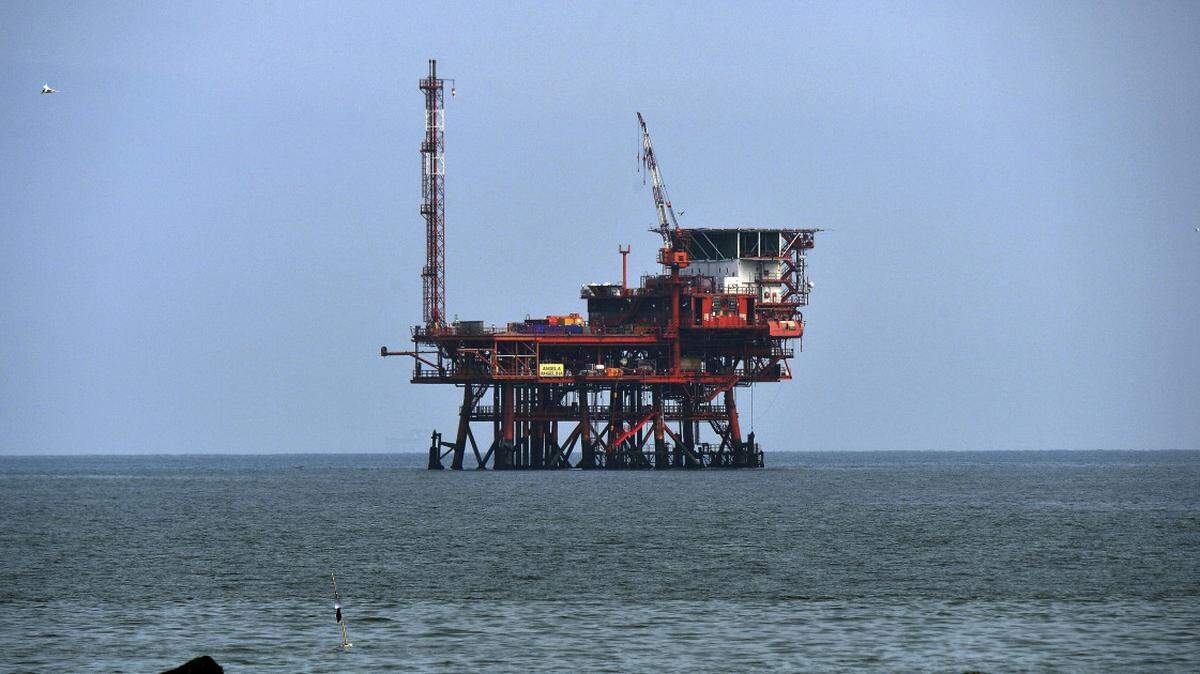
It’s cliché to say it, but Floridians believe in the value of sunshine. The Trump administration’s nomination of David Bernhardt, known for his association with the oil and gas industry, for secretary of the Interior raises serious questions about our government’s commitment to protecting our people, coastline, economy and marine life.
The Interior Department plays an important role in Floridians’ lives, helping to manage conservation of federal lands and waters. Key among these resources: the ocean, waves and beaches that draw so many to the state each year. Interior plays a crucial role in the decision to protect (or not) coasts from offshore drilling. That’s exactly why Florida’s Sens. Marco Rubio and Rick Scott need to make sure the new secretary of Interior understands the importance of public lands and waters to our economy and way of life.
As business owners and taxpayers reliant on the health of the coastline to create jobs and grow our economy, the Interior Department’s recent troubling moves to open Florida’s coasts for offshore drilling are deeply concerning. At the same time that the Department is opening areas of the Gulf for leasing, Bernhardt’s team at Interior is laying the groundwork for seismic testing in the Atlantic, a likely first step on the road to full-blown drilling.
Bernhardt’s record also raises serious questions about his objectivity in matters affecting our coasts. Why, for example, did the Department rush to approve more than 70 permits for offshore drilling during the government shutdown, including 53 for companies that sit on the board of one of his former clients? The National Ocean Industries Association (NOIA), one of the largest offshore drilling industry organizations in the country, once represented by Bernhardt in court, benefited at a time when Interior was short-staffed, and serious oversight likely couldn’t be conducted.
Why is Bernhardt, now acting Interior secretary, overseeing the very agency with the power to make such deals happen for the clients he once represented? And how is he balancing the concerns of industry — especially those he once worked with — with the broader public interest?
The stakes are high enough that the answers are essential. The Deepwater Horizon disaster of 2010 spilled more than 200 million gallons of oil in the Gulf of Mexico and devastated marine life, habitats and coastal communities. In subsequent months, tourism declined in cities along the Gulf Coast, resulting in the estimated loss of billions in decreased visitor spending, millions in lost sales taxes, and thousands of lost jobs.
Floridians and our neighbors in states along the Atlantic have been adamant that new oil and gas development is not what we want for our coasts. More than 80 local governments in Florida have passed resolutions against offshore drilling, and Florida’s entire federal delegation of 29 lawmakers sent a letter to Bernhardt, expressing opposition to expanded offshore drilling. Florida’s ocean tourism and recreation industry provides more than 400,000 jobs and almost $20 billion in annual contributions to our gross domestic product. We simply can’t afford the risks and effects of new offshore drilling.
Moreover, as oil demand diminishes in the coming years, a rush to drill will risk harming communities, marine wildlife and tourism for little to no benefit. We now face the real risk of another massive oil disaster as a result of the federal administration’s reckless plans to expand offshore oil drilling along our coasts.
Jobs and lives are at stake. We need to make sure that the Department of Interior will stand for us, not for drilling interests that would harm the Atlantic and Eastern Gulf coasts.
Floridians must let our federal leaders know we won’t sit by while oil rigs are built within sight of our most precious ecosystems. We must make sure our elected officials understand the dangerous consequences of Interior’s plans for expanded oil and gas development. We will work to protect our coasts from oil drilling disasters for today and the future.
Marilu Flores is the Florida regional coordinator for the Surfrider Foundation.
This story was originally published April 8, 2019 at 3:47 PM.