
Frank discussions of race and racism can’t be relegated to Black History Month
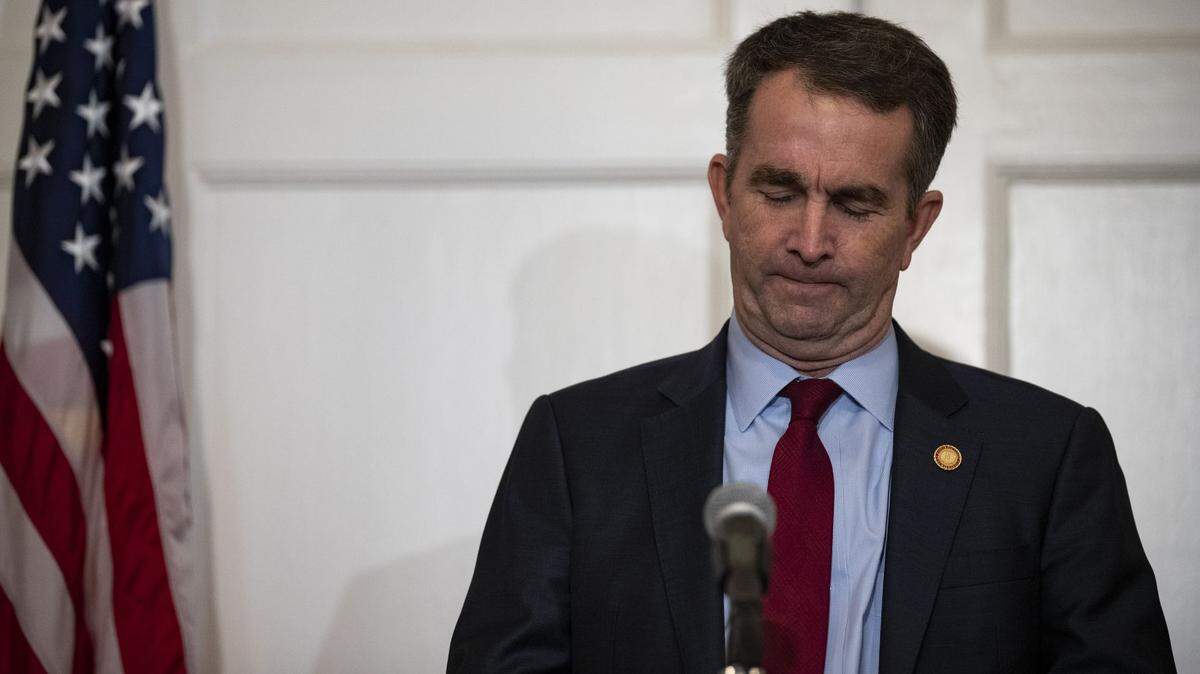
Several recent incidents brought race in America to the forefront yet again, with ensuing debates as to the level of responsibility one should bear for past racist acts.
Virginia Gov. Ralph Northam’s 1984 yearbook page from medical school featured photos of students wearing Ku Klux Klan robes and blackface. He admitted he was one of the people in the photo, then later backpedaled. Virginia State Senator Tommy Norment edited his yearbook while he attended the Virginia Military Institute. The final product was filled with racist slurs and images. Virginia Attorney General Mark Herring admitted to wearing blackface with friends as a teenager.
In Florida, Secretary of State Michael Ertel resigned quickly after pictures of him in blackface emerged soon after he was appointed to office. Florida Rep. Anthony Sabatini wore blackface at a party and has yet to resign or issue an apology.
Actor Liam Neeson stated, as part of a promotion for his new movie, that he once sought to kill any random black man he encountered in retaliation for the sexual assault of a woman close to him.
Closer to home, we saw four African-American youths threatened with a gun on Brickell Avenue on the Dr. Martin Luther King holiday. The defendant, Mark Bartlett, was charged with felonies with a hate-crime enhancement.
Neeson’s statement was problematic for a number of reasons. The fact that he was willing to kill any black man in retaliation for the assault on his friend harkens back to cases like the Groveland Four and Emmett Till. It showed a deeper layer of racism that he has yet to grapple with. If his comments had been, “I had this awful thought, how can I do better?” and then he detailed the ways he looked to change his viewpoints in the years to follow, it would have landed differently.
The same applies to Northam, Herring and Norment. They are from different political parties, yet they held the same racism in their hearts as exhibited by previous actions.
By contrast, Adrian Arkin, an attorney at a Miami law firm, received a great deal of attention for a tweet stating she was racist in 1984, and accepts ownership for this. Arkin showed she was open to growing and learning more — which, to me, is the bottom line.
The Brickell incident underscores the need for strong protections against acts motivated by hate and should embolden the Florida Legislature to expand the criteria for hate-crime protection to gender, gender identity and disability as well. It is a critical step to ensure all Floridians are protected from harm.
There’s no way that racism will be eradicated overnight. But we can’t have an event on Dr. Martin Luther King Day, and during Black History Month, then pat ourselves on the back believing the problem is fixed. Going to a black church on Sunday while on the campaign trail doesn’t cut it. It is a continual process of growing, accepting responsibility for past mistakes, acknowledging that you may have hurt someone and working intentionally on doing better.
Defensiveness and “doubling down” on offensive behavior — even worse, attacking the person who is offended as being “too sensitive” — does not improve our country. To me, doing so is the epitome of racism and white supremacy, because people feel entitled to do what they want to do, regardless of the consequences and who may be hurt.
The task of educating others on the issue of race must not be borne on the backs of people of color. White people need to learn history — not the sanitized version of slavery, but of the real pain that people of color endured in this country, and the lasting effects still present today.
If you are interested in learning, read. Hire facilitators to come into your workplace and host tough discussions about race, equity and inclusion. Deliberately expose yourself to people and cultures that are not like your own. Act to ensure diversity in your workplace, especially in decision-making positions.
And if you did something offensive, for heaven’s sake, be an adult and accept responsibility.
Melba Pearson is the deputy director of the ACLU of Florida and a former homicide prosecutor in Miami.