
Major League Baseball’s deal with Cuba will fight human trafficking
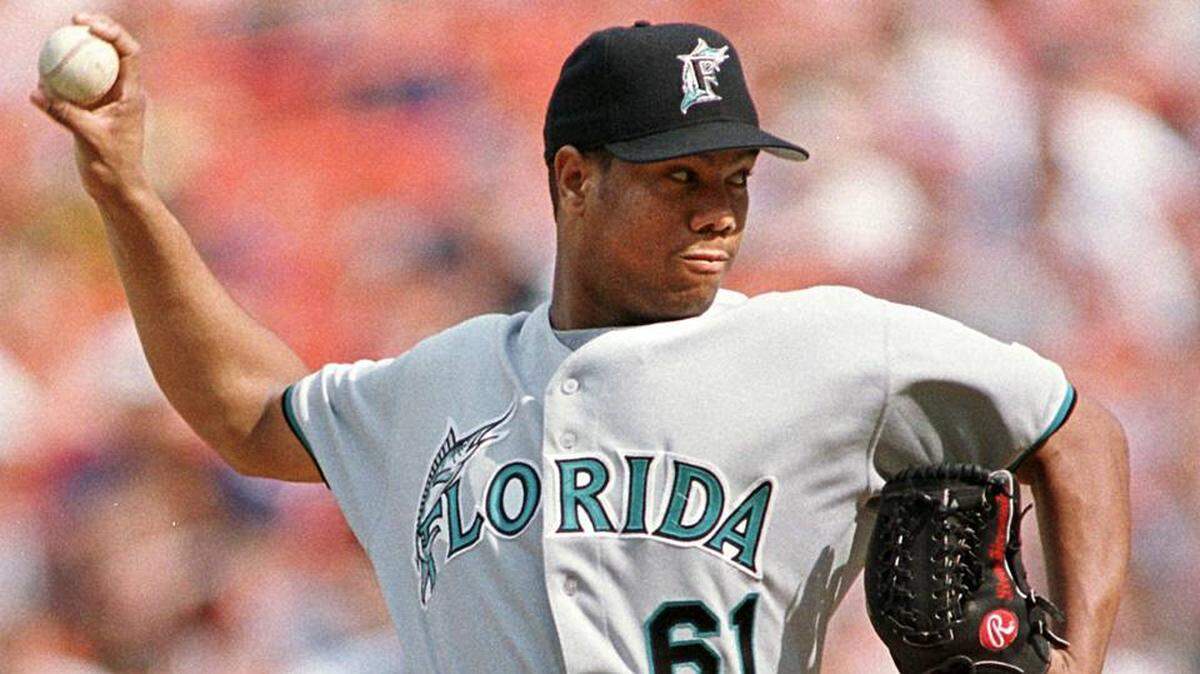
Growing up in Miami, my family loved going to see the Marlins play baseball. I remember throwing fake pitches in my living room, pretending to be famed Marlins All-Star Livan Hernandez, who was named MVP following the team’s 1997 World Series victory. My admiration of Hernandez grew even further years later, as an adult, when I learned of the terrible dangers and challenges Hernandez and his half-brother “El Duque” Orlando Hernandez overcame to flee Cuba for the United States to compete at the highest level in the major leagues.
Many talented Cuban baseball players have survived the journey across the Straits of Florida. Still others have lost their lives or found themselves in debt to smugglers and human traffickers, violent gangs and narco-traffickers. And yet they continue to risk their lives in search of the American Dream.
Major League Baseball (MLB) took a significant and positive step to prevent further tragedies last month when they announced a new agreement with the Cuban Baseball Federation (FCB) that will provide Cuban baseball players a safe and legal path to come to the United States.
When my colleagues and I drafted President Trump’s new Cuba Policy in 2017, we were instructed to have four main objectives guide us: improve human rights; encourage the rule of law; foster free markets and free enterprise; and promote democracy in Cuba. Our ultimate objective, set by the president, was one that I believe was shared by every Cuba policy put forth by different administrations over the past several decades, even if there has been disagreement on how to best go about achieving it: to try to improve the lives of the Cuban people.
The MLB-FCB agreement falls within these objectives and advances Trump’s Cuba policy.
The agreement will follow the same terms of agreements that MLB had previously struck with the Japanese, Korean and Chinese baseball federations, which allow any player under local contract who is at least 25 years old and has six or more years of playing experience to sign with MLB clubs. FCB would receive a “release fee,”a set percentage of the bonus or base salary the player receives, and the player and his family would be free to live and work in the United States and to travel back and forth to Cuba as they deemed fit.
Some point to the “release fee” portion of the agreement and argue that such money would be used to fund Cuban violations of human rights. However, the agreement states that the money generated through this fee, estimated to be less than $2 million a year, will be used for baseball purposes, including improving baseball stadiums and fields, and purchasing equipment for youth leagues. Indeed, $2 million is a drop in the bucket from Cuba’s $62.11 billion annual budget, or the $3 billion annual revenue generated from tourism to the island.
The benefits that this agreement provides, on the other hand, are tangible and plenty. It fights human trafficking. It prevents dozens of millions of dollars a year from ending up in the hands of violent gangs, smugglers, and narco-traffickers. It allows Cuban players to benefit from a free market in the United States, and to keep the money that they make. It allows players and their families to legally leave Cuba and move to the United States. And ultimately, it will help to bring the people of Cuba and of the United States closer together.
The MLB-FCB agreement will not restore democracy in Havana; nor will it end the human rights abuses that take place daily on the island. But it will take a small positive step that is in alignment with the objectives we have tried to follow in crafting Cuba policy over the past several years. And for the players who benefit from this agreement and their families, this will signify a huge leap in bettering their lives.
When Livan Hernandez won the World Series and the MVP trophy in 1997 he cried tears of joy. Not because of what he had just accomplished, though that certainly made him proud, but because the attention he was now receiving finally forced the Cuban government to allow him to once again see his mother. After two-and-a-half years of being banned from seeing her, Hernandez hugged his mother and said it was the “happiest moment of his life.”
Thanks to this new agreement, future Cuban baseball players will no longer have to choose between their and their family’s well-being and following their life’s calling.
Fernando Cutz, a senior associate at The Cohen Group, served as acting senior director for Western Hemisphere Affairs and senior adviser to the national security adviser on President Trump’s National Security Council. He also worked on Latin America policy at the White House under President Obama.