Caribbean nations should develop strategy to create resilience to natural disasters
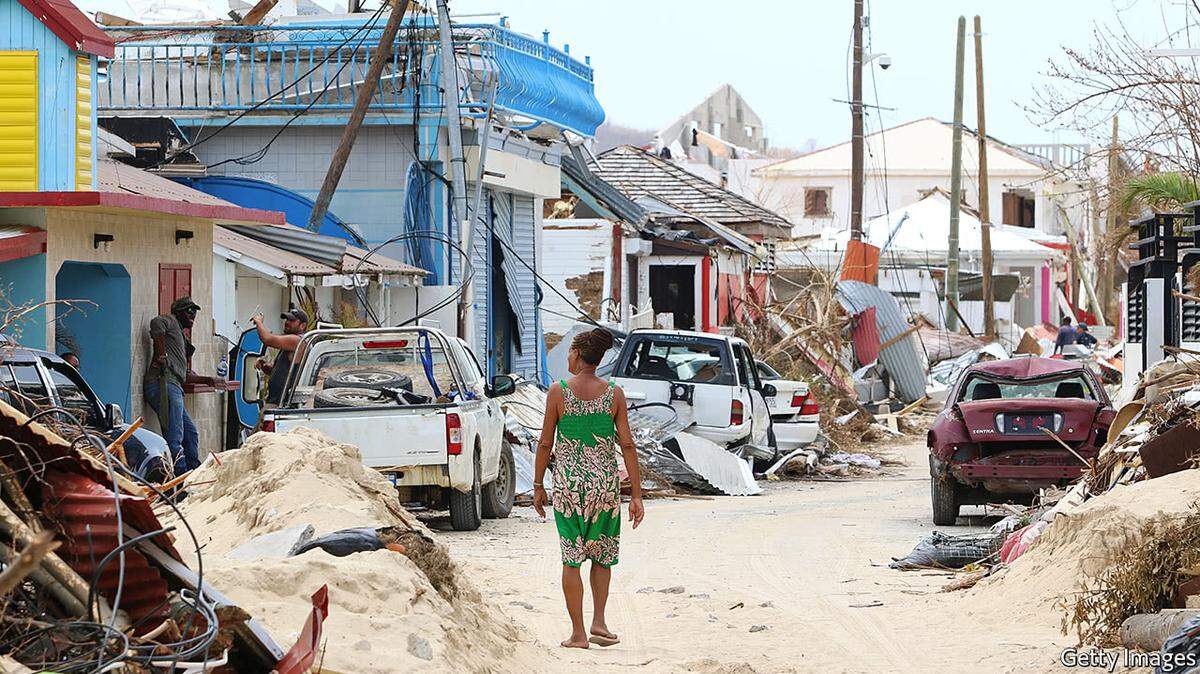
The back-to-back Category 5 hurricanes that led to heart-wrenching human suffering and damage is clear evidence that the Caribbean is becoming increasingly vulnerable to natural disasters. With the frequency and intensity of disasters only expected to rise, time is of the essence for countries in the Caribbean to build resilience to natural disasters and climate change.
Resilience rests on three pillars: 1. structural resilience, notably resilient physical and social infrastructure; 2. financial resilience, including through insurance; 3. emergency response. Caribbean countries have made important efforts in building capacity to undertake emergency response following disasters. Similarly, the creation of the Caribbean Catastrophe Risk Insurance Facility in 2007 has improved countries’ ability to protect themselves financially, although they still remain significantly underinsured against the risks of natural disasters.
But where these countries fall significantly short is with regard to structural resilience, also referred to as “climate change adaptation,” notably the resilience of public infrastructure and key economic sectors to natural disasters. Investment in adaptation and early-warning systems, which increase preparedness and help reduce damages, has taken a back seat to other urgent social and development needs. The economics is, however, clear. Not only is a resilient economy less affected by natural disasters, it is also more dynamic, as it incentivizes greater private investment, reduces outward migration, increases output and, eventually, lowers the need for financial protection and related costs.
What prevents Caribbean countries from investing more in resilience? Most countries in the region have limited fiscal space and high public debt, while private financing is constrained by low profitability. At the same time, financing by the international community has focused largely on mitigation and recovery from disasters, with resources for adaptation to climate change falling well short of the needs. Further, demanding administrative requirements and low capacity pose formidable obstacles in the ability of small island economies to secure financing from climate funds for resilient investment. Finally, the political economy angle also poses a challenge as upfront costs for resilience investment are met typically with long-term payoffs. All these factors combine to create a vicious cycle in which inadequate preparedness for natural disasters and weak fiscal performance reinforce each other.
It is against this backdrop that, in the context of a recent high-level conference on building resilience in the Caribbean hosted by the International Monetary Fund (IMF), World Bank and the Inter-American Development Bank, the managing director of the IMF called for a “shift in paradigm,” aimed at placing greater emphasis on investing in creating resilience to natural disasters, supported by an alliance of key stakeholders.
How would this work in practice? At the center of this approach is a Climate Resilience Strategy, elaborated by Caribbean countries, with input from stakeholders. Countries would be expected to develop well-designed and strategies that are fully cost out to build disaster resilience, involving priority projects for investment in adaptation and appropriate financial protection. The strategy would be based on a sustainable medium-term macroeconomic framework, with countries doing their part to get their fiscal houses in order. Explicitly integrating both the upfront costs of investment in resilience and its longer-term benefits in a sustainable macroeconomic framework should help catalyze financing from the international community.
Multilateral institutions, including the IMF, and regional development banks could support such an initiative by helping countries design resilience strategies and assess the consistency of these plans with macroeconomic stability and fiscal sustainability; provide financing in line with their respective mandates; and help build capacity in areas critical for resilience building.
Strong resilience strategies and credible macroeconomic frameworks should, in turn, help gain the support of donors. They should also help catalyze financing from climate funds, as the endorsement provided by international financial institutions on resilience building and macroeconomic policies could be used by them as a screening device to simplify their administrative requirements.
The Caribbean’s vulnerability to natural disasters shows that preparedness is key and no longer a matter of choice. Action is needed now. This strategy can help Caribbean countries build resilience and secure strong, durable and inclusive growth.
The IMF will, as always, remain an important partner in helping Caribbean countries meet this challenge.
Alejandro Werner is the IMF’s director of the Western Hemisphere Department. Krishna Srinivasan is the Department’s deputy director.