Will Santa arrive in a driverless sleigh next Christmas?
For those of us who will soon head over the river and through the woods to meet up with family, the holidays mean travel. Last year, almost 100 million Americans hit the road during the season, and the number only seems to rise each year.
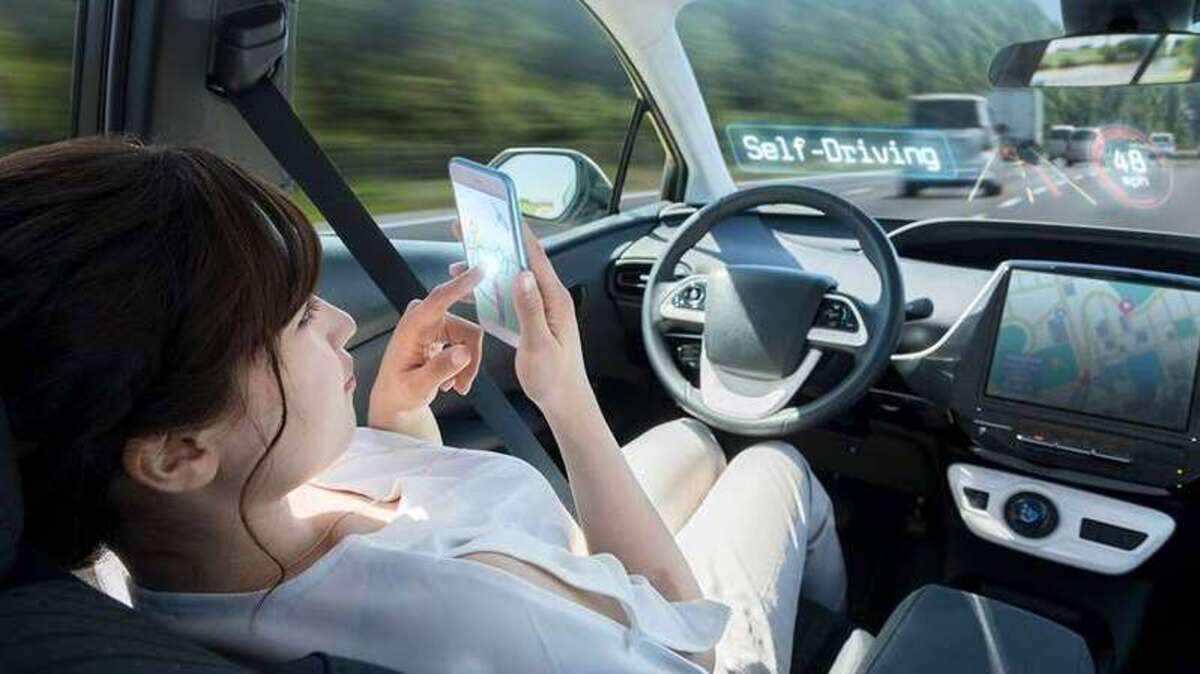
All told, 34 percent of people find it stressful. Travel also can be time-consuming and dangerous, taking some fun out of a joyous time. Luckily, the latest and greatest tech isn’t limited to what’s under the tree. Driverless vehicles are poised to make many of our travel headaches a part of Christmas past — and sooner than you think.
Take a look at what’s happening this December alone. Waymo, a leading player in the autonomous vehicle market, launched the first driverless taxi service and GM is focusing on similar technology. And just in time for cold winter days, Elon Musk recently announced that the next Tesla upgrade would enhance its “Summon” feature so that your vehicle can come to you so long as it’s within your sight.
What once seemed as far away and fantastical as Santa’s workshop is now rapidly becoming reality. These advancements will be a wonderful gift for holiday travelers. Driverless cars will help reduce winter woes like fighting traffic or finding the best route to our destinations, reducing the pain of long or crosstown road trips by letting everyone simply enjoy the ride.
Driverless cars will also make it easier for senior or disabled citizens who can’t drive on their own and who struggle with day-to-day logistics like getting groceries or going Christmas shopping. AARP and the National Foundation for the Blind have partnered with driverless-car innovators to promote the increased independence and safety these vehicles provide. In fact, a driverless car may even be able to bring the store to you, as retailers such as Walmart and Kroger experiment with autonomous grocery delivery.
Most important, driverless cars can help ensure that everyone makes it home for the holidays safely. More than 94 percent of auto accidents are caused by human error. While the technology isn’t perfect yet, it’s far better than most people realize — and the vehicles don’t get drowsy, drunk or distracted. They could save the lives of many people who suffer from the consequences of bad choices made after holiday parties or on New Year’s Eve. Even more of this technology is right around the corner.
GM’s semi-autonomous Cadillac Super Cruise driver assist technology will be available in all GM models by 2020. Families in Waymo’s early rider program in Arizona have already experienced the day-to-day advantages driverless vehicles provide. More companies have announced pilot programs in a range of cities from Washington, D.C., to Frisco, Texas. It won’t be long before they’re widely available for Americans to go dashing through the snow across the country.
The policy front is also full of good cheer. The Department of Transportation just finished taking comments on its recent “Autonomous Vehicles 3.0” guidance document, which provides a framework for how the federal government will regulate them. It looks like DOT will continue to encourage innovation by keeping regulations sensible, minimal, and flexible — allowing companies to push the boundaries of what we previously thought possible while still keeping consumers safe.
While red-nosed reindeer may be guiding Santa’s way, driverless cars may soon make it easier for the rest of us. By next year, maybe Rudolph can even take some time off.
Jennifer Huddleston Skees is a research fellow and Trace Mitchell is a research assistant with the Mercatus Center at George Mason University.
Tribune News Service