
America’s futile policies in the Mideast have not done us any favors
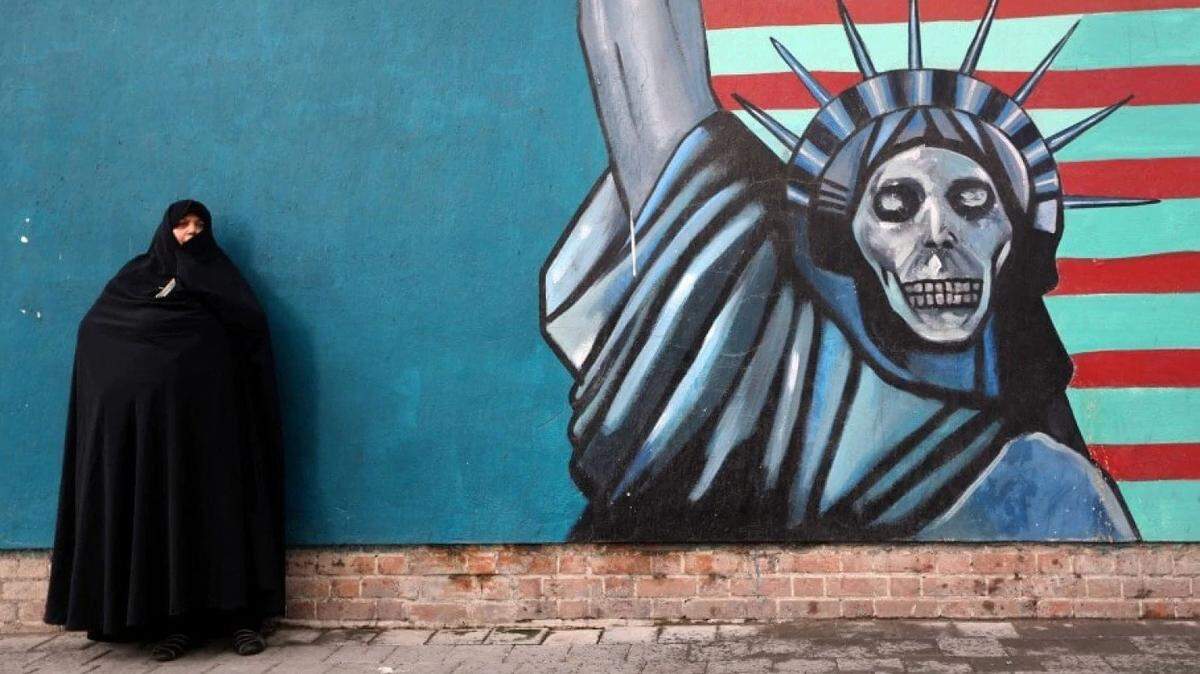
Since the murder of the journalist Jamal Khashoggi, clearly sanctioned by Saudi Arabia’s Crown Prince Mohammad Bin Salman, the American people have seen U.S. senators steady stream of righteous indignation. In a rare display of bipartisanship, they voted on a resolution to end American military assistance to the Saudi war in Yemen.
I wonder: Where has this righteous indignation been for the past 40 years when our presidents have been responsible for a failed foreign policy in the Middle East? These failures have cost the American people dearly in human life and treasure.
It is ironic that our current approach in the Mideast was birthed by Jimmy Carter, who promised a foreign policy motivated by human rights. Instead, traumatized by the Iran hostage crisis and the Soviet invasion of Afghanistan, Carter took us down a different path.
His 1980 State of the Union address gave us the Carter Doctrine. It stated that, “Any attempt by an outside force to gain control of the Persian Gulf Region will be regarded as an assault on the vital interests of the United States and will be repelled by any force necessary.”
Of course, vital interests referred to the flow of oil. So the Carter Doctrine became a blank check for U.S. military involvement in the Middle East. So much for a foreign policy based on human.
Next, President Reagan deployed U.S. Marines to Lebanon on a peacekeeping mission — until 241 of those Marines, plus other personnel, were killed in their barracks. I’ll give Reagan this — he knew a mistake when he saw one and he cut our losses by immediately withdrawing.
Operation Desert Storm under the first President Bush was widely considered a success, and militarily it was. It protected our oil supply and eliminated the defeatism that had surrounded the American military since the Vietnam debacle. But Saddam Hussein remained in power and massacred the Kurds. The Mideast continued to be ruled by nefarious dictators, and our ally Israel was no safer.
The easy victory over Iraq led to an unrealistic expectation that our soldiers could cure every problem in the region. It also led to a permanent American presence in the Mideast, which resulted in the rise of anti-American terrorism.
President Clinton’s his foreign-policy initiatives in the region were halfhearted efforts to contain al Qaida. Constrained by the Monica Lewinsky scandal, Clinton had little political capital to deal with the root causes of the rise of terrorism.
Long after the 9/11 terror attacks, there is universal agreement that President George W. Bush’s Iraq War was based on the lie of weapons of mass destruction and has led to 18 years of perpetual war and hundreds of thousands of Middle Easterners killed by American intervention.
I supported Barack Obama’s campaign because he promised to get out of the Middle East. While significantly reducing our military personnel, President Obama will also be remembered for his foolhardy “red line” in the sand and subsequent bombing of Syria. Although he did withdraw troops, he radically increased the use of drone warfare, which in an unknown number of instances has killed innocent civilians.
Candidate Donald Trump’s “America First” rhetoric specifically outlined an end to U.S. combat soldiers in the Middle East. Wednesday, as president, he made a significant and encouraging start in fulfilling that promise. He has ordered that all 2,000 U.S troops be withdrawn from Syria by within 30 days. His top generals object, saying that we shouldn’t abandon the Kurds, who have fought alongside our troops. But there has always been opposition to abandoning this futile policy.
From oil in the ’70s to arms today, trillions of taxpayer dollars have been squandered and young American lives lost. Most experts will say that our involvement has not stabilized the Middle East.
Politicians will tell you it’s more complicated than we can understand. They said that about Vietnam, too. Our leaders have blood on their hands, but the American people also have a lot to account for — and they know it. Now, they want our soldiers to come home.
The Mideast is the birthplace of the religions whose holidays we celebrate this month. As a moral people, we might want to be more indignant about how our policies considerably add to the violence of the region.
Mike Abrams is former chairman of the Dade Democratic Party, a former state legislator and currently a policy adviser to Ballard Partners.