Little Haiti residents should reap the benefits of proposed Magic City development
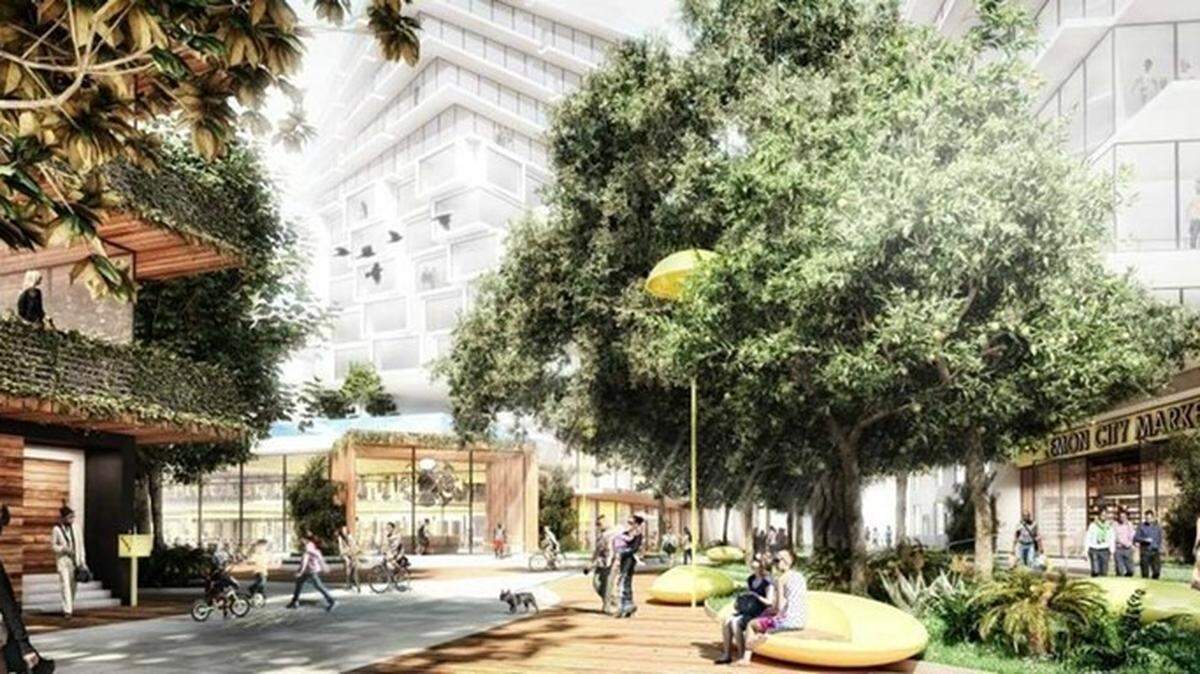
The Magic City Special Area Plan application, seeking to upzone a 17.75 acre plot in Little Haiti, is going before the City Commission for first reading on Thursday. It was deferred from the Sept. 27 meeting in the hopes that the applicants, MCD Miami, LLC, would take the time to meet with the community as a whole and come to a consensus as to what benefits to prioritize in exchange for the tremendous development potential we’d be granting to them in the shape of density and height bonuses.
Instead, more people are beginning to question the authenticity of MCD Miami’s promises to the community, which has not convened a true public meeting. What should be a public dialogue is turning into an environment of mistrust, division and loss in our community.
We need to do better. We must be included meaningfully in the shaping of these projects and be able to benefit from the wonderful things promised.
We cannot turn a blind eye towards the longtime residents who worked so hard to buy their homes in Little Haiti, a majority black and immigrant community with a strong cultural and small-business ecosystem. A failure to account for this fact runs afoul of the city’s federal obligations to further fair housing and ensure that residents in communities of color have access to opportunities where they currently reside.
Until 2015, the property in question contained the Magic City Trailer Park, home to families for 86 years.
The sheer scale and density of the Magic City project are staggering and out of scale with the surrounding neighborhood. This development is not being built for Miami residents, much less current Little Haiti residents. Magic City’s own economic impact analysis assumes that more than “half of the tenants within Magic City Innovation District will relocate from outside of the city.”
The developer purports to be targeting households with incomes between $55,000-$75,000. However, median household income for the city is $31,600, and $24,800 for the Little Haiti area.
While the current community is 73.4 percent black, black households are underrepresented in the income brackets that the developer is targeting.
Failure to take these demographics into account will inevitably lead to a divestment of the Haitian-American community from its cultural home. This would represent a loss not only to residents of the neighborhood, but do irrevocable harm to the fabric and identity of Miami as a whole.
We need to ensure that we can take care of those most vulnerable in our community. There are several policy changes that would address root causes. But there also is a lot we can achieve through negotiating for solid community benefits.
These benefits would not be charitable giveaways. Rather, they would serve as a trade-off for the surrounding community that will need to live with the consequences of dense, large-scale, development – traffic, displacement because of rising rents and land prices, noise, and more.
For example, the Los Angeles Staples Center participated in formal negotiations with a team of over 30 community-based organizations, agreeing to provide affordable housing and living wages and to hire locals.
In New York City, the Kingsbridge Armory agreement was strong on local hiring and living-wage requirements, with the community in complete control over how to distribute monies in a developer-contributed fund, and formal structures for community-based oversight and enforcement of CBA commitments.
The city of Miami can and should work with the community to demand equitable contributions for the enormous costs the surrounding neighborhoods will pay for the developers to build this $1.5 billion project.
Little Haiti will not survive without it.
Meena Jagannath works with Community Justice Project. Marleine Bastien is with the Family Action Network Movement.