
A citizenship question on the Census could come at a huge cost for South Florida
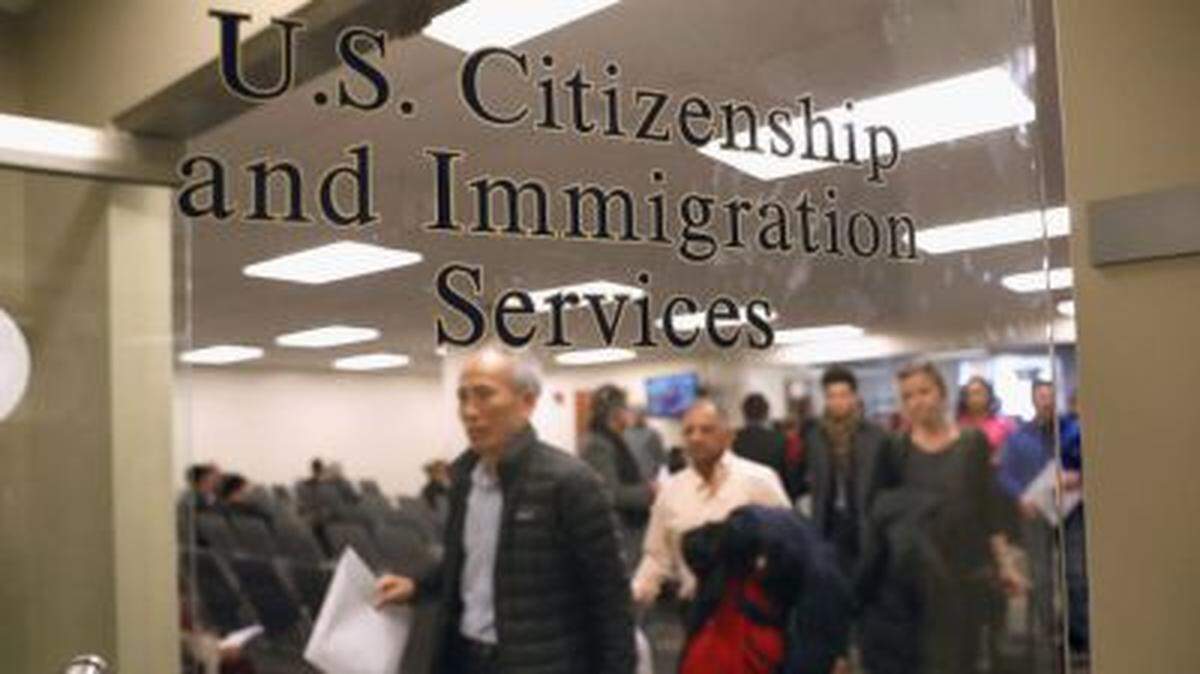
A federal trial now under way in New York, and any ensuing appeal, will determine whether it is permissible to include a question about citizenship status on the decennial census. The answer will likely have a significant impact on Florida residents, and those in Miami-Dade County.
A question on citizenship will discourage some noncitizens, both legal resident aliens and individuals without legal status, from participating in the census, out of fear of disclosing to the government that they are not citizens. That, in turn, will mean that states such as Florida, with noncitizens who are not counted in the census, will likely receive fewer seats in the U.S. House of Representatives and fewer votes in the Electoral College, both of which are allocated on the basis of total population. Florida and similar states also will receive fewer federal dollars, billions of which are distributed among different states based on total population.
Unlike the effect on federal electoral issues, the impact of the court’s ruling on state and local legislative districts has garnered scant attention. By constitutional mandate, congressional districts are based on total population. Section 2 of the 14th Amendment to the U.S. Constitution states: “Representatives shall be apportioned among the several states according to their respective numbers, counting the whole number of persons in each state, excluding Indians not taxed.” But the Constitution does not specify who has to be counted when drawing state and local districts.
The U.S. Supreme Court has not resolved that question. It was raised in a 2016 Supreme Court case, Evenwel v. Abbott. Justice Ruth Bader Ginsburg, writing for the court, described the case this way: “Texas, like all other States, draws its legislative districts on the basis of total population. Plaintiffs-appellants are Texas voters; they challenge this uniform method of districting on the ground that it produces unequal districts when measured by voter-eligible population. Voter-eligible population, not total population, they urge, must be used to ensure that their votes will not be devalued in relation to citizens’ votes in other districts.”
The court held that it was permissible to draw districts to equalize total population, even if that meant significant discrepancies in the number of eligible voters in each district. The court ducked a related question: whether it was also permissible to draw district to equalize the number of eligible voters or citizens, even if that meant there would be a significant divergence in the total population of the various districts. Justice Clarence Thomas would have held that it was generally permissible to draw districts to equalize eligible voters. The other justices declined to reach that issue. Justices Neil Gorsuch and Brett Kavanaugh were not yet on the court.
Whether states may draw local district lines to equalize the number of citizens (or another measure such as voting age citizens or registered voters) has weighty consequences. In Miami-Dade County nearly 25 percent of the residents are not citizens, while in some rural areas of Florida, such as parts of the Panhandle, 95 percent or more of the residents are citizens. Thus, drawing state legislative district to equalize the citizenship population would shift legislative seats and, with them, political power away from Miami-Dade County (and to a less extent away from other large urban counties such Broward, Palm Beach and Orange) and toward rural areas of the state.
One practical reason states have not drawn districts to equalize citizenship population is that the census data on the total population is more reliable than data on the citizen population. Depending on the ultimate results of the pending trial that might no longer be the case after the 2020 census, and politicians whose power would be entrenched through drawing districts to equalize the number of citizens (or voters) will be tempted to do so. For Miami-Dade, Broward and Palm Beach counties that could mean that 450,000 undocumented immigrants are excluded from the basis for drawing state legislative districts, making them even more invisible.
Carl Goldfarb is an attorney who lives in Miami.