
Address the mental-health needs of young girls who have survived traumatic events
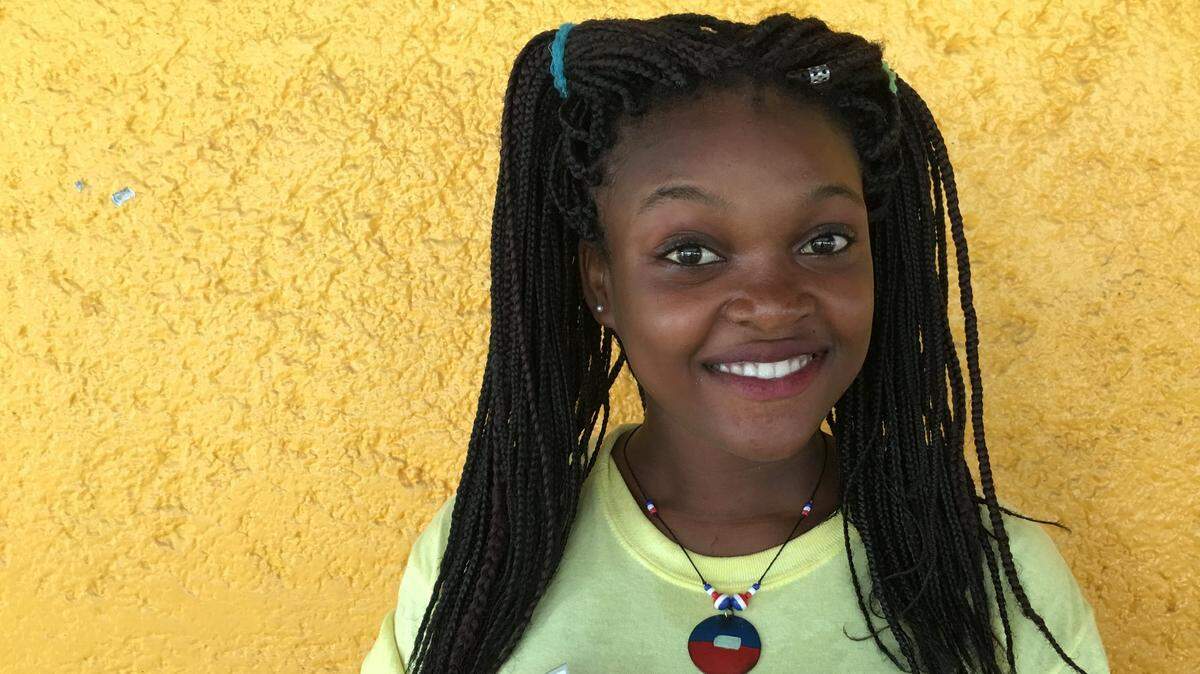
“The earthquake badly hurt my community, my family and me. From my collapsing house, I ended up with a broken leg and scars everywhere including in my head.”
Mina, 10, was one of the many girls I met after the 2010 earthquake when returning to my country, Haiti. The earthquake was followed by a cholera epidemic caused by the U.N. peacekeeping mission, and Hurricane Matthew in 2016. These disasters produced widespread destruction, injuries, loss of lives and a sense of helplessness and hopelessness as citizens lost their safety nets.
Disaster after disaster, along with structural violence such as gender inequalities and poverty, severely affected the Haitian population’s mental health. I saw a similar collective trauma in Rwanda where I worked for Partners in Health over the course of 10 years. The 1994 genocide decimated the small central African country, and 11 percent of its population was killed. The consequences on children were beyond measure. Many had watched their parents and family members slaughtered; others were tortured, forced to commit atrocities or were victims of physical and sexual abuse. As the remembrance period approached every April, the girls of our program, who were now becoming adults, described horrific nights filled with the horrors they witnessed but could not comprehend as children. They had no support addressing the trauma they endured.
After disastrous events, young people’s needs, particularly those of adolescent girls, are overlooked by traditional relief efforts. In such situations, youths are traumatized and ripped from their living environment, their schools, their family structures, and their social networks. They face high levels of psychological distress and cannot access adequate help. A 2016 UNFPA report confirms that, “Disaster and conflict can derail the future of young people and exacerbate their vulnerability.” Adolescent youth, particularly girls, need tailored programs that address problems resulting from traumatic disasters such as dropping out of school, gender-based violence, sexual exploitation and abuse, unwanted pregnancies, HIV infection, the lack of hygiene and sanitation, etc.
Most important, it is critical to meet the mental health needs of disaster survivors. Adolescents’ mental well-being dictates their personal growth, development and academic success. Despite this, the mental health needs of youth, whether in school or out of school youth are neglected. Haiti, in particular, lacks a functional public mental healthcare system. Confronting these widespread challenges requires a different approach.
The Women and Girls Initiative’s (WGI) Leadership Development and Health Programming responds to the psychosocial and mental health needs of Rwandan and Haitian girls through the annual Summer Leadership Academy. Although counseling and psychosocial support have been a strong facet of our services during the past eight years, during the yearly summer leadership forum, we have deepened our commitment to the mental well-being of our girls. For the past two years, leadership training has been fused with psychological interventions using art and theater as a vehicle to address gender issues and post-disaster trauma.
A safe space, along with activities that use a performing arts-based therapeutic methodology facilitated by psychosocial experts, help the participants work through the ongoing trauma and stress they have experienced in the aftermath of major disasters. Through drawings, poetry, dance and theater sessions, the girls abstractly identify and name their psychological distress, such as pervasive gender discrimination and abuse, violence, personal and family-related trauma, death, dangerous living environments, socio-economic hardships, mental health disorders, abject poverty, etc.
By introducing the Theatre Forum method developed by Brazilian activist Augusto Boal — a type of theatre largely used as a tool for social change — participants are taught how to use theater to channel their emotions and address trauma by depicting them in plays. The participants are equipped with tools and techniques that build self-awareness and ahow them how to manage their emotions and feelings by developing ways to strengthen confidence.
Mina, now 18 and a senior high school student, speaks openly about her journey: “The theater, drawing and dance sessions helped me release the pain and emotions that were buried inside me. By sharing my feelings with others, I felt liberated.”
Didi Bertrand-Farmer is co-founder and president of Women and Girls Initiative (WGI), an empowerment program for adolescent girls under the international organization Partners In Health.