
Will Amazon be Opa-locka’s prince or just another frog?
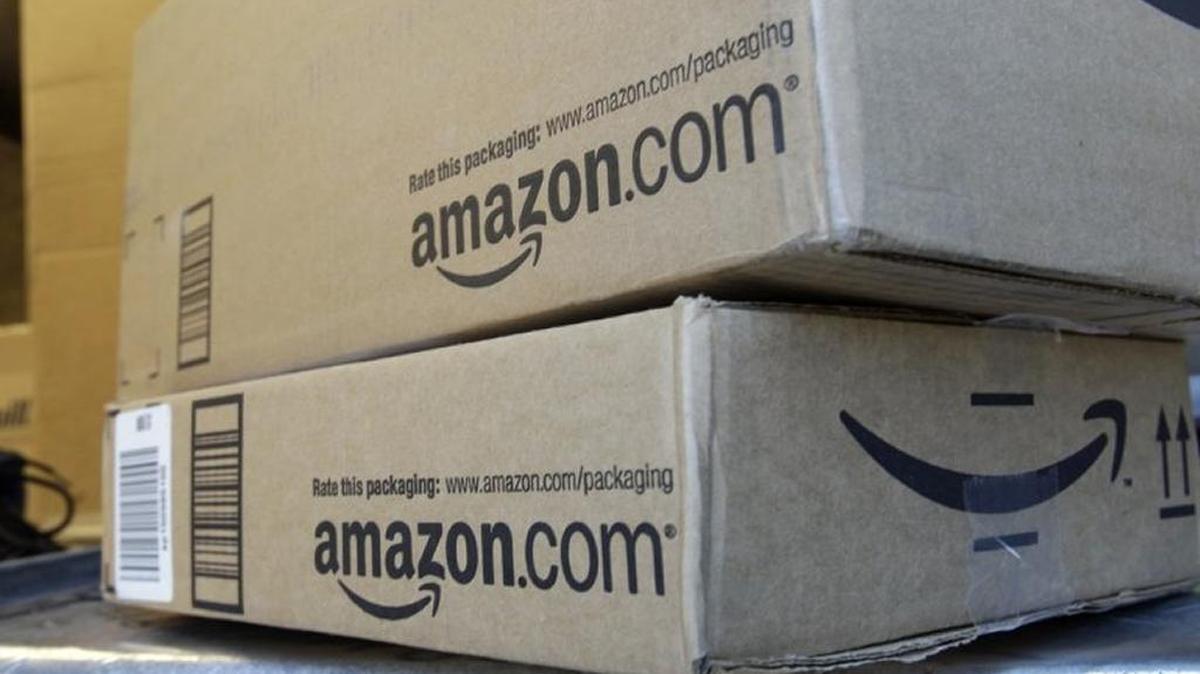
Amazon’s intention to open a its first South Florida mega distribution center in Opa-locka’s back yard has many of its new neighbors wondering what it will mean for the residents of the beleaguered Zip code 33054. So far, the anticipated opening of retail giant Amazon is wrapped in a nice package, boasting the promise of 1,000 jobs with appealing benefits in a tax-subsidized deal brokered by the Carrie Meek Foundation and blessed by the county’s mayor and the County Commission.
Amazon is expected to pay Miami-Dade County $1.8 million a year in rent. The Meek Foundation has pledged to use proceeds from the development — including $3 million now — to boost the local community. That’s a lot of money potentially infused into Opa-locka and a much-needed economic boost. The thoughtful steps Amazon is taking and its genuine interest in its partners in the community are encouraging.
It has all the makings of a fairy-tale ending: Will this knight in shining armor slay the dragons of high unemployment rates, lack of stable, reliable jobs, and community plight?
There are many reasons to be optimistic. Amazon has shown that it can be beneficial to a local community’s economic ecosystem. For example, when it opened a 1 million square foot fulfillment center in Spartanburg, South Carolina, it pumped $50 million into the small town and created 400 new jobs. That’s the upside.
The downside — as there always is with deals such as these — is what effects Amazon’s presence can have on nearby retail and long-term work force development. A report by Institute for Local Self-Reliance (ILSR), which campaigns for sustainable local economies, estimates that Amazon has eliminated 149,000 more jobs in retail than it has created through its warehouses, and that it’s undermining long-standing norms in employing workers. According to the report, many of the workers in Amazon warehouses are subcontracted temporary workers, whom the company calls “seasonal,” but are, in many cases, year-round “permatemps.”
Whether the company wants the responsibility or not, Amazon is in a unique position and — in partnership with the local community — has a rare opportunity to leverage this investment to fast-track significant positive change. The jobs alone can seriously lower poverty in our community. Poverty is deeper than people living paycheck to paycheck; rather, it is directly related to the variability of uncertain work and “here today, gone tomorrow” jobs that contribute to income instability. This affect adversely not only household consumption but general macroeconomic performance. Simply having stable, reliable jobs that offer health benefits sets the stage for families to begin to build sustainability for generations to come.
Even economic burdens related to transportation — finally emerging as an urgent priority in Miami-Dade — can be relieved by Amazon’s presence. Consider, residents being able to take advantage of jobs nearby, in their local community, decreases travel commute times, allowing workers to spend more time with family. Residents able to work in their community also decreases the hidden costs that families bear, such as vehicle wear and tear, high insurance rates, gas and tolls. For hourly employees, gas, tolls, and even minor vehicle repairs force them to sacrifice elsewhere, and then the whole family loses.
Amazon could be the key to rebuilding Opa-locka’s resiliency in many ways. The retail giant is developing a commercial venture on land that has been longing for progress since the 1980s. The potential to remake the Opa-locka Airport and the surrounding industrial district is greater today than any time in decades. Amazon’s presence signals the area’s growth and potential. Its global appeal and reputation can open the floodgates for economic stimulation in Opa-locka by tacitly giving other companies the signal to follow suit.
If Amazon is to fulfill the potential it has for sea change in Opa-locka, it must make a true investment in:
▪ Training programs for residents in the local community;
▪ Hiring local residents for long work endeavors that are matched with benefit plans to include health and medical;
▪ Putting revenue and intellectual capital back into the local community through grants, partnerships, and supporting local businesses;
▪ Maintaining an open and honest dialogue with community stakeholders that lends itself to transparency about Amazon’s business practices.
▪ Using its considerable corporate muscle to advocate for the collective economic development of the surrounding community.
If Amazon commits to this approach, Opa-locka will indeed see brighter days. Our community must also extend its hand to work alongside Amazon rather than demanding a handout. Real change only comes in partnership, and that goes both ways.
So, what say Amazon — is it a prince or just another frog? Only time will tell how this story will end.
Willie Logan is president & CEO of the Opa-locka Community Development Corporation.
This story was originally published August 22, 2017 at 3:31 PM with the headline "Will Amazon be Opa-locka’s prince or just another frog?."