
Fixing Central America
Among the most ambitious bullet items in President Barack Obama’s $4-trillion federal budget is a $1-billion appropriation he hopes will curb illegal immigration to the United States from three Central American countries.
Thousands of those undocumented immigrants — many of them minors — have ended up in South Florida, at a hefty cost to Miami-Dade and the state.
According to the State Department, the president seeks the significant financial help for the governments of Guatemala, El Salvador and Honduras as encouragement for them to implement reforms to address the lack of economic opportunities and resources for their citizens and also cut into the high level of violence that devastates that region.
In other words, throw money at the root problems. If citizens can prosper in their own country, there is no need to try to cross the border to the United States. A simple socioeconomic solution.
If approved, the billion dollars will be used for three basic purposes: to promote prosperity and regional economic integration; to enhance security; and to promote better governance.
“Our goal is to partner with our neighbors in Central America to mitigate these underlying factors before their youth risk the dangerous journey north and arrive at our border,” a State Department spokesperson said at a budget briefing.
Mr. Obama’s “let’s fix Central America” budget item is a response to the immigration crisis last year, when more than 51,000 minors, many from the three Central American countries targeted, were taken into custody while crossing the Mexico-U.S. border.
The massive exodus of youths garnered national front-page headlines and caught the U.S. government by surprise, although for years immigration authorities had noted an increase in the number of unaccompanied children crossing the border.
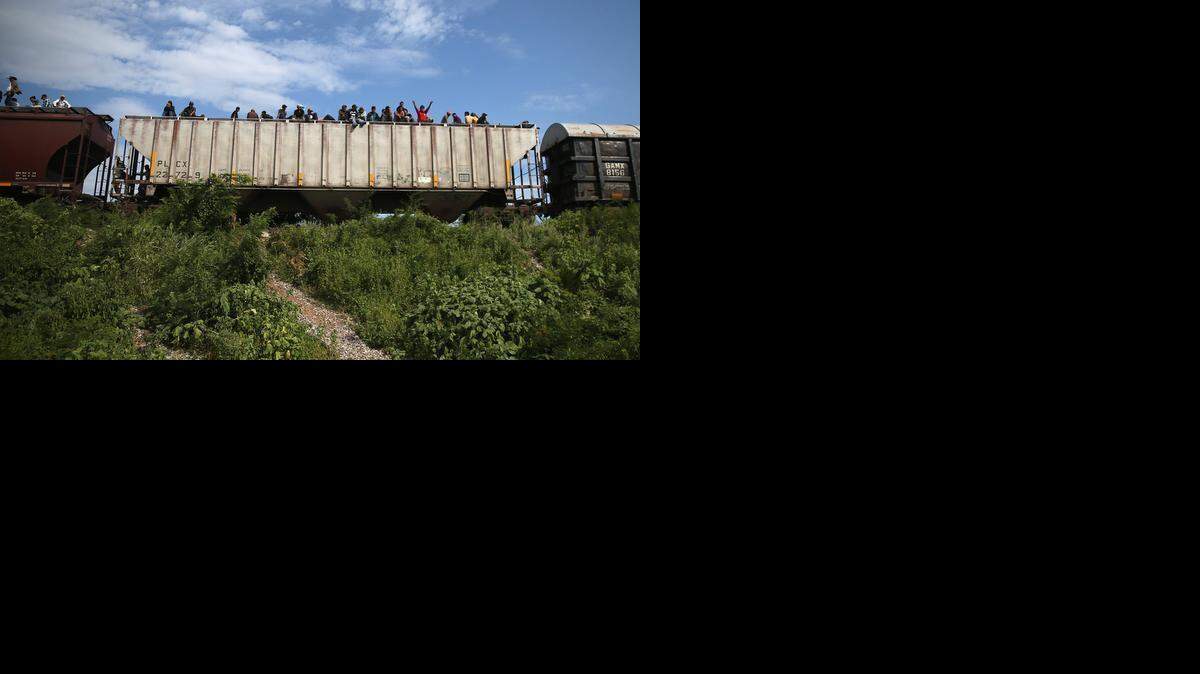
Suddenly, authorities had to direct a huge amount of funding to address what President Obama called an instant “humanitarian crisis.” The droves crossing over by a train system dubbed The Beast and on foot filled border shelters to capacity.
Controlling our immigration problem from that region by addressing the causes that lead to it is a smart, forward-thinking move by the administration. Why do nothing, wait for the next crisis to occur, then take action?
Promoting social and economic development in Central America and helping reduce the violence there is less expensive than paying to handle the impact of the steady exodus of hundreds of thousands of people headed north.
But if the budget proposal gets the green light from Congress, and it should, the United States must establish monitoring mechanisms to ensure that the funds reach their intended targets. And after decades of failure, that is easier said than done.
The success of President Obama’s proposal depends not only on the amount of money allocated; it is incumbent upon the Central American governments to maintain their political and economic commitments to use the funding to achieve positive change. It should not fall into the hands of corrupt politicians — again, easier said than done.
In the past, that has happened way too many times. Preventing this hijacking of U.S. funds is imperative for the success of such a grandiose plan.
The proposal represents a decisive step to resolve at its source a crisis that affects us all. It is an opportunity not to be wasted.
This story was originally published February 4, 2015 at 6:03 PM with the headline "Fixing Central America."