
Stick to the mission
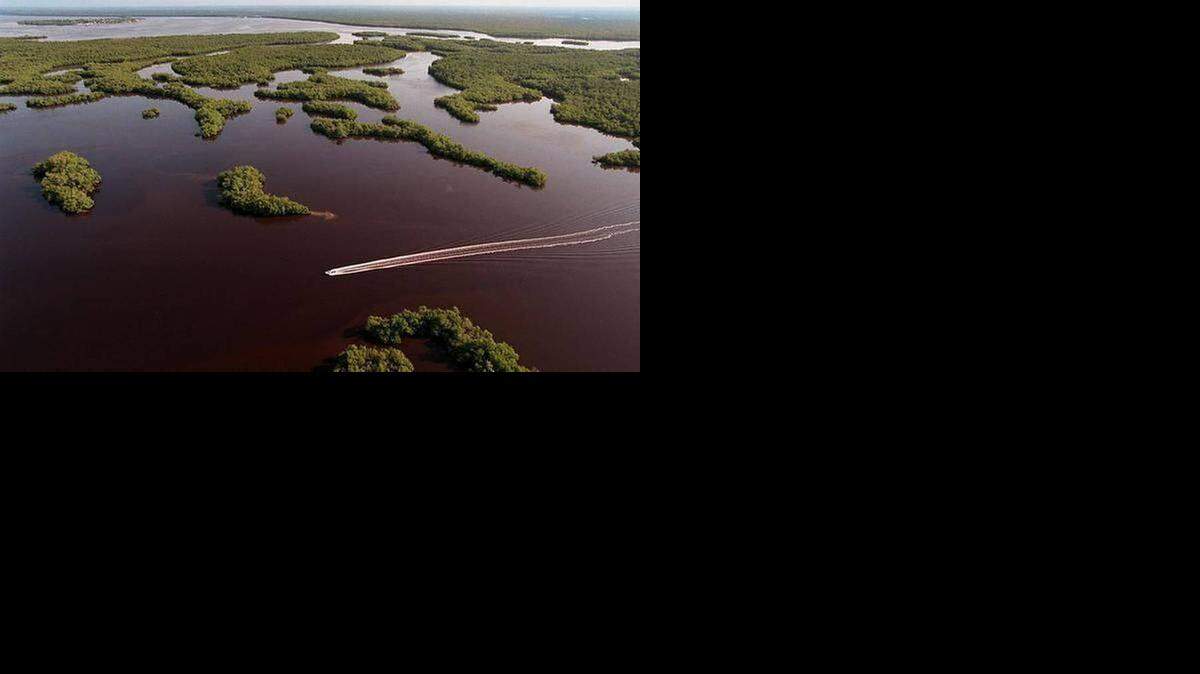
Back in November, 75 percent of Florida voters approved Amendment 1, the statewide environmental-conservation funding measure. The support was obviously a mandate for the spirit of the amendment, which proved to be the only successful one on the ballot.
Guaranteeing the conservation of Florida’s natural environment is a crucial issue for residents and the state’s largest industries — tourism and agriculture.
Amendment 1 comes with a savvy source of funds. It requires that “no less than 33 percent” of net revenue from the existing documentary-stamp tax on real-estate transactions be spent on conservation. That comes to about $10 billion over the amendment’s 20-year life. Nice.
What’s not so nice, however, is that Florida’s legislative session is looming, and there already is some indication that lawmakers are prepared to have their way with how these funds are allocated — the wrong way.
A little history: The genesis of the amendment — the Water and Land Conservation Amendment — came during the economic downturn. Legislators diverted Florida Forever funds meant to acquire and preserve land.
The Trust for Public Land led the charge to guarantee conservation money remained intact. It helped craft the amendment and is playing a leadership role in monitoring how it is dispersed.
Amendment 1 is wide ranging and enables the Land Acquisition Trust Fund to “acquire, restore, improve and manage conservation lands, including wetlands and forests; fish and wildlife habitat; lands protecting water resources and drinking water sources … beaches and shores; outdoor recreational lands; working farms and ranches; and historic or geologic sites.”
The Florida Association of Counties told the Editorial Board that it has a mandate to make sure the money is spent equally for land acquisition and water conservation, in urban and rural areas, both inland and coastal.
“We want a balanced distribution of the Amendment 1 funds,” said Grover Robinson, FAC president.
Some counties want beach restoration to be the No. 1 priority for Amendment 1 money; other counties want money for the preservation of springs and estuaries.
Raymond Christman, senior vice president for the Trust for Public Land told the Editorial Board that making sure amendment funding doesn’t become a shell game is imperative, but it’s too early to know what the Legislature will do.
“The real challenge is not the environmental groups fighting for money, but seeing that the governor and the Legislature approve the appropriations in the spirit of the amendment,” Mr. Christman said.
New Florida Senate President Andy Gardiner and House Speaker Steve Crisafulli said this week that they have a five-point joint “work plan” for the 2015 legislative session that includes developing a statewide policy for water and natural resources.
Mr. Christman said his organization has two principles guiding how Amendment 1 money should be spent: First, money allocated must represent enhanced funding, not money to replacing existing funds. TPL is right to be concerned. Florida already has set a bad precedent in using Lottery funds to replace education funds, not enhance them as originally promised.
Second, funds must be directed to the state’s high-priority environmental needs.
Amendment 1 was created to do one thing: preserve Florida’s natural resources. But with millions of new dollars at lawmakers’ disposal, voters must stand vigilante against legislative pickpocketing.
This story was originally published January 29, 2015 at 8:41 PM with the headline "Stick to the mission."