
Correcting Corrections
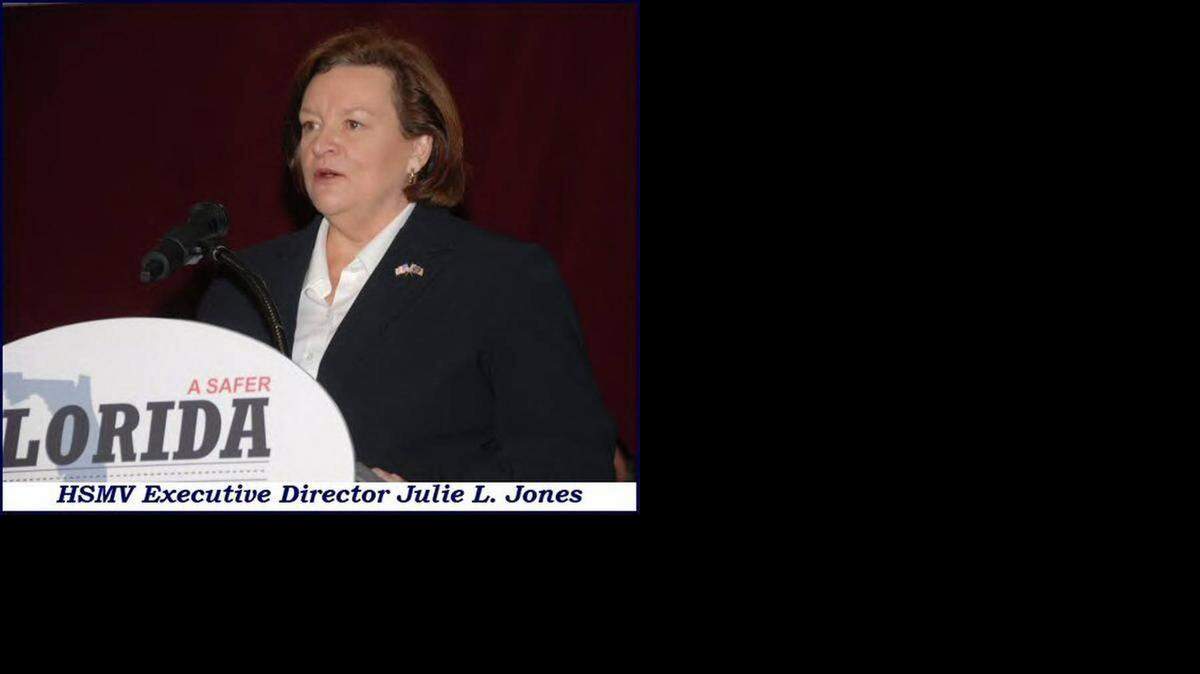
Let’s pick up where we left off: On Jan 25, the Editorial Board pointed out that Gov. Rick Scott and state lawmakers already “have gladly paid millions upon millions to maintain substandard, murderous conditions in Florida’s prisons.” We asked, “Can they really think Ms. [Julie] Jones’ budget request is too much to turn that around?”
There are now signs that both Mr. Scott and legislators are ready to take a large, and overdue, step in the only direction that responsible elected officials can go. In the proposed budget he released Wednesday, Mr. Scott includes slightly more than $51 million in new spending to help bring the prison system out of the Dark Ages where inmates have died suspiciously, deaths have been covered up and medical care for sick and mentally ill prisoners is doled out inconsistently, if at all.
In addition, the state Senate Criminal Justice Committee next week will consider legislation to tackle a prison culture that is abusive, at best, and deadly, at worst.
Lawmakers have their work cut out for them. So does Ms. Jones, recently appointed director of the Department of Corrections. In a conversation with the Editorial Board on Wednesday, Ms. Jones gave a breakdown of some of her budget requests in the governor’s budget:
▪ $16.5 million to fill the 2,000 vacant positions that have severely undercut DOC’s ability to inject the integrity and discipline needed to keep safe both inmates and corrections officers doing a difficult job. Her predecessor had asked for $37 million. However, Ms. Jones realized, wisely, that $22 million of that would have paid for overtime. Her $16.5 million will allow the agency to fill every “core critical” position and jump-start support programs such as drug treatment, education.
▪ $2.4 million for residential mental-health and substance abuse treatment, to enhance federal funding that will add 100 treatment beds. Ms. Jones is also pushing for “co-occurring” treatment, especially for women who enter prison with drug and alcohol addictions, fueled by mental-health and abuse issues. This smart investment can reduce recidivism.
It was heartening to hear that Ms. Jones is also planning a pilot project in four counties, yet to be selected. Inmates, upon release, can get up to nine months of mental-health treatment, therapy and supportive housing. Mr. Scott put her $2.5 million request in the budget. Given that Miami-Dade County is likely to have more mentally ill people released from prison than other counties, we urge Ms. Jones to make it one of the four pilot counties.
All this is to the good. But when Ms. Jones addresses the Senate Criminal Justice Committee on Monday, she should put squarely on the table serious issues that are still missing from the conversation about improving prison culture.
First, she inherited several investigations, including the stalled probe into Darren Rainey’s hot-shower death in Dade Correctional Institution. There have been no new revenues proposed to get to the bottom of any of the suspicious deaths across the state, leaving the horrifying impression that no one except grieving families wants to bring culpable corrections officers and their bosses to justice.
Second, it’s time to do a deep dive into the role private prisons play in what’s wrong. They get to cherry-pick the least labor-intensive inmates and, according to Ms. Jones, aren’t under Department of Corrections supervision. Yes, the private companies have deep pockets come reelection time, but it’s time for lawmakers, not the industry, to write the rules.
This story was originally published January 28, 2015 at 7:51 PM with the headline "Correcting Corrections."