
Acquittal isn’t a surprise in Miami boat crash trial, but Pino shouldn’t celebrate | Opinion
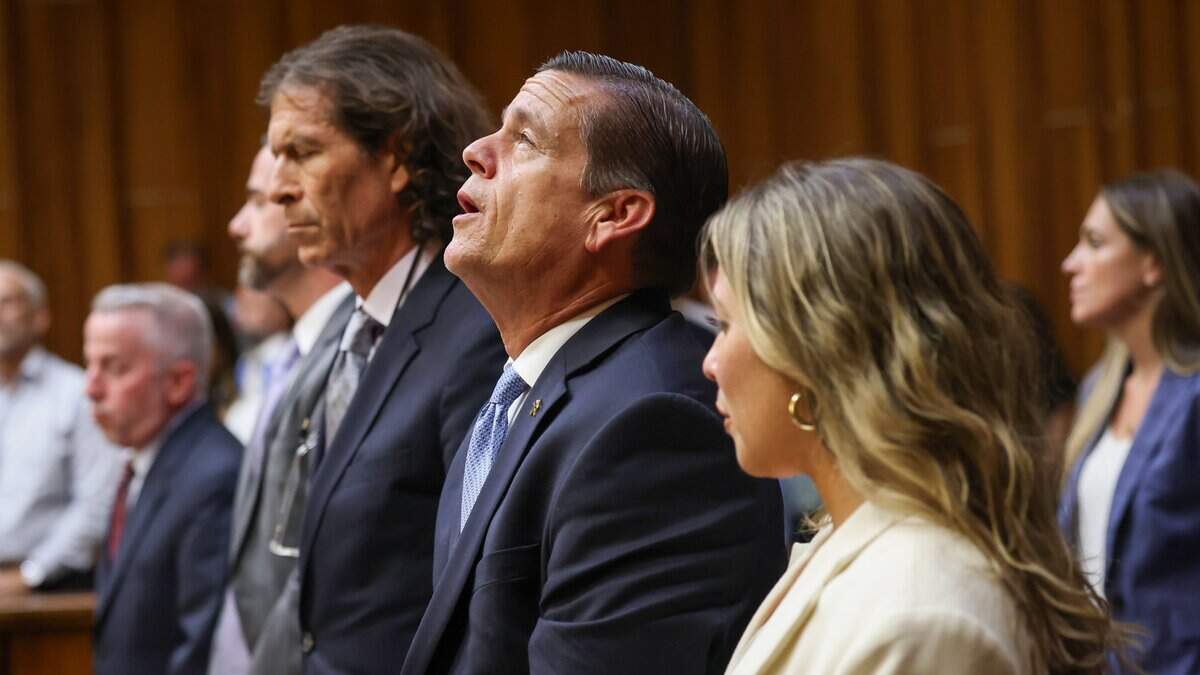
If you followed the trial of Doral real estate broker George Pino, his quick acquittal Monday night may not be a surprise. But it’s not a victory for the man who will be forever tied to a tragedy that shook Miami.
Pino faced felony charges in the 2022 boat crash that killed 17-year-old Luciana “Lucy” Fernandez and left Katerina “Katy” Puig, now 21, with life-altering disabilities. After an emotionally-charged trial, a six-person jury found him not guilty on charges of manslaughter and vessel homicide.
The verdict came quickly; jurors deliberated for just over an hour. Pino left the courtoom a free man. But no acquittal can erase the fact that he is still the person who was driving the boat in Biscayne Bay when it crashed into a steel channel marker on Labor Day four years ago. He will have to live with his connection to the death of a young woman and the devastating injuries of another. The Puig family sued Pino and his wife but no amount of money can undo the devastation of this crash.
The Miami trial wasn’t simply about involvement in the crash. It was about an alleged criminal act. Cases like these are tough to prosecute because it’s a fine line between a reckless act and an accident. The state had to prove its case beyond a reasonable doubt.
As Miami-Dade State Attorney Katherine Fernandez Rundle wrote in a statement after the verdict: “Our charging and prosecuting decisions in traffic and vessel collisions resulting in fatalities are always difficult ones.”
“I and my prosecutors have believed that the totality of George Pino’s actions on the waters of Biscayne Bay were reckless, and was a crime as defined in Florida’s criminal statutes,” she wrote.
Throughout the trial — covered in detail by Herald reporters Grethel Aguila and David Goodhue — Pino’s defense sought to create doubt about the prosecution’s case — and succeeded.
One of the key factors in the trial was that Pino spontaneously told a Wildlife Conservation Commission officer that another boat came at him, and its wake caused him to lose control of his 29-foot Robalo, crashing into the channel marker. He stuck to this narrative until the final weeks before he went to court, but no one saw the other boat and there was no photographic evidence to corroborate what prosecutors called “the phantom boat” theory. They accused Pino of lying about the cause of the crash.
A defense witness, though, testified that she had evaluated Pino and found he had a traumatic brain injury. Dr. Diana Barratt, a Boca Raton neurologist, said that may have led Pino to have false memories about the crash.
On that day, Pino was taking his wife, daughter and 11 of his daughter’s friends back to north Key Largo from an afternoon outing. The question of how much alcohol was consumed during the day was an important factor in the trial even though Pino was not charged with boating under the influence.
Several girls testified they drank during the outing despite being underage. The prosecution said Pino allowed alcohol to flow freely because he wanted to be the “cool dad,” the Herald reported. The defense contended Pino was not charged with an alcohol-related crime, and witnesses said he did not appear impaired after the crash.
Prosecutors initially charged Pino with three careless-boating misdemeanors but later upped those charges to felony vessel homicide and manslaughter. That was after the Herald published the series “Wrecked Justice” and raised questions about authorities’ handling of the crash investigation. The Florida Fish and Wildlife Conservation Commission did not interview key witnesses on the scene; the Herald did. And the FWC did not give Pino a blood-alcohol test after the crash.
Jurors had to determine whether Pino committed a crime — not whether he acted in reprehensible ways. Now he’s been acquitted, but that doesn’t mean the trial shouldn’t have happened. A courtroom isn’t just a place to bring charges; it’s also where people impacted by horrific events can tell their stories and where the facts of a case are aired out publicly as a community tries to heal.
As Fernandez Rundle wrote about the case, “there are no winners or losers. Mr. Pino must live with what he did, while the Fernandez and Puig families will grapple with the consequences of his actions.”
BEHIND THE STORY
MOREWhat's an editorial?
Editorials are opinion pieces that reflect the views of the Miami Herald Editorial Board, a group of opinion journalists that operates separately from the Miami Herald newsroom. Miami Herald Editorial Board members are: opinion editor Amy Driscoll and editorial writers Isadora Rangel and Mary Anna Mancuso. Read more by clicking the arrow in the upper right.
What's the difference between an op-ed and a column?
How does the Miami Herald Editorial Board decide what to write about?
The Editorial Board, made up of experienced opinion journalists, primarily addresses local and state issues that affect South Florida residents. Each board member has an area of focus, such as education, COVID or local government policy. Board members meet daily and bring up an array of topics for discussion. Once a topic is fully discussed, board members will further report the issue, interviewing stakeholders and others involved and affected, so that the board can present the most informed opinion possible. We strive to provide our community with thought leadership that advocates for policies and priorities that strengthen our communities. Our editorials promote social justice, fairness in economic, educational and social opportunities and an end to systemic racism and inequality. The Editorial Board is separate from the reporters and editors of the Miami Herald newsroom.
How can I contribute to the Miami Herald Opinion section?
The Editorial Board accepts op-ed submissions of 650-700 words from community members who want to argue a specific viewpoint or idea that is relevant to our area. You can email an op-ed submission to oped@miamiherald.com. We also accept 150-word letters to the editor from readers who want to offer their points of view on current issues. For more information on how to submit a letter, go here.
This story was originally published June 23, 2026 at 7:26 AM.