
Florida GOP canceled the debate, but the real story is why they did it | Opinion
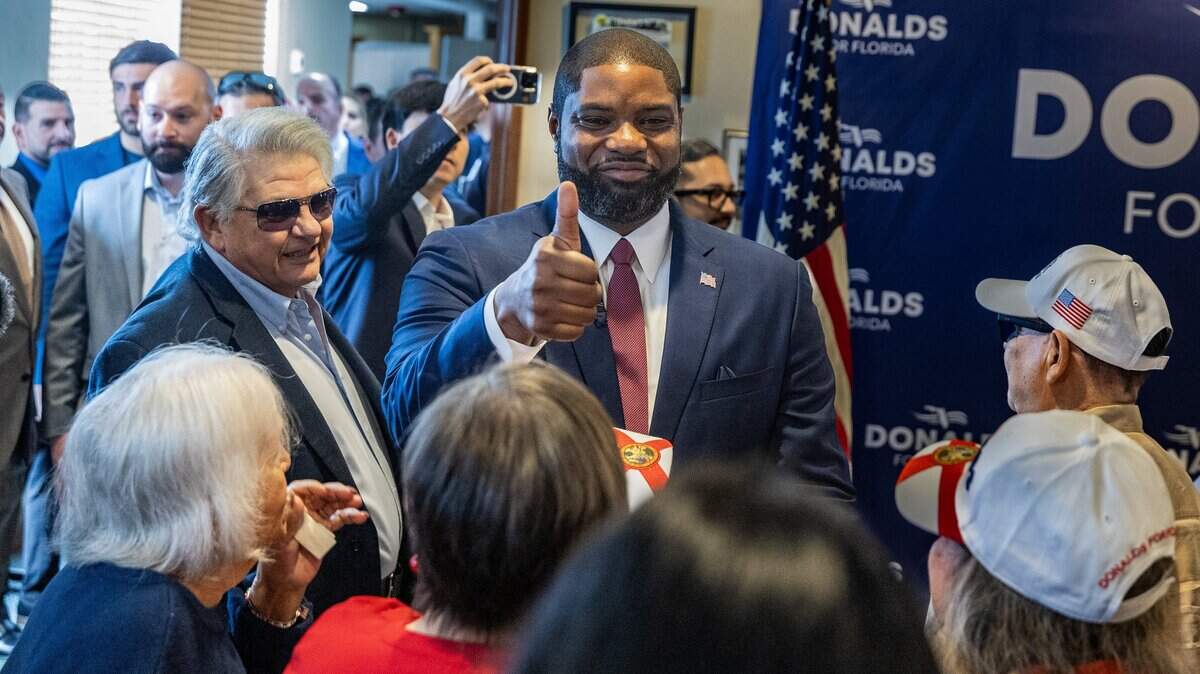
The Republican Party of Florida has cancelled its gubernatorial debate at the Sunshine State Showdown this weekend. Apparently, only U.S. Rep. Byron Donalds — the candidate backed by President Trump — qualified under its internal criteria for participation.
As upset as many members of the GOP have been about this — and there has been quite an outcry, especially from outgoing Gov. Ron DeSantis — the lack of a debate isn’t actually much of a loss for voters.
It was going to be a farce — not just because of the canned responses and well-rehearsed “zingers” but because the RPOF has, in effect, already decided the outcome of this primary.
Donalds is the nominee. No need to hold a debate.
At least, that’s certainly the impression the party is creating by releasing the criteria — that only Donalds can meet — after cancelling the debate.
Voters deserve better than this. There are three other high profile people in the Republican primary for governor who are struggling for name recognition: former Florida House Speaker Paul Renner of Palm Coast; Jay Collins, a former state senator from Tampa appointed by DeSantis as lieutenant governor last summer; and James Fishback, the controversial political activist.
Would a four-person debate have changed the trajectory of the race? Highly unlikely. Rarely do candidate debates push a candidate into winning territory. More often they pose an unnecessary risk for the frontrunner. That’s why party leaders would rather not see Donalds on the stage defending his record against fellow Republicans.
But protecting the frontrunner isn’t the job of the state party.
For decades, Republican gubernatorial primaries largely took care of themselves. Candidates campaigned, debated and made their case to voters. The party organized the election, not the outcome.
This election cycle is different. Republican leaders are letting Trump decide who gets to be the Republican candidate for governor. And Republican voters? Well, their choice is being made for them, too.
The Sunshine State Showdown will still go on, sort of. According to an RPOF memo obtained by the Miami Herald Editorial Board, the event will now feature a gubernatorial candidate forum where “Florida’s gubernatorial candidates will appear on stage throughout the day to share their ideas, records, and visions for advancing Florida’s success.”
A candidate forum isn’t a bad idea. It gives voters a chance to learn more about each candidate’s policy stances and visions for Florida without having to sift through the mudslinging and personal attacks that have come to define recent political debates.
But it’s not a debate. It doesn’t give any of the candidates the chance to defend their records or separate themselves from their opponents on the same stage.
It’s not that debates no longer matter. But by canceling the debate and unveiling the qualification standards only afterward, the GOP has signaled that, in its view, the primary was effectively over.
Maybe that’s because Byron Donalds is the strongest candidate. Maybe he was always going to win. But deciding the nominee is what voters are supposed to do. This year, on Aug. 18, Republican voters will pick their candidate — no debate necessary.
BEHIND THE STORY
MOREWhat's an editorial?
Editorials are opinion pieces that reflect the views of the Miami Herald Editorial Board, a group of opinion journalists that operates separately from the Miami Herald newsroom. Miami Herald Editorial Board members are: opinion editor Amy Driscoll and editorial writers Isadora Rangel and Mary Anna Mancuso. Read more by clicking the arrow in the upper right.
What's the difference between an op-ed and a column?
How does the Miami Herald Editorial Board decide what to write about?
The Editorial Board, made up of experienced opinion journalists, primarily addresses local and state issues that affect South Florida residents. Each board member has an area of focus, such as education, COVID or local government policy. Board members meet daily and bring up an array of topics for discussion. Once a topic is fully discussed, board members will further report the issue, interviewing stakeholders and others involved and affected, so that the board can present the most informed opinion possible. We strive to provide our community with thought leadership that advocates for policies and priorities that strengthen our communities. Our editorials promote social justice, fairness in economic, educational and social opportunities and an end to systemic racism and inequality. The Editorial Board is separate from the reporters and editors of the Miami Herald newsroom.
How can I contribute to the Miami Herald Opinion section?
The Editorial Board accepts op-ed submissions of 650-700 words from community members who want to argue a specific viewpoint or idea that is relevant to our area. You can email an op-ed submission to oped@miamiherald.com. We also accept 150-word letters to the editor from readers who want to offer their points of view on current issues. For more information on how to submit a letter, go here.