
Miami-Dade election: Dozens reelected automatically leave voters on sidelines | Opinion
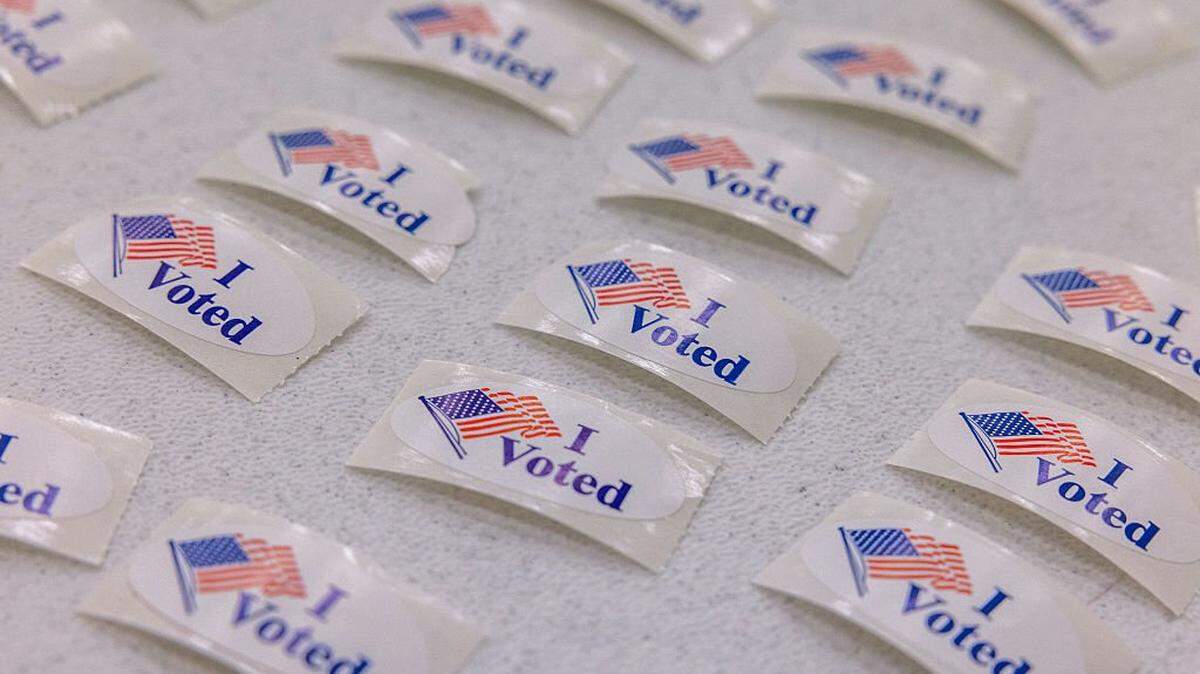
Dozens of Miami-Dade County elected officials will bypass voters in the August primaries. Running unopposed, they have already won reelection without a single vote being cast or having to convince constituents they deserve reelection.
They are fortunate. The voters, not so much.
As the Herald reported, one newcomer and four current Miami-Dade commissioners secured their seats on Tuesday because no one filed to run against them by a noon deadline. They make up roughly one-third of a commission that controls a $13 billion budget in Florida’s largest county.
Add those five commissioners to the majority of Miami-Dade judges who also won reelection unopposed earlier this year. Only three judges in county and circuit courts were challenged — 38 others were automatically reelected. There are three open seats on the Aug. 18 ballot.
This is the product, in most cases, of a system that rewards incumbents with large campaign finance accounts.
On the county commission, the automatically reelected incumbents were Anthony Rodriguez, who serves as the powerful commission chair; Juan Carlos Bermudez; Natalie Milian Orbis; and Micky Steinberg.
Steve Gallon III, a school board member, also won a seat on the county commission because he was the only person to file for an open seat. Like Gallon, Milian Orbis and Steinberg never had to run actual campaigns for a seat on the commission — Milian Orbis was appointed last year and Steinberg ran unopposed in 2022. Three sitting commissioners in Districts 2, 5 and 8 face challengers.
With judicial races, uncontested elections historically have been the norm. Once judges win their first election, or are appointed by the governor to fill a vacancy, most have won a career-long job. Incumbents make sure they raise large sums of money and hire the best judicial elections consultants to scare away competition. Some incumbent Miami-Dade County court judges raised upwards of $200,000 this year — to run against no one.
No doubt, having more than 40 contested judicial races on the primary ballot would be impractical for voters and for the supervisor of elections. But a less-than-10% rate of local judges being challenged is probably not solely a reflection of the job they are doing on the bench.
Judges are among the most powerful elected officials in the state, making decisions that impact people’s lives directly. They preside over cases ranging from monetary disputes to child guardianship, divorces, misdemeanors and murders. A misstep from the bench can have far-reaching consequences for the people who appear before them. Asking judges to return to voters for reelection every six years creates accountability.
The Miami-Dade Commission, too, wields enormous power, from setting property tax rates to deciding whether to expand the Urban Development Boundary and allow more construction on farmland and on the edges of the Everglades.
That authority attracts a lot of influence — and campaign donations. For example, Rodriguez’s political committee, A Bolder Florida, has almost $4 million he could have used for his campaign or to support his political allies. As chair, Rodriguez is the most powerful member of the commission.
Challenging a well-funded and well-connected incumbent is hard — and a reflection of the influence of money in politics. The opponents who take on that task often lack money. But, at the very least, by having a challenger on the ballot, incumbents are forced to campaign and talk to voters.
That’s the bare minimum the people elected to represent us on the county commission and courts should be asked to do.
BEHIND THE STORY
MOREWhat's an editorial?
Editorials are opinion pieces that reflect the views of the Miami Herald Editorial Board, a group of opinion journalists that operates separately from the Miami Herald newsroom. Miami Herald Editorial Board members are: opinion editor Amy Driscoll and editorial writers Isadora Rangel and Mary Anna Mancuso. Read more by clicking the arrow in the upper right.
What's the difference between an op-ed and a column?
How does the Miami Herald Editorial Board decide what to write about?
The Editorial Board, made up of experienced opinion journalists, primarily addresses local and state issues that affect South Florida residents. Each board member has an area of focus, such as education, COVID or local government policy. Board members meet daily and bring up an array of topics for discussion. Once a topic is fully discussed, board members will further report the issue, interviewing stakeholders and others involved and affected, so that the board can present the most informed opinion possible. We strive to provide our community with thought leadership that advocates for policies and priorities that strengthen our communities. Our editorials promote social justice, fairness in economic, educational and social opportunities and an end to systemic racism and inequality. The Editorial Board is separate from the reporters and editors of the Miami Herald newsroom.
How can I contribute to the Miami Herald Opinion section?
The Editorial Board accepts op-ed submissions of 650-700 words from community members who want to argue a specific viewpoint or idea that is relevant to our area. You can email an op-ed submission to oped@miamiherald.com. We also accept 150-word letters to the editor from readers who want to offer their points of view on current issues. For more information on how to submit a letter, go here.