
Epstein looked at quake-devastated Haiti and saw only self-interest | Opinion
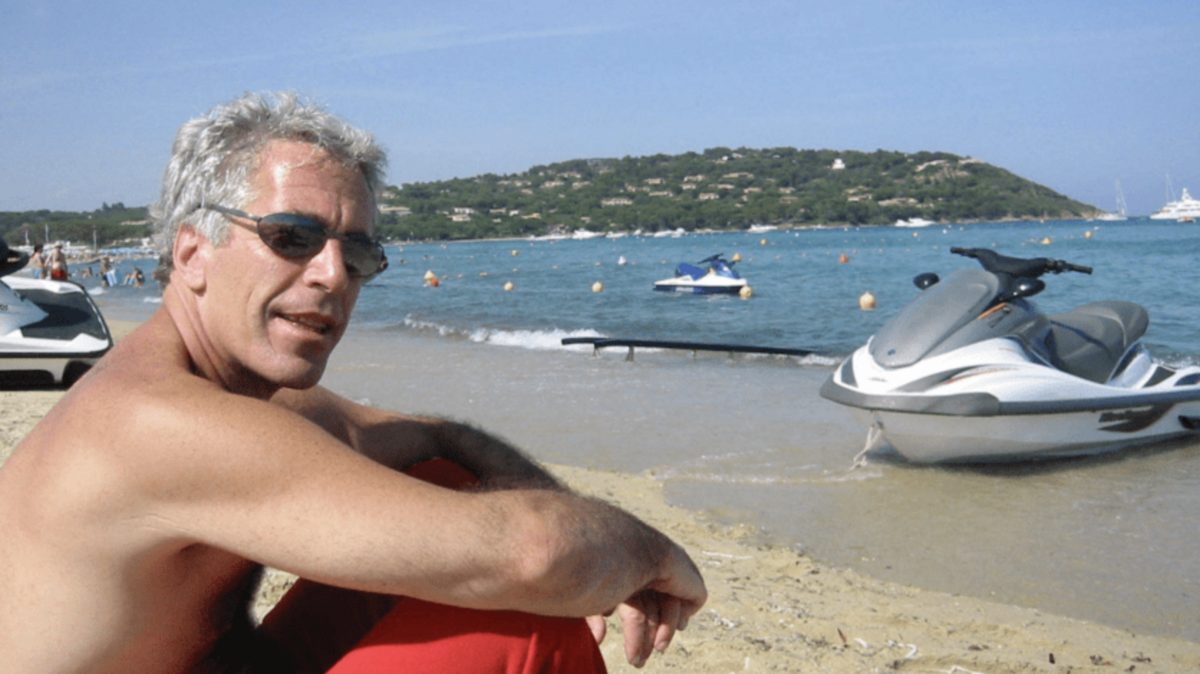
Just when you think you’ve heard every bad thing about Jeffrey Epstein, there’s a new low. As the Herald reported Tuesday, Epstein tried to use earthquake-devastated Haiti to help rehabilitate his image after his initial sentence for solicitation in Palm Beach County.
Haiti, he wrote in one email in 2011, was unstable, with Port-au-Prince in “squalor,” but the country “just might be a safe place to park money.” At the time, Haiti had been hit with a 7.0 quake that killed hundreds of thousands of people, displaced many more and nearly destroyed the capital of Port-au-Prince.
A media publicist helping the financier work his way back into society advised him to go “slow and quiet,” the Herald reported. Epstein provided a Gulfstream jet for humanitarian relief efforts — something the organizers in the U.S. Virgin Islands promised would result in good press, the Herald reported — and he also apparently bought a ticket for the publicist to attend actor Sean Penn’s Haiti benefit in Cannes for $5,000.
The last thing Haiti needed was an opportunist like Epstein exploiting its misfortune. It takes a deeply callous person to see widespread destruction from a natural disaster — especially at the level seen in Haiti after the earthquake — as an opportunity to remake your tarnished image.
When Epstein was making these efforts, he had just completed a 13-month sentence — a highly questionable and cushy deal he cut with prosecutors that allowed him to leave jail six days a week to “work” at his foundation’s office in West Palm Beach — after pleading guilty to soliciting prostitution in 2008. As a result of that case, he was also a registered sex offender.
It wouldn’t be until a decade later, in July 2019, when federal prosecutors in New York indicted him on charges of sex trafficking of minors and conspiracy to commit sex trafficking in New York and Florida between 2002 and 2005. The Herald’s Julie Brown, the investigative reporter whose Perversion of Justice series focusing on Epstein’s victims served as the catalyst to reopen the case against Epstein, received a special citation this year from The Pulitzer Prizes.
Epstein was found dead in a Manhattan detention facility in 2019, before he went to trial.
But the Epstein case lives on. It has dogged President Donald Trump, who says he cut off ties with Epstein years before his death and has not been charged with any misconduct relating to the late financier. House Democrats are continuing to investigate the Epstein case. And Trump fired Attorney General Pam Bondi, Florida’s former attorney general, in April, driven in part by the administration’s unhappiness over her handling of the Epstein files.
Haiti continues to struggle today, with the echoes of the earthquake still reverberating. Gang warfare, kidnappings, cholera and food insecurity are the dreadful rule of the day. Attacks on women and children reflect the reality of a state that is breaking down, even as the U.S. Congress unconscionably drags its feet in extending Temporary Protective Status to the 350,000 Haitians who live and work in the U.S.
More than a decade ago, Epstein called Haiti unstable. It still is, for reasons both manmade and quake related. But Epstein had a chance to do some good in a place that desperately needed it. Too bad he only saw an opportunity to exploit the pain and misery of others. Sadly, it’s completely on brand for Epstein.
BEHIND THE STORY
MOREWhat's an editorial?
Editorials are opinion pieces that reflect the views of the Miami Herald Editorial Board, a group of opinion journalists that operates separately from the Miami Herald newsroom. Miami Herald Editorial Board members are: opinion editor Amy Driscoll and editorial writers Isadora Rangel and Mary Anna Mancuso. Read more by clicking the arrow in the upper right.
What's the difference between an op-ed and a column?
How does the Miami Herald Editorial Board decide what to write about?
The Editorial Board, made up of experienced opinion journalists, primarily addresses local and state issues that affect South Florida residents. Each board member has an area of focus, such as education, COVID or local government policy. Board members meet daily and bring up an array of topics for discussion. Once a topic is fully discussed, board members will further report the issue, interviewing stakeholders and others involved and affected, so that the board can present the most informed opinion possible. We strive to provide our community with thought leadership that advocates for policies and priorities that strengthen our communities. Our editorials promote social justice, fairness in economic, educational and social opportunities and an end to systemic racism and inequality. The Editorial Board is separate from the reporters and editors of the Miami Herald newsroom.
How can I contribute to the Miami Herald Opinion section?
The Editorial Board accepts op-ed submissions of 650-700 words from community members who want to argue a specific viewpoint or idea that is relevant to our area. You can email an op-ed submission to oped@miamiherald.com. We also accept 150-word letters to the editor from readers who want to offer their points of view on current issues. For more information on how to submit a letter, go here.