
DOGE for thee, not for DeSantis: Who’s following $1 billion immigration bill? | Opinion
Where’s FAFO when you need it?
Remember FAFO? Last year, Florida’s recently-appointed Chief Financial Officer Blaise Ingoglia made a big splash with a new agency to DOGE and shame local governments for overspending tax dollars. Republicans got a big kick out of its acronym. It stands for the Florida Agency for Fiscal Oversight — but also “f--- around and find out.”
Florida taxpayers could use some FAFOing of the whopping $1 billion in contracts Gov. Ron DeSantis’ administration has signed in the past year for his immigration enforcement efforts, as the Herald reported Friday.
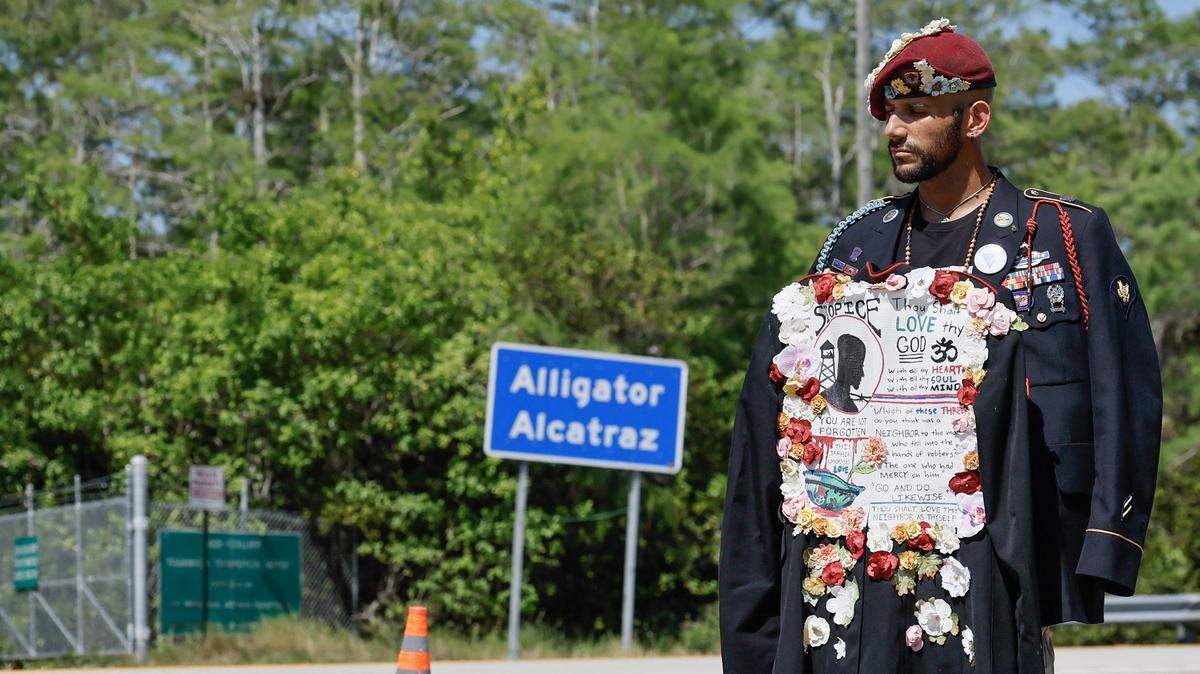
Most of those contracts were for building and maintaining Alligator Alcatraz, the tent-and-trailer immigration detention center DeSantis hastily built in the middle of the Everglades last year. The center is expected to be shuttered soon. The rest went to a facility in North Florida known as Deportation Depot.
That’s enough money to give every public school teacher in the state a $6,000 bonus, according to the Herald. Alligator Alcatraz cost as much as the response to three hurricanes between 2022 and 2024 cost the governor’s emergency fund.
The immigration enforcement money went to contractors, without a competitive bidding process, to help DeSantis look tough on immigration. The state hasn’t yet paid out most of the contracts, but how are your tax dollars projected to be spent?
The largest contract went to a company called Doodie Calls, which accounted for $219 million across the two state-run immigration detention facilities, the Herald reported. Those are your state dollars working hard to provide — portable toilets?
It’s no secret that building a detention center in the Everglades presented infrastructure challenges — crucially, what to do with human waste in this environmentally sensitive place. But we doubt many Floridians would agree that those costs are justified in a state facing an affordability and property insurance crisis.
DeSantis and the Republicans in charge of state government have made a big stink about what they describe as the lack of fiscal responsibility of cities and counties. They recently placed a measure on the November ballot to slash taxes for homesteaded properties. If voters approve it, local governments will lose part of the tax revenue that pays for public safety, libraries, infrastructure and other basic services.
Meanwhile, Florida is projected to face budget deficits in upcoming years. House and Senate leaders bragged about tightening spending in the state budget they just passed. At the same time, they have mostly turned a blind eye to DeSantis’ spending frenzy.
Florida has already spent at least $335 million to pay out some of those 55 contracts, the Herald reported. The money came from an emergency fund the Legislature created after the pandemic, which allows the governor to spend tax dollars with less oversight. Florida expects a $608 million federal reimbursement for its immigration enforcement efforts, but so far, it has received only $58 million, the Herald reported.
A $1 billion price tag should raise red flags for any conservative lawmaker or state CFO. If DeSantis didn’t have such a strong hold on Florida politics, we’re sure state auditors and legislative committees would have been aggressively asking questions about the governor’s spending. Alas, that’s not the Florida of today.
BEHIND THE STORY
MOREWhat's an editorial?
Editorials are opinion pieces that reflect the views of the Miami Herald Editorial Board, a group of opinion journalists that operates separately from the Miami Herald newsroom. Miami Herald Editorial Board members are: opinion editor Amy Driscoll and editorial writers Isadora Rangel and Mary Anna Mancuso. Read more by clicking the arrow in the upper right.
What's the difference between an op-ed and a column?
How does the Miami Herald Editorial Board decide what to write about?
The Editorial Board, made up of experienced opinion journalists, primarily addresses local and state issues that affect South Florida residents. Each board member has an area of focus, such as education, COVID or local government policy. Board members meet daily and bring up an array of topics for discussion. Once a topic is fully discussed, board members will further report the issue, interviewing stakeholders and others involved and affected, so that the board can present the most informed opinion possible. We strive to provide our community with thought leadership that advocates for policies and priorities that strengthen our communities. Our editorials promote social justice, fairness in economic, educational and social opportunities and an end to systemic racism and inequality. The Editorial Board is separate from the reporters and editors of the Miami Herald newsroom.
How can I contribute to the Miami Herald Opinion section?
The Editorial Board accepts op-ed submissions of 650-700 words from community members who want to argue a specific viewpoint or idea that is relevant to our area. You can email an op-ed submission to oped@miamiherald.com. We also accept 150-word letters to the editor from readers who want to offer their points of view on current issues. For more information on how to submit a letter, go here.
This story was originally published June 5, 2026 at 1:54 PM.