
Seven matches, $46 million: Will the World Cup deliver a win for Miami taxpayers? | Opinion
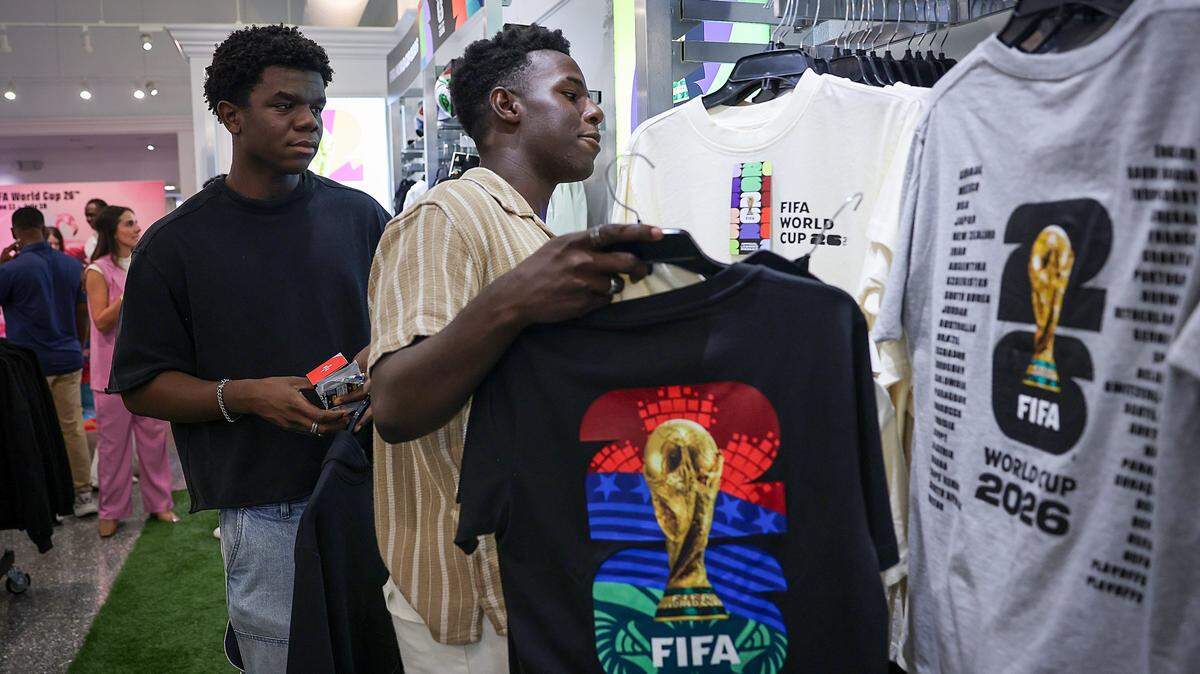
All eyes will be on Miami this month as the World Cup comes to South Florida. Fans from around the world will travel to the U.S., Mexico and Canada to attend the games. Seven matches will be at the Hard Rock Stadium in Miami-Dade County, including Brazil vs. Scotland and Colombia vs. Portugal, both of which are highly anticipated.
Miami is a global city already, but the matches will offer a whole new level of worldwide media exposure. The matches begin in less than two weeks, on June 15, and run through July 18. This will be a moment for Miami to shine — and to prove it can handle such a large event spread out over many weeks.
We haven’t forgotten the 2024 Copa America chaos, when thousands of ticketless fans breached the security gates at Hard Rock Stadium — the same place the World Cup games will be played —and stormed the venue, delaying the championship game. It was an international spectacle and led to a comprehensive review of security measures.
Since then, federal, state and local law enforcement agencies have worked hard to prepare for the World Cup. And last year’s Club World Club match between Inter Miami and Egyptian Al Ahly served as a test run for security improvements.
At a Miramar security briefing for the games last week, FBI Co-Deputy Director Andrew Bailey and others outlined the measures being taken, starting with restrictions on drones.
There will be temporary flight restrictions around the stadium and near Fan Fest at Miami’s Bayfront Park, and Miami- and Tampa-based law enforcement officers are being trained in the FBI’s Counter-Unmanned Aircraft Systems program, WLRN reported.
“We encourage you to enjoy the tournament, but please leave your drone at home,” said Jeffrey Vincent, the Southern regional administrator for the FAA.
There will be security zones to help avoid a repeat of Copa America, too. “If you don’t have a ticket to the game, don’t go to the game,” Bailey said.
It’s unclear whether immigration officers will be at the games, though the point has been raised repeatedly. Secretary of Homeland Security Markwayne Mullin has said that Immigration and Customs Enforcement agents have often been present at major sports events such as the Super Bowl.
South Florida, by the way, has hosted 11 Super Bowls, most recently in 2020. We know how to handle the big game. This time, the games will stretch over weeks, though.
And there’s taxpayer money in the mix: The county is expected to spend over $46 million on the World Cup. The city is also paying millions. Miami-Dade taxpayers should demand a clear accounting of what they got for the expense.
Mayor Daniella Levine Cava told NBC News 6 last year, “It’s going to boost our economy, not just short term but long term. People have already discovered our paradise, but now soccer fans all around the world will see it with their own eyes.”
We hope she’s right.
A 2024 economic impact study commissioned by FIFA, the worldwide governing body for soccer, found that the seven World Cup games could generate an estimated $1.3 billion in economic impact, through hotel stays, shopping and restaurants.
The economic activity is already being seen with increased short-term rentals. As the Miami Herald reported, short-term bookings in Miami for are up 130% over last year for the June 24 match between Brazil v. Scotland. And for the Colombia vs. Portugal game on June 27, short-term rentals in Miami are up 106% compared to last year.
Also, the multi-week Fan Fest in downtown Miami is expected to bring in about 600,000 attendees, another revenue stream for local businesses and the city.
The numbers are impressive at first glance, but projections aren’t results. Global exposure, the city’s international reputation and the lasting pride of playing host to the 2024 FIFA World Cup have value. But will the events live up to the hype? Will locals really benefit?
Miami is a soccer town. We’re thrilled to have World Cup games here. Will they have a lasting impact — worth $46 million? We’ll find out when the scoreboard is turned off and the crowds go home.
BEHIND THE STORY
MOREWhat's an editorial?
Editorials are opinion pieces that reflect the views of the Miami Herald Editorial Board, a group of opinion journalists that operates separately from the Miami Herald newsroom. Miami Herald Editorial Board members are: opinion editor Amy Driscoll and editorial writers Isadora Rangel and Mary Anna Mancuso. Read more by clicking the arrow in the upper right.
What's the difference between an op-ed and a column?
How does the Miami Herald Editorial Board decide what to write about?
The Editorial Board, made up of experienced opinion journalists, primarily addresses local and state issues that affect South Florida residents. Each board member has an area of focus, such as education, COVID or local government policy. Board members meet daily and bring up an array of topics for discussion. Once a topic is fully discussed, board members will further report the issue, interviewing stakeholders and others involved and affected, so that the board can present the most informed opinion possible. We strive to provide our community with thought leadership that advocates for policies and priorities that strengthen our communities. Our editorials promote social justice, fairness in economic, educational and social opportunities and an end to systemic racism and inequality. The Editorial Board is separate from the reporters and editors of the Miami Herald newsroom.
How can I contribute to the Miami Herald Opinion section?
The Editorial Board accepts op-ed submissions of 650-700 words from community members who want to argue a specific viewpoint or idea that is relevant to our area. You can email an op-ed submission to oped@miamiherald.com. We also accept 150-word letters to the editor from readers who want to offer their points of view on current issues. For more information on how to submit a letter, go here.
This story was originally published June 2, 2026 at 4:44 PM.