
Under Trump’s new green card rules, Miami’s legal immigrants have fewer options | Opinion
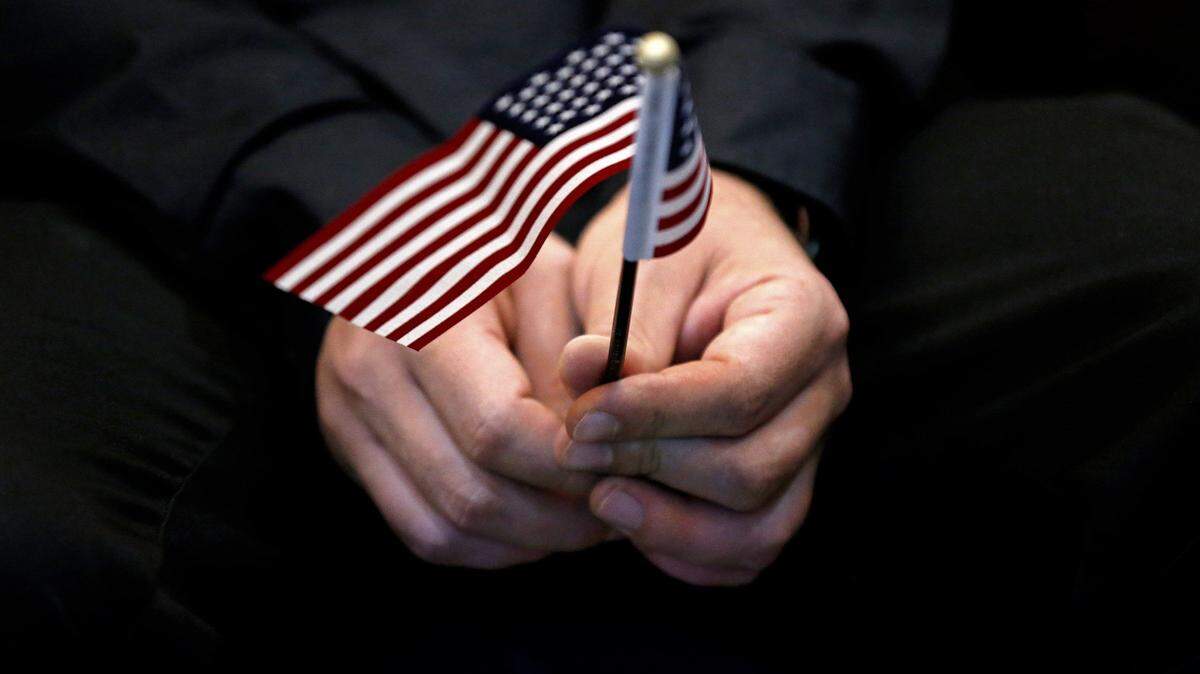
The Trump administration is playing a cruel game with people trying to become legal immigrants. It’s a game of ever-changing rules, of obstacles that seem to be aimed at making the immigration process so confusing, expensive, scary and exhausting that applicants just give up.
The latest obstacle the administration has created has the potential to affect Miami like few other places in the country.
As the Herald reported, U.S. Citizenship and Immigration Services issued a memo last week about a new rule that requires most people seeking permanent residency to return to their home countries to apply for a green card at a U.S. consulate. Up until then, applicants routinely applied for residency without leaving the U.S. through a process known as “adjustment of status” used by over 500,000 people every year, the Herald reported.
“I think this is just another attempt to basically end the immigration system in the United States,” Ira Kurzban, a prominent Miami immigration attorney, told the Herald Editorial Board. Kurzban’s firm is among those challenging the Trump administration’s effort to end Haiti’s Temporary Protected Status designation.
The new green card rule could separate families and affect professionals and students — unless they qualify for “very narrow exceptions” that allow them to remain in the country, the Herald reported. Those exceptions include people with approved asylum or refugee cases who cannot return to their country and applicants who “provide an economic benefit or otherwise are in the national interest,” a USCIS spokesperson told Business Insider.
Kurzban said he believes the administration is targeting families specifically, including spouses, children and parents of U.S. citizens who are eligible for permanent residency.
Here’s the catch: As the Herald reported, countries like Haiti, Venezuela and Russia don’t have functioning diplomatic relations with the U.S., raising the question of whether people can actually apply for a green card from those parts of the world. The administration has imposed bans on travel and visa processing for 39 nations, including Cuba, Venezuela and Haiti. And those seeking asylum? That’s become harder under President Trump as his administration routinely denies their claims, according to the Herald. The administration suspended the country’s refugee program and has admitted mainly white South Africans as refugees.
USCIS has said the intent of the new rule is to “ensure aliens navigate our nation’s immigration system properly.” But after adding up all the administration’s moves since Trump returned to office, the real point seems to be closing avenues of legal immigration. Voters — especially in Miami and other places that have thrived thanks to immigration — must wonder whether this is making the country better and safer, as Trump promised on the campaign trail.
There’s still a lot of confusion on how the new rules will be applied — and lawyers are vowing to fight them — but here’s how they could work:
An American citizen marries a foreigner, but before the spouse can obtain a green card, the spouse must return to their country of origin to wait months, if not years, for an approval, potentially leaving jobs and family behind.
Now, say the spouse came to the U.S. on a tourist visa and overstayed it. Kurzban said the spouse would still be eligible for a green card, but if they leave the U.S. to apply for one, they’ll trigger a 1996 federal law that says people who overstay their visa for six months and then leave the U.S. aren’t allowed back for three years. If they overstayed one year or longer, they are banned for 10 years, he said.
The larger point appears to be to make relatives of American citizens deportable. If federal immigration agents deny a spouse's adjustment of status for not leaving the country to apply, they may find the applicant out of legal status and subject to deportation, Kurzban said.
For workers on employer-sponsored visas, the scenario could become even more difficult. Leaving the U.S. to wait for a green card could put their jobs at risk and leave employers without labor.
Wasn’t Trump going to deport the worst of the worst — mostly migrants who commit crimes? We wonder how this latest move accomplishes that goal given that the green card process already requires thorough vetting of applicants. If the goal is to end legal immigration options, then the administration looks closer to success.
BEHIND THE STORY
MOREWho decides the political endorsements?
In advance of local and state elections, Miami Herald Editorial Board members interview political candidates, as well as advocates and opponents of ballot measures. The Editorial Board is composed of experienced opinion journalists and is independent of the Herald’s newsroom. Members of the Miami Herald Editorial Board are: Amy Driscoll, editorial page editor; and editorial writers Isadora Rangel and Mary Anna Mancuso. Read more by clicking the arrow in the upper right.
What does the endorsement process look like?
The Miami Herald Editorial Board interviews political candidates to better understand their views on public policy and how their policies will affect their constituents. Board members do additional reporting and research to learn as much as possible about the candidates before making an endorsement. The Editorial Board then convenes to discuss the candidates in each race. Board members seek to reach a consensus on the endorsements, but not every decision is unanimous. Candidates who decline to be interviewed will not receive an endorsement.
Is the Editorial Board partisan?
No. In making endorsements, members of the Editorial Board consider which candidates are better prepared to represent their constituents — not whether they agree with our editorial stances or belong to a particular political party. We evaluate candidates’ relevant experience, readiness for office, depth of knowledge of key issues and understanding of public policy. We’re seeking candidates who are thoughtful and who offer more than just party-line talking points.