
Florida’s ‘conscience’ vaccine exemption arrives right on cue for measles | Opinion
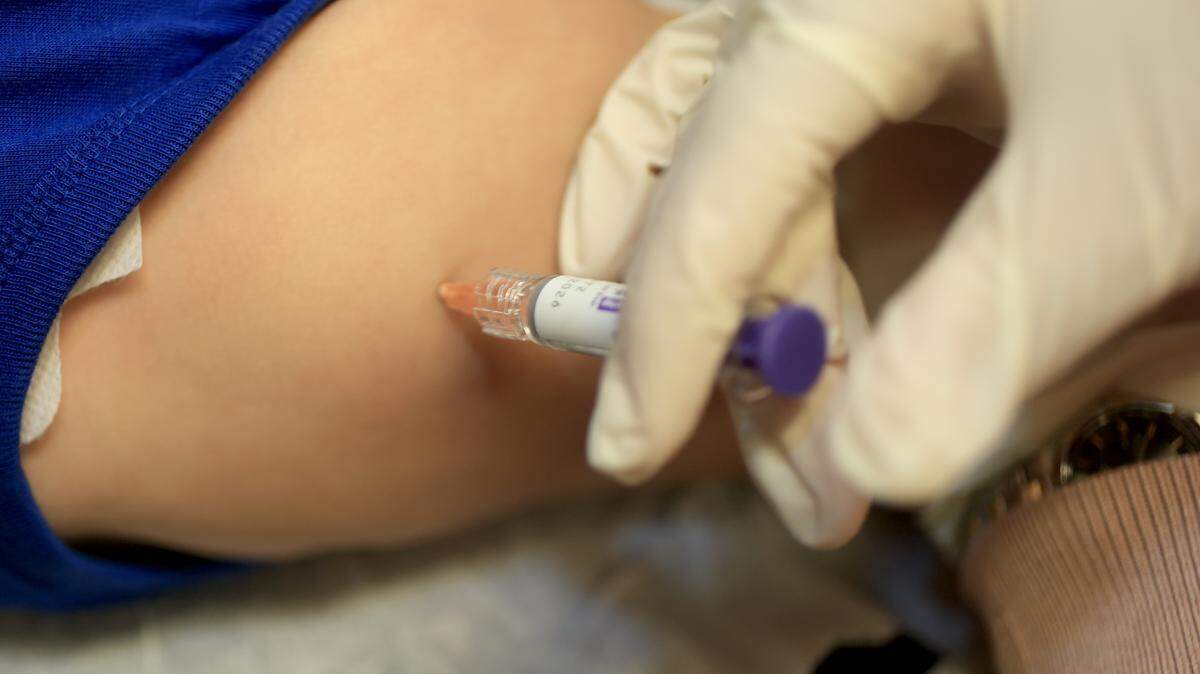
You can’t make this stuff up: Florida lawmakers are going to reconsider a proposal to expand vaccine exemptions for school children just as the state is battling a measles outbreak with 145 cases so far, the fourth-highest number in the nation.
Legislators have already spoken on this issue: During the regular session earlier this year, they rejected the “Medical Freedom Act.” The Senate passed the bill, sponsored by Jacksonville Republican Sen. Clay Yarborough; the House didn’t take it up, wisely letting it die.
But Gov. Ron DeSantis, not content to let a bad and dangerous idea fade away, added it to the agenda for the special session that starts Tuesday. The session will now include an effort to redraw Florida congressional districts that many in DeSantis’ own Republican Party think is too risky; a proposal to regulate artificial intelligence that lawmakers also failed to pass in the regular session and a push to expand vaccine exemptions for school children.
Will lawmakers have enough sense to say no to the vaccine issue a second time? We fervently hope so. Vaccines are critical. Measles can be deadly or have long-lasting consequences, especially for young children. Legislators will literally have children’s lives in their hands.
If the comments from House Speaker Daniel Perez of Miami on a Sunday TV program are any indication, skepticism about the proposal remains high:
“My concern with the vaccines is, you know, in the middle of a measles outbreak it’s tough for me to all of a sudden allow for children in schools to not have the measles vaccine, to not have polio, to not have chicken pox,” he said on Local 10’s This Week in South Florida. “You know, these are all things that have, for the most part, been eradicated, except for some having a comeback here with measles.”
The proposal to be considered next week is expected to be similar or identical to Yarborough’s original bill, SB 1756, which would allow parents to claim a “conscience exemption” to opt their children out of required school vaccines. In other words, parents could refuse to vaccinate their children for almost any reason.
Florida already allows exemptions for medical or religious reasons. Couching this latest attack on vaccines as an issue of “conscience” fails to consider the other part of the equation: those who could get infected by unvaccinated children. That includes babies too young to get the vaccine and others with compromised immune systems.
When a parent chooses not to vaccinate their child against an illness as contagious and serious as measles, they aren’t just risking their own family. They’re risking the health of people all around them. If there’s an issue of conscience to be considered, surely that should be it.
Consider this, too: Florida’s childhood vaccination rates have continued to drop, with the rate for Florida kindergartners now around 88% for the second school year in a row. In 2016, the rate was as high as 94%. To achieve “herd immunity,” when enough people are vaccinated to stop the spread of disease, you need about a 95% rate of vaccination.
But what do we expect in a state where the governor and the surgeon general, Joseph Ladapo, have vowed to end all state vaccine requirements for kids attending school, a list that includes shots that protect against measles-mumps-rubella, polio, chickenpox and Hepatitis B?
DeSantis loves to tout the wonders of the “free state of Florida” — especially as he looks for his next job once his term ends — but freedom can only go so far without infringing on the freedoms of others.
Florida lawmakers were right the first time. Children need vaccines, especially for the measles. The Legislature should be turning its attention to true issues facing the state, such as property insurance costs or the need for housing. Instead, lawmakers are wasting their time in a special session on a risky measure that isn’t worth considering.
BEHIND THE STORY
MOREWhat's an editorial?
Editorials are opinion pieces that reflect the views of the Miami Herald Editorial Board, a group of opinion journalists that operates separately from the Miami Herald newsroom. Miami Herald Editorial Board members are: opinion editor Amy Driscoll and editorial writers Isadora Rangel and Mary Anna Mancuso. Read more by clicking the arrow in the upper right.
What's the difference between an op-ed and a column?
How does the Miami Herald Editorial Board decide what to write about?
The Editorial Board, made up of experienced opinion journalists, primarily addresses local and state issues that affect South Florida residents. Each board member has an area of focus, such as education, COVID or local government policy. Board members meet daily and bring up an array of topics for discussion. Once a topic is fully discussed, board members will further report the issue, interviewing stakeholders and others involved and affected, so that the board can present the most informed opinion possible. We strive to provide our community with thought leadership that advocates for policies and priorities that strengthen our communities. Our editorials promote social justice, fairness in economic, educational and social opportunities and an end to systemic racism and inequality. The Editorial Board is separate from the reporters and editors of the Miami Herald newsroom.
How can I contribute to the Miami Herald Opinion section?
The Editorial Board accepts op-ed submissions of 650-700 words from community members who want to argue a specific viewpoint or idea that is relevant to our area. You can email an op-ed submission to oped@miamiherald.com. We also accept 150-word letters to the editor from readers who want to offer their points of view on current issues. For more information on how to submit a letter, go here.