
DeSantis loves tax relief — unless the break is at the gas pump | Opinion
Florida Gov. Ron DeSantis has never been shy about embracing tax holidays. During his time as governor, he and the Legislature suspended the state sales tax repeatedly on supplies for school and also for hurricanes and other disasters. Last year, he came up with a new one: He declared a “Second Amendment” tax holiday covering guns, ammunition, camping and hunting supplies.
At the time, he said the state was “committed to helping Floridians keep more of their hard-earned money.”
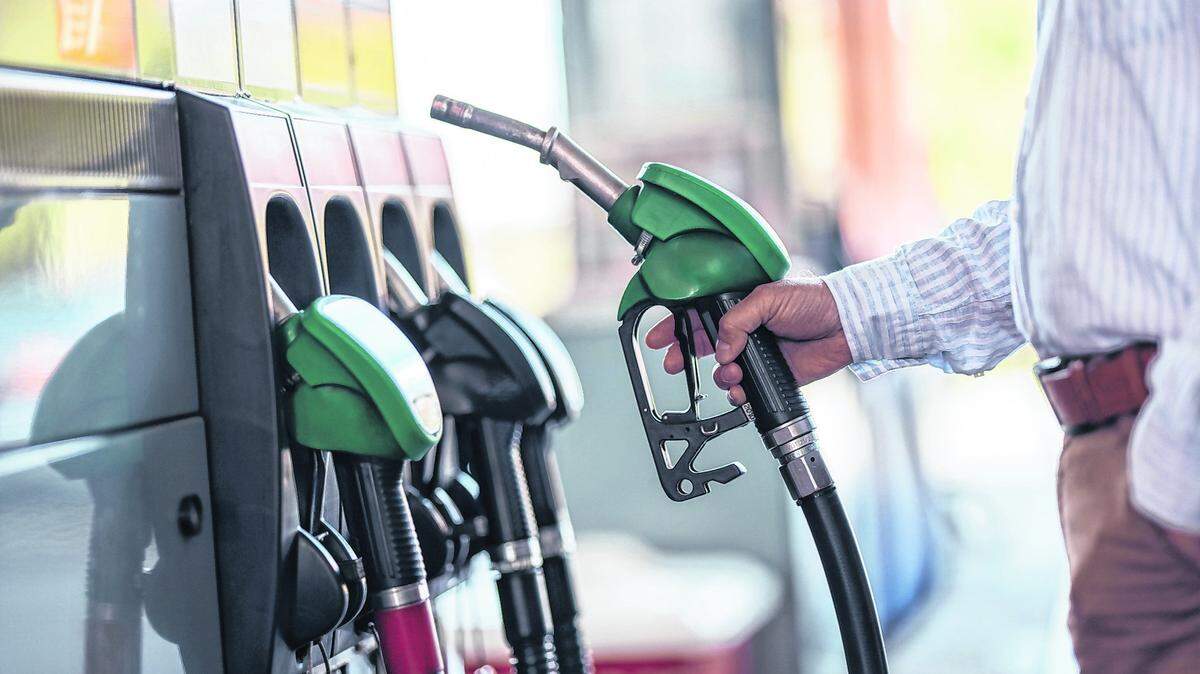
But now, when gas is over $4 a gallon in most places in Florida, he’s trying to shut down any talk of suspending the state tax on gas.
That’s puzzling because DeSantis has been an enthusiastic supporter of tax relief. He’s even pushing an extreme proposal to abolish property taxes. Or maybe it’s not so puzzling: Legislative Democrats are the ones asking him to temporarily lift the state’s 23.5-cent-a-gallon tax on gas.
If his opposition stems from politics, he’s being short-sighted. Gas prices hurt everyone, not just one party. He’s a term-limited governor who may be running for office again. Voters will remember if he didn’t even try to ease the pain at the pump. And yet, so far, he has refused to back the idea. Instead, he’s saying it’s an issue for Washington.
“My answer is just get the cost down internationally, and that means having stable energy markets, making sure we’re doing everything to get our stuff to market,” DeSantis said last month. “But I don’t know that there’s going to be any simple fix.”
He’s right to a certain extent — the war on Iran is President Trump’s problem to own. Suspending the state gas tax won’t solve the problem, but it would provide some relief. Even if gas prices continue to go up and down with the announcement of a two-week ceasefire in the Iranian conflict, we’re betting most Floridians would welcome even a small break.
The price of gas is no joke. Back on Feb. 28, before the U.S. began its war with Iran, gas in Florida was about $3 on average, according to AAA. But the conflict has driven the price up, with the state average now at about $4.20 a gallon. Miami-Dade County’s average was about $4.15 as of Wednesday, AAA said.
It’s hard to understand how the governor can say tax relief is in order on guns, ammo or property — but not on gas. And it’s not like he would be alone if he did it: Georgia Gov. Brian Kemp, a fellow Republican, suspended the state gas tax for 60 days until May 18. Officials there said the two-month suspension of the 33-cent tax would save Georgians as much as $400 million.
DeSantis has said fluctuations in oil prices could blunt the impact of any suspension of the gas tax. That’s a thin reason — even if it’s true. Gas costs are a bread-and-butter issue for many families. If there’s anything the state can do to help, it should. If Georgia is any guide, the consumer savings could be significant. Members of Congress are also considering suspending the 18-cent per gallon federal tax on gas.
Florida actually suspended the gas tax not that long ago, too. In 2022, DeSantis successfully pushed for a month-long gas tax holiday. Of course, that was when Joe Biden was president, DeSantis was still seeking another term as governor and the state used federal COVID funds to cover the costs.
Legislators and the governor will have a chance very soon to consider doing that again. The Legislature has to meet, likely in mid-April, to pass a budget, after lawmakers failed to do that in the regular session that ended in March. Lawmakers could consider a gas suspension measure along with the rest of the budget package.
But what really makes this hard to stomach is the governor’s full-throated support for tax relief of another kind. Let’s get this straight: The governor wants to do away with most property taxes — perpetually. But he’s opposed to suspending the gas tax, a far smaller measure, for a few months. We understand tax relief at the pump may seem like a small thing. But for regular people who have get the kids to school or commute to work, a little relief would go a long way.
BEHIND THE STORY
MOREWhat's an editorial?
Editorials are opinion pieces that reflect the views of the Miami Herald Editorial Board, a group of opinion journalists that operates separately from the Miami Herald newsroom. Miami Herald Editorial Board members are: opinion editor Amy Driscoll and editorial writers Isadora Rangel and Mary Anna Mancuso. Read more by clicking the arrow in the upper right.
What's the difference between an op-ed and a column?
How does the Miami Herald Editorial Board decide what to write about?
The Editorial Board, made up of experienced opinion journalists, primarily addresses local and state issues that affect South Florida residents. Each board member has an area of focus, such as education, COVID or local government policy. Board members meet daily and bring up an array of topics for discussion. Once a topic is fully discussed, board members will further report the issue, interviewing stakeholders and others involved and affected, so that the board can present the most informed opinion possible. We strive to provide our community with thought leadership that advocates for policies and priorities that strengthen our communities. Our editorials promote social justice, fairness in economic, educational and social opportunities and an end to systemic racism and inequality. The Editorial Board is separate from the reporters and editors of the Miami Herald newsroom.
How can I contribute to the Miami Herald Opinion section?
The Editorial Board accepts op-ed submissions of 650-700 words from community members who want to argue a specific viewpoint or idea that is relevant to our area. You can email an op-ed submission to oped@miamiherald.com. We also accept 150-word letters to the editor from readers who want to offer their points of view on current issues. For more information on how to submit a letter, go here.