
Vice-mayor should’ve been safe at home, not part of another domestic tragedy | Opinion
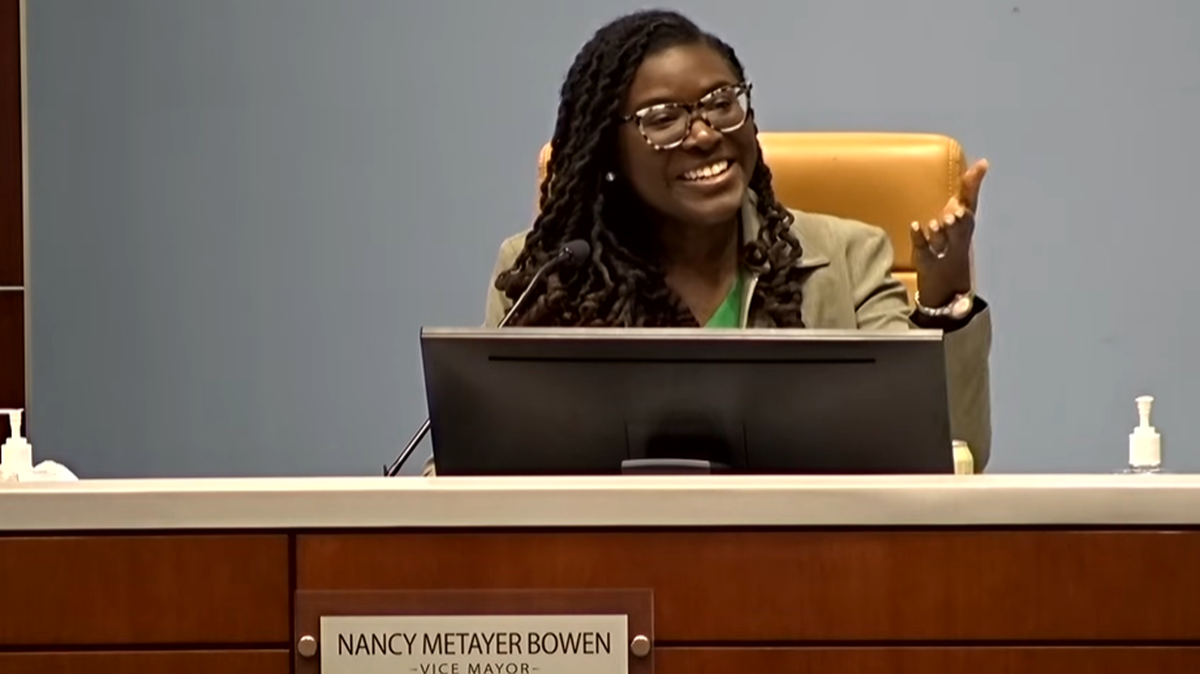
Coral Springs Vice Mayor Nancy Metayer Bowen was killed, and her husband has been charged with the murder, shooting her three times with a shotgun, according to an arrest report.
That news alone would be devastating for any community. But Metayer Bowen was also a leader who broke barriers. She was the first Black woman and Haitian American elected to the city council in Coral Springs. She was elected twice in a city that is only about 25% Black, as the Herald reported. Metayer Bowen also served as the vice chair of the Florida Democratic Party and Caribbean vote director in Florida for Kamala Harris’ 2024 presidential campaign.
Just 38, she was ambitious for the future, too. She had been expected to launch a congressional run soon and may even have been planning to announce it Thursday. When she received a service award from the Coalition of South Florida Muslims at a dinner in January attended by members of the Editorial Board, she was poised and radiant, the picture of success.
The headlines now, though, are all about how she died: another woman killed by her partner, according to police.
Domestic violence is a scourge in this community, as it is everywhere. South Florida has had a number of high profile cases in recent years. Last February, there was the horrific killing of 34-year-old mother, Mary Gingles, along with her father and a neighbor in Tamarac. Her estranged husband was charged with the murders and has pleaded not guilty. Several Broward County deputies were fired or disciplined for failing to properly respond to repeated pleas for help from Gingles about the growing danger her husband presented.
In 2022, police said a man shot and killed his wife in front of her daughter and others at a community center pool in Northeast Miami-Dade. In 2025, a 20-year-old woman was gunned down in her apartment by her boyfriend, according to the Miami-Dade Sheriff’s Office. There are others whose stories haven’t been told.
And now, from the details released so far, it looks as though we have another terrible case of domestic violence. According to the arrest report, after shooting his wife on Tuesday, Stephen Bowen then slept downstairs in their home. He went to his uncle’s house on Wednesday, the report said, admitting that he’d “done something” to his wife, she wasn’t alive and that he “couldn’t take it anymore.”
Police found three shotgun shells wrapped up with her body in the couple’s bedroom along with a pillow with burn marks on it which may have been “fashioned as a makeshift silencer,” according to the affidavit.
Metayer Bowen’s husband is in jail now, and no doubt there will be much more revealed about this tragic event. Metayer Bowen’s life had already been marked by pain: Her 26-year-old brother died by suicide in January. He was a survivor of the massacre at Marjorie Stoneman Douglas High School in 2018.
Men account for the vast majority of homicide victims, but the killing of women tends to follow a pattern. Nine out of 10 female homicide victims killed by men in 2023 knew their offenders, according to the Violence Policy Center. Of the victims who knew their offenders, 57.1% were wives or other intimate acquaintances of their killers.
According to the National Domestic Violence Hotline, from 1994 to 2010, approximately four in five victims of intimate partner violence were female.
Domestic violence crosses all boundaries. Being successful, smart or educated is no guarantee a woman can avoid becoming one of the thousands killed by their partners each year in America.
As Miami-Dade County School Board member Dorothy Bendross-Mindingall wrote in a statement after Metayer Bowen’s death: “I am reminded once again that domestic violence does not discriminate. It does not recognize titles, achievements, or status. It is a silent crisis that too often ends in irreversible loss.”
The loss of Metayer Bowen will be felt deeply across South Florida, not just in political or Democratic circles. And it’s a reminder that women deserve to be safe in their own homes.
BEHIND THE STORY
MOREWhat's an editorial?
Editorials are opinion pieces that reflect the views of the Miami Herald Editorial Board, a group of opinion journalists that operates separately from the Miami Herald newsroom. Miami Herald Editorial Board members are: opinion editor Amy Driscoll and editorial writers Isadora Rangel and Mary Anna Mancuso. Read more by clicking the arrow in the upper right.
What's the difference between an op-ed and a column?
How does the Miami Herald Editorial Board decide what to write about?
The Editorial Board, made up of experienced opinion journalists, primarily addresses local and state issues that affect South Florida residents. Each board member has an area of focus, such as education, COVID or local government policy. Board members meet daily and bring up an array of topics for discussion. Once a topic is fully discussed, board members will further report the issue, interviewing stakeholders and others involved and affected, so that the board can present the most informed opinion possible. We strive to provide our community with thought leadership that advocates for policies and priorities that strengthen our communities. Our editorials promote social justice, fairness in economic, educational and social opportunities and an end to systemic racism and inequality. The Editorial Board is separate from the reporters and editors of the Miami Herald newsroom.
How can I contribute to the Miami Herald Opinion section?
The Editorial Board accepts op-ed submissions of 650-700 words from community members who want to argue a specific viewpoint or idea that is relevant to our area. You can email an op-ed submission to oped@miamiherald.com. We also accept 150-word letters to the editor from readers who want to offer their points of view on current issues. For more information on how to submit a letter, go here.
This story was originally published April 2, 2026 at 4:33 PM.