
More delays are a bad look. What’s Miami-Dade’s end game for mental health center? | Opinion
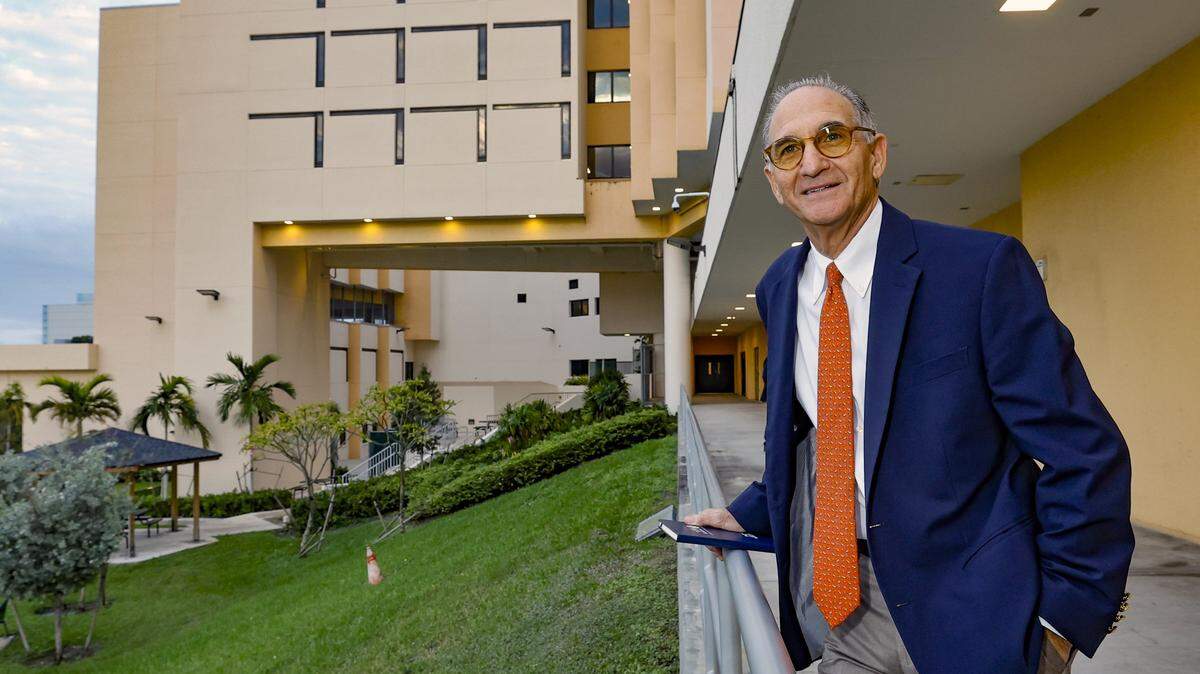
What’s the end game of the Miami-Dade County Commission in delaying, again and again, a vote to give final approval to a mental health treatment facility that’s been planned for more than 20 years?
The county has already spent $51 million renovating a building between Wynwood and Allapattah to house the Miami Center for Mental Health and Recovery. This project is ready to open.
The facility has been planned since voters approved a referendum to finance it in 2004. That’s why it is strikingly odd that, just before the county is scheduled to approve its funding, commissioners are stalling, arguing they don’t know if Miami-Dade can afford this.
Fiscal responsibility is vital and there are legitimate reasons to discuss the longterm fiscal impact of this project. But the County Commission needs to give it to the public straight: Is it their intent to open the facility, or, this late in the game, do they have other plans?
“We have no idea what the path forward is,” County Commissioner Raquel Regalado, who’s been pushing for the approval of the Miami Center, told the Herald Editorial Board.
Two county legislative committees have deferred on voting on a funding and operating agreement for the facility since February. And, as the Herald reported Wednesday, Miami-Dade has received a rival proposal from a Tennessee-based psychiatric services company to run the center. Recovery Solutions sent its proposal months ago, but it wasn’t made public until the Herald reported about it.
Two years ago, the commission instructed the administration to negotiate an operating agreement with different providers, nonprofits Advocate Program and WestCare Foundation. Retired Judge Steven Leifman, the center’s biggest advocate, has been asking the commission to approve that contract so the facility can open.
Recovery Solutions told the Herald in a statement that it submitted its proposal to Miami-Dade after following the commission’s discussions on what to do with the mental health center.
Here’s a potential snag: The company, the Herald reported, hired a well-connected former state senator, Oscar Braynon, as its lobbyist. Braynon works for the Southern Group, a prominent Florida lobbying firm.
Is this the reason the final vote has been delayed so many times? It’s unclear.
Mayor Daniella Levine Cava has not taken a strong position on what should happen. She, too, must make her wishes known. Her administration sent a statement to the Herald that read, “We remain ready to respond to the will of the Board as it deliberates on how to best provide these critical services to our most vulnerable residents.”
Regalado and Leifman believe the facility has enough votes if it goes before the full 13-member County Commission, but that normally can only happen once legislation has cleared at least one legislative committee.
It’s hard not to read all of this without wondering whether there might be something going on behind the scenes.
In previous hearings, some commissioners raised questions about the cost of running the Miami Center for Mental Health and Recovery.
Leifman has secured enough outside funding to pay for the operations for the first three years. After that, the cost will be about $24 million a year. A mix of local, state and federal treatment dollars would cover roughly half of that, the Herald reported. Miami-Dade County has $10 million a year earmarked for the center, leaving an estimated $2.5 million annual shortfall.
Leifman and Regalado say the county will make up for that additional expense because the center will provide services to people with mental illness who cycle in and out of jail for low-level crimes related to homelessness. Once incarcerated, they cost taxpayers millions of dollars. Costs in overtime alone at the county jail are estimated to reach $45.9 million this budget year, according to an analysis Leifman provided to the Editorial Board.
Once they are in treatment, patients are eligible for Medicaid and Medicare money they otherwise wouldn’t access while incarcerated, Regalado said.
Some commissioners, however, are not convinced by that argument. They worry Miami-Dade may not be able to sustain the recurring costs of maintaining this project. We understand those concerns, but government budgets are a reflection of priorities. If Miami-Dade cannot find money to treat people stuck in a costly revolving door between homelessness and incarceration, shouldn’t the county also look at what else it should not fund?
To us, and the voters who passed the 2004 referendum, addressing mental health should be a priority. The message the County Commission is sending right now is that it is not. So, commissioners, tell the public exactly what you plan to do.
BEHIND THE STORY
MOREWhat's an editorial?
Editorials are opinion pieces that reflect the views of the Miami Herald Editorial Board, a group of opinion journalists that operates separately from the Miami Herald newsroom. Miami Herald Editorial Board members are: opinion editor Amy Driscoll and editorial writers Isadora Rangel and Mary Anna Mancuso. Read more by clicking the arrow in the upper right.
What's the difference between an op-ed and a column?
How does the Miami Herald Editorial Board decide what to write about?
The Editorial Board, made up of experienced opinion journalists, primarily addresses local and state issues that affect South Florida residents. Each board member has an area of focus, such as education, COVID or local government policy. Board members meet daily and bring up an array of topics for discussion. Once a topic is fully discussed, board members will further report the issue, interviewing stakeholders and others involved and affected, so that the board can present the most informed opinion possible. We strive to provide our community with thought leadership that advocates for policies and priorities that strengthen our communities. Our editorials promote social justice, fairness in economic, educational and social opportunities and an end to systemic racism and inequality. The Editorial Board is separate from the reporters and editors of the Miami Herald newsroom.
How can I contribute to the Miami Herald Opinion section?
The Editorial Board accepts op-ed submissions of 650-700 words from community members who want to argue a specific viewpoint or idea that is relevant to our area. You can email an op-ed submission to oped@miamiherald.com. We also accept 150-word letters to the editor from readers who want to offer their points of view on current issues. For more information on how to submit a letter, go here.