
Growth with responsibility: Why Miami-Dade must protect the Urban Development Boundary | Opinion
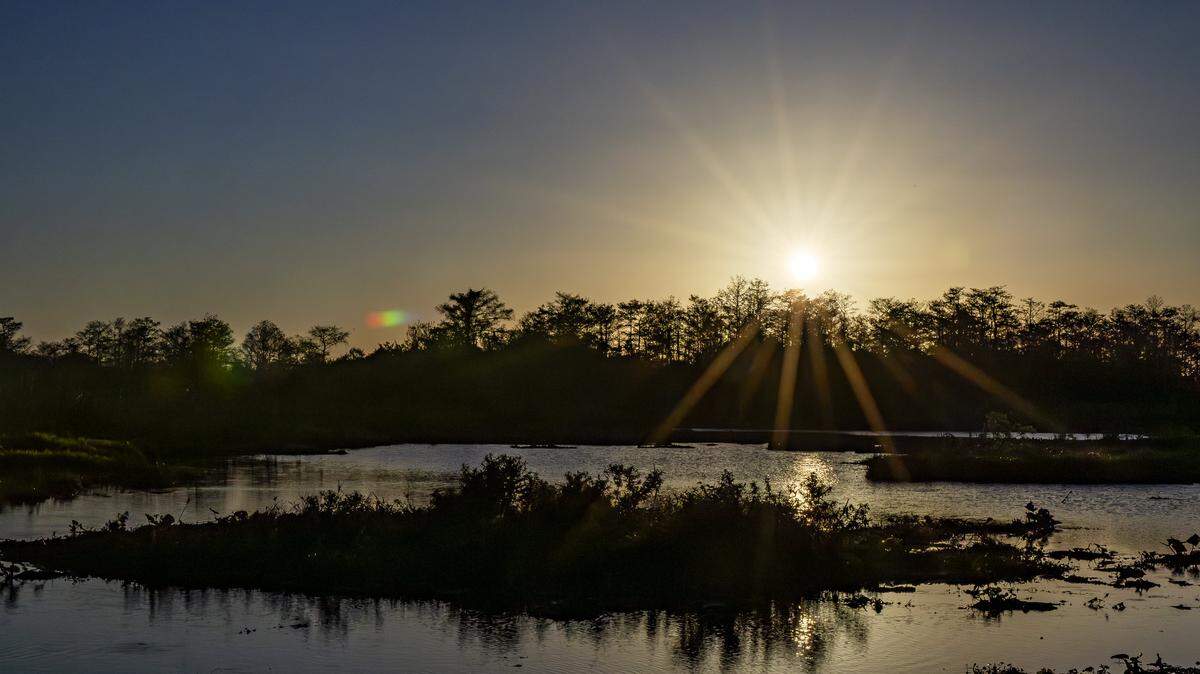
Miami-Dade County is growing, and that growth brings opportunity. But without responsible planning, growth can also threaten the very resources that make Miami-Dade livable, our drinking water, our farmland and the Everglades that protect our communities.
For decades, our community has relied on one critical planning tool to strike that balance: the Urban Development Boundary.
Now, proposals being discussed in the Florida Legislature could eliminate that boundary entirely, removing one of the most important safeguards we have for managing growth responsibly in Miami-Dade County.
The Urban Development Boundary, or UDB, is not simply a line on a map. It is one of the most important tools our community has to guide development responsibly. For decades, it has helped direct growth toward areas where infrastructure already exists while protecting environmentally sensitive land, agricultural areas and the fragile ecosystem that surrounds us.
As the governor’s appointee to the South Florida Everglades Restoration Task Force, I have seen firsthand the extraordinary effort and investment required to restore and protect the Everglades. Billions of dollars in federal and state funding are being dedicated to one of the largest environmental restoration efforts in the world.
Weakening or eliminating the UDB risks undermining decades of that work.
When development pushes farther west, it does not simply consume open land. It increases pressure on the natural systems that protect our water supply, absorb stormwater and shield our communities from flooding. The Everglades are not simply a scenic landscape. They are essential to the environmental and economic survival of South Florida.
At the same time, we must acknowledge a reality: Miami-Dade County is growing, and housing affordability is a serious challenge for many families. But the solution cannot be unchecked sprawl into environmentally sensitive areas.
The Urban Development Boundary was never intended to stop growth, nor should it. The line has moved before, and it may move again in the future. What matters is how those decisions are made.
Smart growth means evaluating proposals carefully and individually, considering environmental impacts, infrastructure capacity and the long-term needs of our community. That thoughtful process is exactly what the UDB was designed to support.
Equally important is preserving the thoughtful local decision-making process that governs changes to the UDB.
Today, when proposals are brought forward to move the UDB, they are carefully evaluated by the Miami-Dade Board of County Commissioners. Each project is reviewed on its own merits, allowing local elected officials to weigh environmental impacts, infrastructure capacity, community concerns and long-term planning goals.
That process matters.
For that reason, the longstanding requirement that any change to the UDB receive a supermajority vote of nine commissioners should remain in place.
Moving this line is one of the most consequential land-use decisions our county can make. It carries countywide implications for our environment, our water supply, our infrastructure and our future.
Such decisions should only occur when there is broad consensus that the proposal truly serves the long-term interests of our community.
Eliminating the UDB would remove that careful local process entirely and replace thoughtful planning with a one-size-fits-all approach that does not reflect Miami-Dade’s unique environmental realities.
This conversation should not be framed as a choice between growth and environmental protection. Miami-Dade can, and must, achieve both.
For decades, our community has worked carefully to strike that balance. The UDB has been central to that effort, providing a framework that allows development to occur while safeguarding the natural systems that make life in Miami-Dade possible.
As legislators consider proposals that could affect local land-use decisions, it is critical that Miami-Dade’s unique environmental realities remain front and center. What works in other parts of Florida may not work in a county bordered by the Everglades on one side and Biscayne Bay on the other.
The future of our region depends on thoughtful planning, responsible leadership and a commitment to protecting the resources that sustain our communities.
Growth will continue. But the question is not whether Miami-Dade will grow, it is whether we will grow wisely.
The decisions we make today about the Urban Development Boundary will shape Miami-Dade County for generations to come.
René García is the Miami-Dade County commissioner for District 13.