
Florida car insurance rates have started dropping but don’t celebrate yet | Opinion
It’s expensive to be a South Floridian. We have sky-high property values that place homeownership out of reach for many, wages that don’t keep pace with costs, some of the highest-priced apartment rentals in the country and a home insurance crisis. The cost of gas (as we get stuck in traffic) isn’t helping, either; it’s gone up at least 50 cents a gallon since President Trump’s war on Iran.
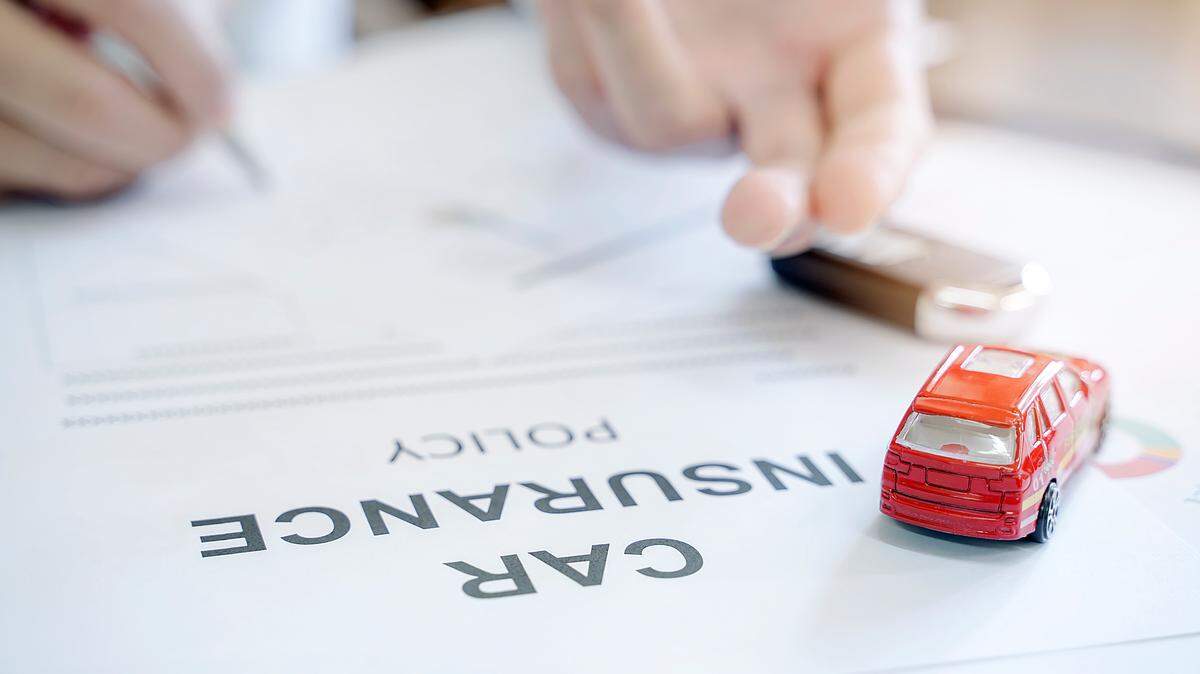
There’s a bright spot for consumers, though: auto insurance. Florida’s top five insurers are lowering rates by an average of about 8% for 2026, the state’s insurance commissioner announced earlier this month.
That may not be much, and there are big-picture problems with Florida’s car insurance market that still must be addressed. But in cost-burdened South Florida, we’ll take it.
Consumers need the help. As of 2022, Floridians were paying the highest car insurance rates in the nation, according to a 2025 report by the nonprofit Florida Policy Project.
In Tallahassee, the Legislature may be busy debating whether to cut taxes on homesteaded properties as a way to give residents financial relief, but let’s not overlook car insurance rates. They’ve been a burden for a long time, too.
The companies reducing their average rates by about 8% are Progressive, GEICO, State Farm, Allstate and USAA. Together, those companies cover the majority of the market, almost 80%, Florida Insurance Commissioner Mike Yaworsky said in a news release. There were other decreases by some companies last year, too.
The drop in rates means legislators’ work in the last few years to crack down on “frivolous” litigation is paying off, according to Jeff Brandes, the outspoken former Republican state senator from Pinellas County who founded the Florida Policy Project.
Gov. Ron DeSantis — who has called Florida a “judicial hellhole” due to excessive litigation — signed tort reform legislation in 2022 and 2023. This year, at least one insurance company, Progressive, is issuing refunds to customers, with checks or credits hitting mailboxes in February, the Miami Herald reported.
It’s too soon to tell whether these changes will have long-lasting impact. Progressive, for example, said it has had lower-than-anticipated costs for losses in the state since 2023 for certain types of personal auto claims, a company spokesman told the Herald. He also noted that the absence of Florida hurricanes in 2025 was a contributing factor for the rebates. Will those factors have to continue in order to keep premiums down?
Brandes warns that Florida’s car insurance market still needs to address a root cause of higher prices: uninsured motorists. About 20% of drivers in Florida get behind the wheel without any insurance, The Florida Policy Project report said.
“Lower rates are welcome. Any relief for Florida drivers is good news,” he wrote on X. “But here’s the hard truth: Florida’s auto insurance laws were largely built in 1971. Muscle cars, pay phones, and gas under 40 cents a gallon. The world has changed. The law mostly hasn’t.”
Many drivers carry insufficient insurance or none at all, he said, and when a crash occurs, the costs shift to those who bought sufficient coverage. That drives up premiums for everyone.
What can be done? The Florida Policy Project report cites Oklahoma as one state that seems to have figured out ways to reduce the number of people who drive without insurance, which is one way to attack costs. A key feature: automated license plate readers to identify uninsured vehicles on the road combined with a database of vehicle and insurance policy information. The state also upped the fine for those who were caught driving without insurance.
“Lower rates are good news,” Brandes wrote. “But until Florida fixes uninsured and underinsured driving, responsible drivers will keep subsidizing the rest of the system...”
In a state where residents were already paying some of the highest car insurance rates in the country, an 8% reduction may not feel like it’s much to celebrate. But amid the endless barrage of negative news about South Florida’s cost of living, at least it’s a few bucks — or even a few hundred — back in the pockets of consumers.
BEHIND THE STORY
MOREWhat's an editorial?
Editorials are opinion pieces that reflect the views of the Miami Herald Editorial Board, a group of opinion journalists that operates separately from the Miami Herald newsroom. Miami Herald Editorial Board members are: opinion editor Amy Driscoll and editorial writers Isadora Rangel and Mary Anna Mancuso. Read more by clicking the arrow in the upper right.
What's the difference between an op-ed and a column?
How does the Miami Herald Editorial Board decide what to write about?
The Editorial Board, made up of experienced opinion journalists, primarily addresses local and state issues that affect South Florida residents. Each board member has an area of focus, such as education, COVID or local government policy. Board members meet daily and bring up an array of topics for discussion. Once a topic is fully discussed, board members will further report the issue, interviewing stakeholders and others involved and affected, so that the board can present the most informed opinion possible. We strive to provide our community with thought leadership that advocates for policies and priorities that strengthen our communities. Our editorials promote social justice, fairness in economic, educational and social opportunities and an end to systemic racism and inequality. The Editorial Board is separate from the reporters and editors of the Miami Herald newsroom.
How can I contribute to the Miami Herald Opinion section?
The Editorial Board accepts op-ed submissions of 650-700 words from community members who want to argue a specific viewpoint or idea that is relevant to our area. You can email an op-ed submission to oped@miamiherald.com. We also accept 150-word letters to the editor from readers who want to offer their points of view on current issues. For more information on how to submit a letter, go here.