
Before facing justice, Alexander brothers acted with impunity. Have we wondered why? | Opinion
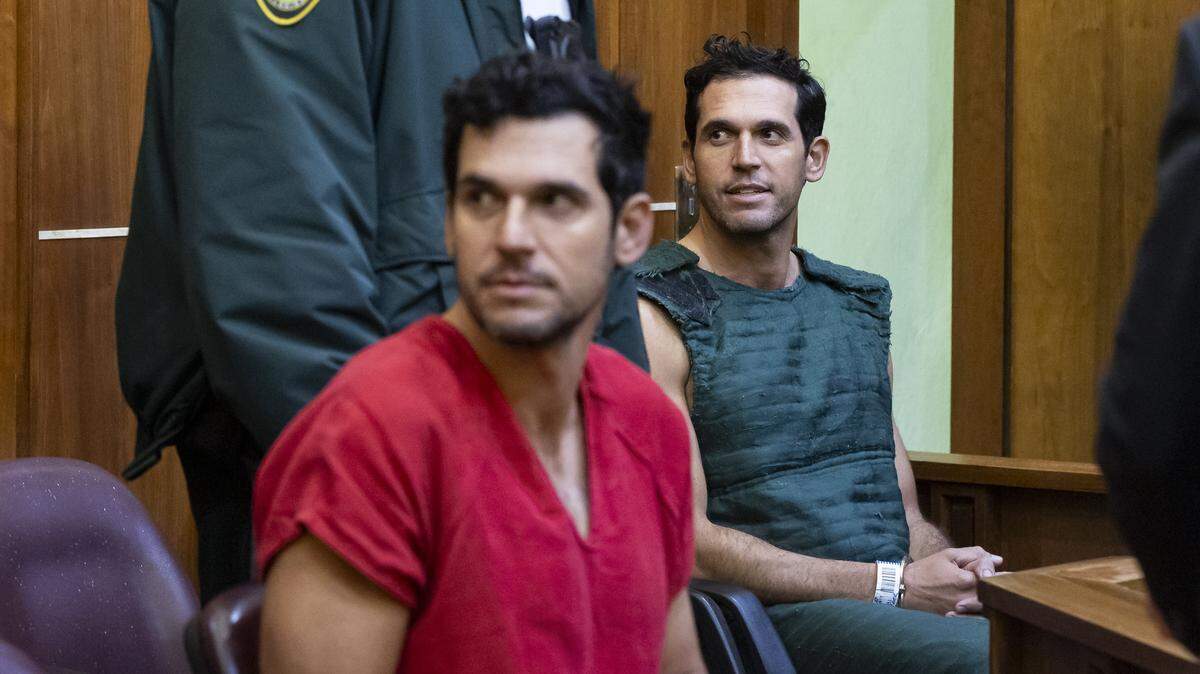
Something nefarious has been happening right under our noses: Men, enabled by wealth and social status, have been abusing or assaulting women with apparent ease — and then bragging about it.
The conviction of the Miami-raised Alexander brothers by a federal jury in New York on Monday has been dubbed by some as a “reckoning” for rich and powerful men who believe their money will shield them from accountability. That’s correct, but it’s also a reminder that, as recently as 2021, according to prosecutors, young men who were around during the peak of the #MeToo movement still felt emboldened to deprive women of their bodily autonomy.
The three brothers — twins Alon and Oren, 38, and Tal Alexander, 39 — were found guilty of orchestrating a sex-trafficking conspiracy that involved the drugging and raping of dozens of women over decades, from New York City to their hometown of Miami, the Herald reported. They were not charged in every count, but each faces up to life in prison. Eleven women told jurors they were sexually assaulted by at least one of the brothers.
Prosecutors alleged the brothers used their wealth to entice young women to private homes, yachts, mansions and luxury trips before drugging and assaulting them, the Herald reported. Alon and Oren still face three state rape charges in Miami. There’s also a lawsuit by a 30-year-old Miami woman accusing a popular nightclub in Miami Beach of facilitating the trafficking of women to the brothers. They have said they’re innocent since their arrest in 2024.
Many following this story must be wondering why young, successful, good-looking young men would have to resort to drugging women for sex. Rape is about power and violence, though. And the more important question is what makes some men believe they could take such actions. Is it a sense of superiority over women? Just depravity? We’ll probably never know. But there are some hints: If the allegations in that lawsuit are proven, the silence or complicity of others enables perpetrators to act with impunity, as the evidence presented at trial indicates the brothers did.
“I’m serious. I drug bitches.” That statement, on a video played for jurors, was attributed to Oren Alexander, the Herald reported.
For those who may think #MeToo has gone too far or is no longer relevant, this is a stark reminder of how much farther we still have to go. For women, it’s a reminder that an abuser doesn’t always look like an abuser.
Americans have spent a good part of the past decade talking about consent in sexual relations, that “no means no,” that people under the heavy influence of drugs and alcohol aren’t able to consent. A sex trafficking conviction in 2026 feels like justice and offers hope for victims who haven’t seen their abusers prosecuted, but it should also make us tired and angry.
All of this is happening as the country grapples with the Epstein files and the people who helped billionaire Jeffrey Epstein sexually abuse young women and girls and the authorities who gave him a pass. Perhaps the debacle of the Epstein case, and the backlash federal prosecutors faced for negotiating a plea deal with him in 2008 has made the justice system less likely to let others skate on similar charges. We hope so.
The Epstein victims will never see this level of justice — he died in a federal detention facility while awaiting trial on charges including the sex trafficking of minors. His 2019 death was ruled a suicide.
We hope the conviction of the Alexander brothers gives their victims some peace. Unfortunately, this probably won’t be the last case involving wealthy men accused of abusing women with a sense of impunity.
BEHIND THE STORY
MOREWho decides the political endorsements?
In advance of local and state elections, Miami Herald Editorial Board members interview political candidates, as well as advocates and opponents of ballot measures. The Editorial Board is composed of experienced opinion journalists and is independent of the Herald’s newsroom. Members of the Miami Herald Editorial Board are: Amy Driscoll, editorial page editor; and editorial writers Isadora Rangel and Mary Anna Mancuso. Read more by clicking the arrow in the upper right.
What does the endorsement process look like?
The Miami Herald Editorial Board interviews political candidates to better understand their views on public policy and how their policies will affect their constituents. Board members do additional reporting and research to learn as much as possible about the candidates before making an endorsement. The Editorial Board then convenes to discuss the candidates in each race. Board members seek to reach a consensus on the endorsements, but not every decision is unanimous. Candidates who decline to be interviewed will not receive an endorsement.
Is the Editorial Board partisan?
No. In making endorsements, members of the Editorial Board consider which candidates are better prepared to represent their constituents — not whether they agree with our editorial stances or belong to a particular political party. We evaluate candidates’ relevant experience, readiness for office, depth of knowledge of key issues and understanding of public policy. We’re seeking candidates who are thoughtful and who offer more than just party-line talking points.