
Trump said the right things on AI data centers but Florida better follow DeSantis | Opinion
Most Floridians understand that artificial intelligence is here to stay, but they are also understandably worried about the unappealing possibility of having to live close to the giant data centers that power this technology while guzzling electricity and local water.
These facilities have become controversial because they threaten to further burden the power grid and raise electricity prices that are already on the rise. Reports from other parts of the country show that, when unchecked, the centers can disturb nearby residents. They also are expected to use up to 9% of the nation’s electricity by 2030, according to the Electric Power Research Institute.
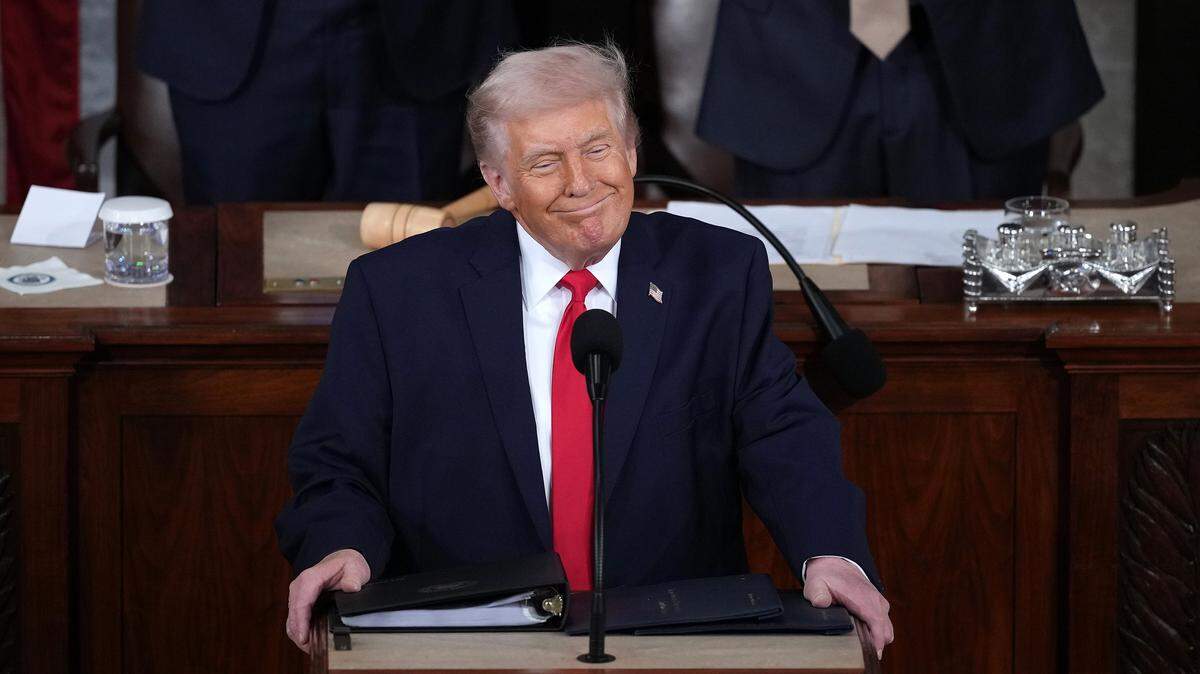
On Tuesday, President Trump announced during his State of the Union address that his administration is entering deals with tech companies so they foot the costs of data centers by building their own power plants.
“We’re telling the major tech companies that they have the obligation to provide for their own power needs. They can build their own power plants as part of their factory, so that no one’s prices will go up,” Trump told Congress.
While so much of Trump’s address was filled with insults and half-truths, we agree with the idea behind the president’s statement on the issue of data centers. Why should consumers have to pay more for electricity simply because a data center needs power? However, the details are scant on what these deals with tech companies may look like. Meanwhile, Trump has pushed for uniform AI regulations across the nation and doesn’t want states to try regulating it alone.
Much of this borderless technology cannot be regulated with a piecemeal approach where each state has a different set of rules. But when it comes to aspects of AI such as data centers, Florida Gov. Ron DeSantis’ call for state oversight is prudent.
“What we’re doing is things that are going to make sure we put Floridians first, that we look out for our own people and not just have people get harmed by this rush to create data centers,” DeSantis said during a December news conference.
We’re not talking about banning data centers — that would prevent Florida from tapping into the economic benefits of AI and its infrastructure. But the push to establish guardrails before these facilities are widespread in Florida is about quality of life and protecting resources.
Florida Speaker Daniel Perez, R-Miami, has said he believes the federal government should get “first dibs” on regulating AI. That may be for the best. But when it comes to data centers, state lawmakers should have a key role; they should continue to consider legislation regarding the issue.
Sen. Bryan Avila, R-Miami Springs, has filed Senate Bill 484 that would, among other things, require Florida’s utility regulators to create terms and conditions to ensure that large power customers, such as data centers, pay for their own cost of service. The legislation would also prohibit state and local officials from entering non-disclosure agreements with tech companies that prevent them from disclosing details about a proposed facility to the public. It also reaffirms the authority of local governments to exercise the powers to plan and regulate for development with respect to large utility customers. This latter provision is a breath of fresh air coming from a Legislature that has preempted so much of what local governments can do.
The Senate has been advancing Avila’s bill. Meanwhile, the House version of the legislation would also create a five-mile boundary around schools and homes where data centers cannot be built.
There are no known plans to build these centers in Miami-Dade County. In Palm Beach County, a 200-acre proposed site called Project Tango has faced fierce backlash from residents. Officials there have postponed a decision until April, partly because they want to see which regulations the Legislature might pass. That makes it even more urgent for lawmakers to act this legislative session instead of waiting for a plan from the Trump administration.
Opponents of any AI regulations will say that concerns about the technology are fearmongering. But previous technological revolutions — mainly the internet and social media — should have taught lawmakers and the public that inaction isn’t an option.
BEHIND THE STORY
MOREWho decides the political endorsements?
In advance of local and state elections, Miami Herald Editorial Board members interview political candidates, as well as advocates and opponents of ballot measures. The Editorial Board is composed of experienced opinion journalists and is independent of the Herald’s newsroom. Members of the Miami Herald Editorial Board are: Amy Driscoll, editorial page editor; and editorial writers Isadora Rangel and Mary Anna Mancuso. Read more by clicking the arrow in the upper right.
What does the endorsement process look like?
The Miami Herald Editorial Board interviews political candidates to better understand their views on public policy and how their policies will affect their constituents. Board members do additional reporting and research to learn as much as possible about the candidates before making an endorsement. The Editorial Board then convenes to discuss the candidates in each race. Board members seek to reach a consensus on the endorsements, but not every decision is unanimous. Candidates who decline to be interviewed will not receive an endorsement.
Is the Editorial Board partisan?
No. In making endorsements, members of the Editorial Board consider which candidates are better prepared to represent their constituents — not whether they agree with our editorial stances or belong to a particular political party. We evaluate candidates’ relevant experience, readiness for office, depth of knowledge of key issues and understanding of public policy. We’re seeking candidates who are thoughtful and who offer more than just party-line talking points.