
Former Prince Andrew was arrested. Where’s justice for Epstein victims in U.S.? | Opinion
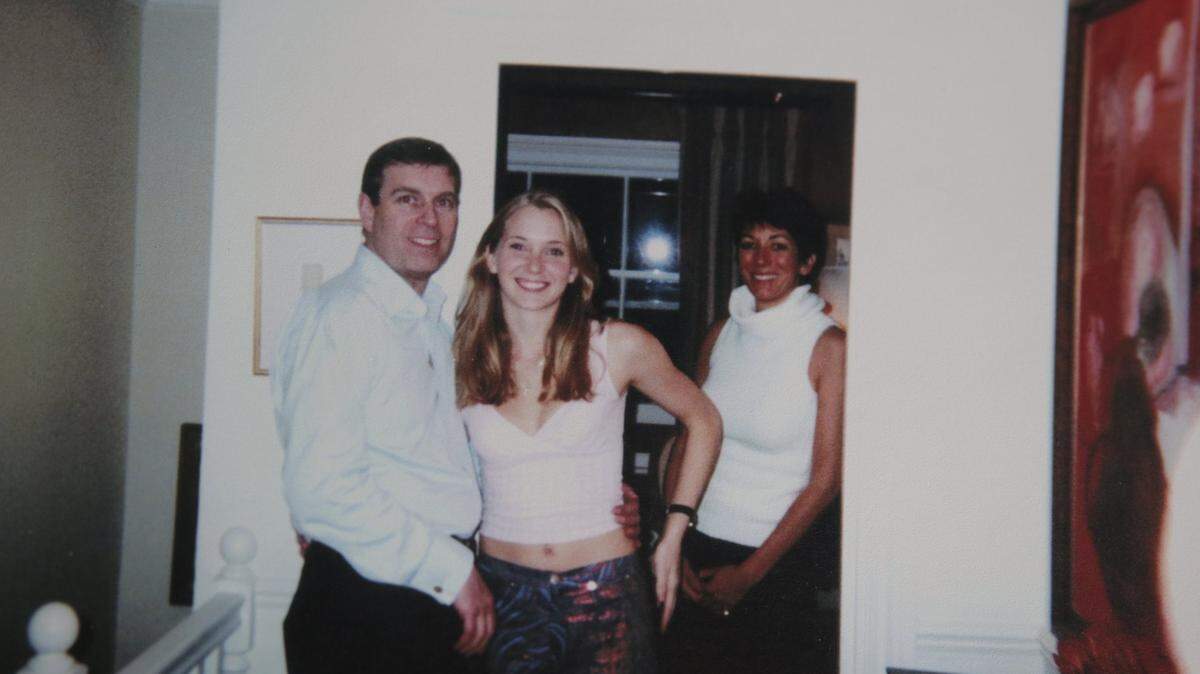
In the United Kingdom, former Prince Andrew was arrested Thursday on suspicion of misconduct related to his ties with Jeffrey Epstein.
“The law must take its course,” King Charles, Andrew’s brother, said in an official statement to the country, reinforcing the importance of the rule of law in the U.K.
What about here, in the United States? Millions of pages of documents have been released from the government’s Epstein files, most recently at the end of January. There have been resignations and severed business ties, and a new story seems to come out every day uncovering more connections between Epstein and a network of powerful people around the world. But where’s the true accountability in the U.S.?
Andrew Mountbatten-Windsor, who had already been stripped of his title last year and his official duties years earlier, was arrested after police said they were “assessing” reports that the former prince had shared confidential trade reports with Epstein in 2010. Andrew was a British government trade envoy at the time.
The arrest comes after years of pressure on the royal family and on Andrew over his years-long friendship with the disgraced financier. In the most recent release of the files, a photo shows him on all fours kneeling over what appears to be a prone woman. As the Miami Herald has reported, he had previously reached a settlement with Epstein victim Virginia Giuffre. He admitted no wrongdoing but settled out of court for an undisclosed sum.
The United Kingdom has taken serious action in the Epstein case against a member of the royal family. No doubt this is leaving a lasting stain on the royal family.
Yet, in the United States and in Florida, the response has felt disjointed — at best.
Certainly, there has been professional fallout in this country for those connected to Epstein. As the New York Times reported, billionaire Hyatt hotels heir Thomas Pritzker stepped down from his executive chairmanship. Chairman of the Los Angeles 2028 Olympics Casey Wasserman is selling his talent agency. Goldman Sachs General Counsel Kathryn Ruemmler resigned after emails advising Epstein on how to answer questions about his sex crimes and discussing her dating life were made public. Larry Summers, former Harvard president and treasury secretary in the Clinton administration, resigned from two think tanks and stepped back from his public commitments.
The list goes on. But even though some people in connection with Epstein have lost professional standing, resigning a position isn’t the same as justice for the victims of Epstein’s trafficking network. In the U.S., the response to the Epstein files has seemed far removed from the severity of the crimes — more like reputational management than legal urgency. Epstein’s survivors deserve better.
The more the public learns about Epstein through his emails, the clearer the picture of a vast social and professional network that enabled horrific abuse. The names contained in the files are those of the rich and very, very powerful. But if the American legal system fails to act, it sends a grave message: There are two systems of justice — one for the connected and one for everyone else.
Until accountability is delivered, victims will only continue to suffer, and public trust in the justice system will continue to erode. Justice delayed truly is justice denied.
The BBC quoted one legal expert in the U.K. saying that Andrew will receive no special treatment in jail. If that’s the case, it will be a marked difference from the way the Florida justice system handled Epstein. The deal Epstein struck with federal prosecutors in the Southern District of Florida in 2008 allowed him to plead guilty to two counts of solicitation, one involving a minor — the subject of the Miami Herald’s 2018 Perversion of Justice series — meaning he served just 13 months in jail.
Giuffre’s family praised Thursday’s arrest of the former prince, saying: “Today, our broken hearts have been lifted at the news that no one is above the law, not even royalty.”
So far, we can’t say the same here.
BEHIND THE STORY
MOREWhat's an editorial?
Editorials are opinion pieces that reflect the views of the Miami Herald Editorial Board, a group of opinion journalists that operates separately from the Miami Herald newsroom. Miami Herald Editorial Board members are: opinion editor Amy Driscoll and editorial writers Isadora Rangel and Mary Anna Mancuso. Read more by clicking the arrow in the upper right.
What's the difference between an op-ed and a column?
How does the Miami Herald Editorial Board decide what to write about?
The Editorial Board, made up of experienced opinion journalists, primarily addresses local and state issues that affect South Florida residents. Each board member has an area of focus, such as education, COVID or local government policy. Board members meet daily and bring up an array of topics for discussion. Once a topic is fully discussed, board members will further report the issue, interviewing stakeholders and others involved and affected, so that the board can present the most informed opinion possible. We strive to provide our community with thought leadership that advocates for policies and priorities that strengthen our communities. Our editorials promote social justice, fairness in economic, educational and social opportunities and an end to systemic racism and inequality. The Editorial Board is separate from the reporters and editors of the Miami Herald newsroom.
How can I contribute to the Miami Herald Opinion section?
The Editorial Board accepts op-ed submissions of 650-700 words from community members who want to argue a specific viewpoint or idea that is relevant to our area. You can email an op-ed submission to oped@miamiherald.com. We also accept 150-word letters to the editor from readers who want to offer their points of view on current issues. For more information on how to submit a letter, go here.
This story was originally published February 19, 2026 at 2:10 PM.