
Enough with the excessive ‘emergency’ spending. Lawmakers must rein in DeSantis | Opinion
For far too long, Gov Ron DeSantis has been allowed to treat the state’s emergency fund as his own immigration enforcement piggy bank, spending vast sums of taxpayer dollars without legislative oversight.
Finally, someone is slapping his hand — and it’s the Florida house.
The House — which has clashed with DeSantis before under Speaker Daniel Perez of Miami, a Republican — filed a surprise bill Thursday that, if passed, would rein in the governor’s power by restricting what he can use the money for.
It’s about time.
Under the proposal, the Herald reported, the fund could only be used for preparing for or responding to natural emergencies that go beyond what normal appropriations would cover. Effectively, that would exclude immigration enforcement. The measure would extend the multibillion-dollar emergency account through 2030, but the governor — and future governors — would be forced to use it primarily for natural disasters. There are also new reporting and oversight requirements.
This needed to happen. Unfortunately, the governor has shown little ability to restrain himself from dipping into this tempting pile of taxpayer cash over and over. So far, he has spent at least $579 million on immigration — and more than $400 million of it has been in the last six months alone. This is not what the Emergency Preparedness and Response Fund should be used for. It was first established by lawmakers in 2022 to give the governor quick access to money in the case of an emergency — typically a hurricane or natural disaster.
DeSantis took that license to spend and abused it. Since January 2023, the governor has renewed Florida’s state of emergency on illegal immigration a stunning 20 times. And all that time, his administration was able to help itself to the emergency fund — without prior legislative approval.
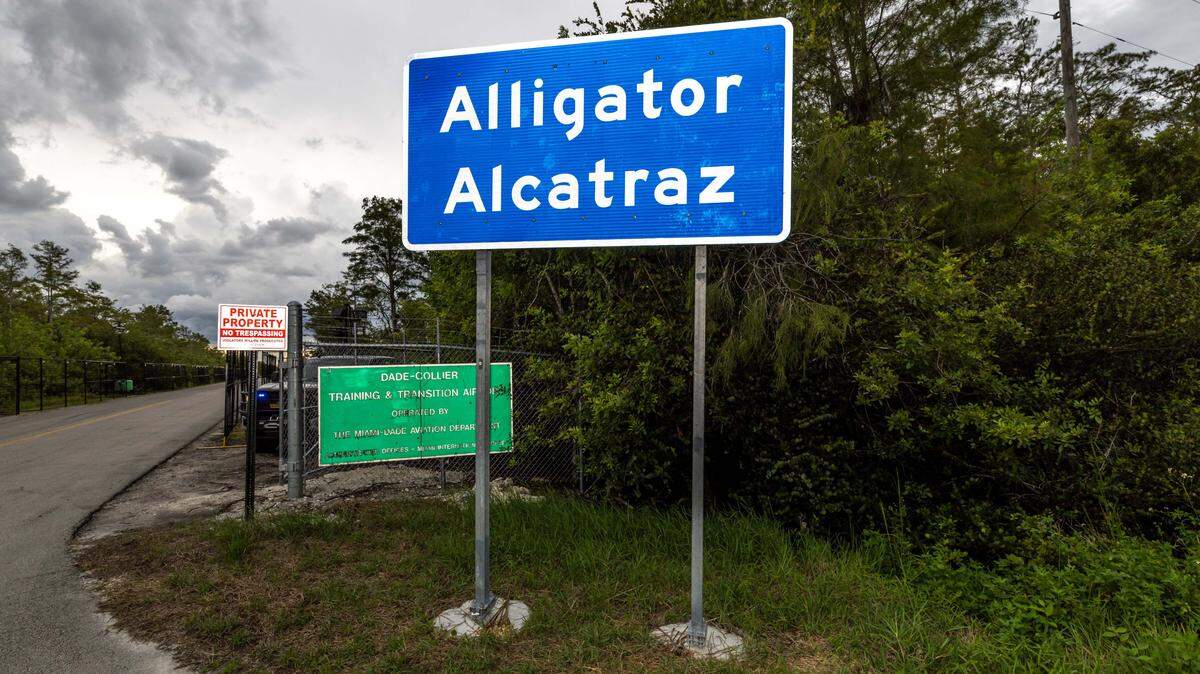
Maybe you think immigration is such a disaster that it qualifies as an emergency. But 20 times? And what about all that talk from the governor about DOGE and wasteful government spending? His expenditures should raise alarms for DOGE — and, even more, for taxpayers. Some examples of how that money was spent: more than $166,000 on restaurant bills and catering, $717,000 on travel — including a $203,000 private jet bill two days before Christmas — and at least $1.7 million on outside attorneys defending the state’s immigration detention centers in court. State records posted online and first reported by the Florida Phoenix show spending by the state Division of Emergency Management shot up since July. That’s just when Alligator Alcatraz opened in the swamps west of Miami.
No doubt some of it qualifies as an emergency: The state said the $203,000 flight was to fly Americans out of Israel. But what about $156,147 for “food products” with payments to at least 55 restaurants — many in the Tallahassee area, as the Herald said records show?
The state has said the federal government was going to reimburse Florida for immigration expenses like building Alligator Alcatraz. After all, immigration enforcement is a federal responsibility. So far, we haven’t seen the money. And, as the Herald has reported, Trump administration officials and court filings now indicate that reimbursement remains delayed and uncertain. This pushback is occurring as lawmakers face a deadline: the emergency fund is set to expire Monday unless both chambers pass identical legislation and send it to the governor. If they don’t, the money is absorbed into the general fund. Lawmakers would have to figure a new way to pay for emergencies. And DeSantis’ open-ended supply of cash would dry up.
The Senate had already voted to extend the existence of the fund, which sunsets every four years unless the Legislature re-authorizes it. Senate lawmakers voted 29-10 in favor. Democrats had attempted in vain to amend the bill, SB 7040, to impose more restrictions on when the administration could use the money. The sponsor, Sen. Ed Hooper, suggested that lawmakers pass the bill and then, afterward, they would have the “perfect opportunity to really dig into” how the state handles emergencies. So authorize the money first, figure out the rules later? We can only imagine how much more money DeSantis could spend in the meantime.
Critics have called this a slush fund. It’s not hard to see why. Floridians deserve better stewardship over their hard-earned money.
BEHIND THE STORY
MOREWhat's an editorial?
Editorials are opinion pieces that reflect the views of the Miami Herald Editorial Board, a group of opinion journalists that operates separately from the Miami Herald newsroom. Miami Herald Editorial Board members are: opinion editor Amy Driscoll and editorial writers Isadora Rangel and Mary Anna Mancuso. Read more by clicking the arrow in the upper right.
What's the difference between an op-ed and a column?
How does the Miami Herald Editorial Board decide what to write about?
The Editorial Board, made up of experienced opinion journalists, primarily addresses local and state issues that affect South Florida residents. Each board member has an area of focus, such as education, COVID or local government policy. Board members meet daily and bring up an array of topics for discussion. Once a topic is fully discussed, board members will further report the issue, interviewing stakeholders and others involved and affected, so that the board can present the most informed opinion possible. We strive to provide our community with thought leadership that advocates for policies and priorities that strengthen our communities. Our editorials promote social justice, fairness in economic, educational and social opportunities and an end to systemic racism and inequality. The Editorial Board is separate from the reporters and editors of the Miami Herald newsroom.
How can I contribute to the Miami Herald Opinion section?
The Editorial Board accepts op-ed submissions of 650-700 words from community members who want to argue a specific viewpoint or idea that is relevant to our area. You can email an op-ed submission to oped@miamiherald.com. We also accept 150-word letters to the editor from readers who want to offer their points of view on current issues. For more information on how to submit a letter, go here.