
Florida lawmakers want to rename an airport, but it’s more than a tribute to Trump | Opinion
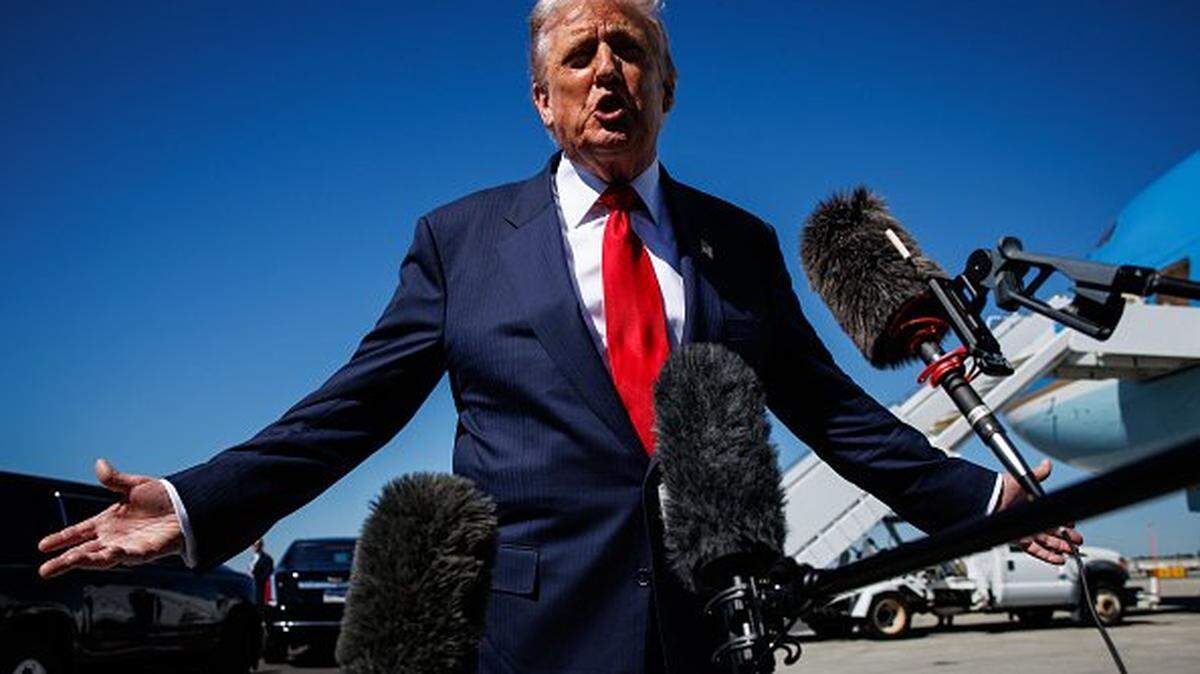
There’s been a troubling pattern emerging out of Tallahassee in recent years. The Florida Legislature is big-footing local governments. The latest example is a bill to rename Palm Beach International Airport as Donald J. Trump International Airport.
Under the proposal, Rep. Meg Weinberger, a Republican from Palm Beach Gardens, would give the authority of renaming Florida’s major commercial airports solely to the state, removing that power from local governments. At the moment, House Bill 919 is aimed mainly at PBIA — it would be the only airport, for now, that would see its name changed. Also, any name change would need Federal Aviation Administration approval.
But the bill doesn’t stop in Palm Beach County. It would allow legislators to change the names of other major commercial airports around the state, including Miami International Airport, Fort Lauderdale-Hollywood International Airport, Orlando International Airport and Tampa International Airport.
Why does the state Legislature believe it should have this power at all?
Lawmakers have become increasingly interested in preemption — the practice of issuing mandates that override local decision-making power. In recent years, lawmakers have passed laws that stopped cities and counties from setting heat protections for workers, prevented them from regulating vacation rentals and, now, would keep them from renaming their airports.
“The renaming of the airport is a tribute to leadership and legacy … in President Trump’s hometown,” Weinberg told the Palm Beach Post.
Maybe that’s something Trump’s hometown wants — at a cost of up to $6 million, the Palm Beach Post reported — but surely the people there should be the ones to decide. There’s also the questionable practice of naming an airport after a president who is still in office and lives a few miles away. It’s not a coincidence that PBIA is where Air Force One lands. It’s hard not to see all of this as an unbecoming attempt to curry favor.
Preemption of local government powers has been increasingly popular in Tallahassee. In 2024, when Miami-Dade County was considering creating heat protection rules for outdoor workers, such as rest breaks and access to water and shade, Gov. Ron DeSantis signed into law a bill that stopped counties from making those kinds of rules. There are an estimated 300,000 outdoor workers in Miami-Dade. The ostensible reasoning for the bill? Statewide consistency.
And back in 2021, there was the effort from Key West voters to put a stop to huge cruise ships coming into their docks and disgorging hundreds of tourists at once onto the tiny island. State lawmakers decided in that case, too, that they knew best: They passed a law that voided the efforts by Key West residents.
As the Miami Herald Editorial Board wrote back in 2020, the Legislature has tried to intrude on numerous local issues, from the ability to regulate vacation rentals to food delivery regulation or banning plastic straws. Again and again, the Legislature has asserted it knows best.
Republicans generally champion free markets and limited government. So why are lawmakers in the GOP-controlled Legislature so comfortable stepping all over local government decisions?
Lawmakers often frame the need for preemption as a desire for uniform standards. Maybe that’s the case sometimes, but underneath the words, this is little more than a continuing power grab by Tallahassee.
Democracy isn’t one-size-fits-all. The needs of Miami aren’t the same as those in Bradenton or Ocala. These communities have different needs, and local governments are better suited to address those differences.
This time it’s an airport, but this issue is bigger than one public facility in one county. A precedent is being set. Preemption transfers authority away from local governments and voters into the hands of state leaders, weakening home rule and distancing decisions from the people directly affected.
Renaming PBIA is more than a symbolic gesture. It’s one more step toward centralized control — one that treats local governments as hurdles to overcome rather than partners in serving all Floridians.
BEHIND THE STORY
MOREWhat's an editorial?
Editorials are opinion pieces that reflect the views of the Miami Herald Editorial Board, a group of opinion journalists that operates separately from the Miami Herald newsroom. Miami Herald Editorial Board members are: opinion editor Amy Driscoll and editorial writers Isadora Rangel and Mary Anna Mancuso. Read more by clicking the arrow in the upper right.
What's the difference between an op-ed and a column?
How does the Miami Herald Editorial Board decide what to write about?
The Editorial Board, made up of experienced opinion journalists, primarily addresses local and state issues that affect South Florida residents. Each board member has an area of focus, such as education, COVID or local government policy. Board members meet daily and bring up an array of topics for discussion. Once a topic is fully discussed, board members will further report the issue, interviewing stakeholders and others involved and affected, so that the board can present the most informed opinion possible. We strive to provide our community with thought leadership that advocates for policies and priorities that strengthen our communities. Our editorials promote social justice, fairness in economic, educational and social opportunities and an end to systemic racism and inequality. The Editorial Board is separate from the reporters and editors of the Miami Herald newsroom.
How can I contribute to the Miami Herald Opinion section?
The Editorial Board accepts op-ed submissions of 650-700 words from community members who want to argue a specific viewpoint or idea that is relevant to our area. You can email an op-ed submission to oped@miamiherald.com. We also accept 150-word letters to the editor from readers who want to offer their points of view on current issues. For more information on how to submit a letter, go here.