
Noem’s answer on Venezuelan TPS was misleading. In Miami, we know the truth | Opinion
Nicolás Maduro and his wife may be gone, but Venezuela has yet to change.
Since his capture on Saturday, there have been reports of the government interrogating people at checkpoints, boarding public buses and searching people’s phones for evidence of anyone who might be celebrating his ouster. Journalists and citizens have been detained, though most have been released according to the New York Times.
The U.S. now supports Maduro’s vice president, Delcy Rodriguez, who has been sworn in as interim president. However, there’s no evidence that it is any safer today for more than 600,000 Venezuelans in the U.S. to return home than it was when the Trump administration revoked their Temporary Protected Status last year.
Repression is alive in Venezuela and the Trump administration has yet to discuss tangible plans to bring back democracy.
It was wrong for the Department of Homeland Security to end Venezuela’s TPS, a program that protects people escaping nations in turmoil. And it’s wrong today for the Trump administration to continue to try to deport Venezuelan TPS holders and claim, as the DHS did in a social media post on Sunday, that they “can go home to a country that they love.”
The Trump administration may try to gaslight the American people that Venezuela is a safe country to return to (the administration has made similar outlandish claims about the conditions in Haiti, whose capital is largely run by violence gangs). But in Miami, where the largest Venezuelan community in the U.S. lives, many people understand how deceptive that claim is. Their own relatives back home can attest to that.
On Saturday, Miami Mayor Eileen Higgins called for the reinstatement of Venezuela’s TPS designation. She wrote in a statement: “The instability unfolding in Venezuela today makes it even clearer that the country remains unsafe for people to return.”
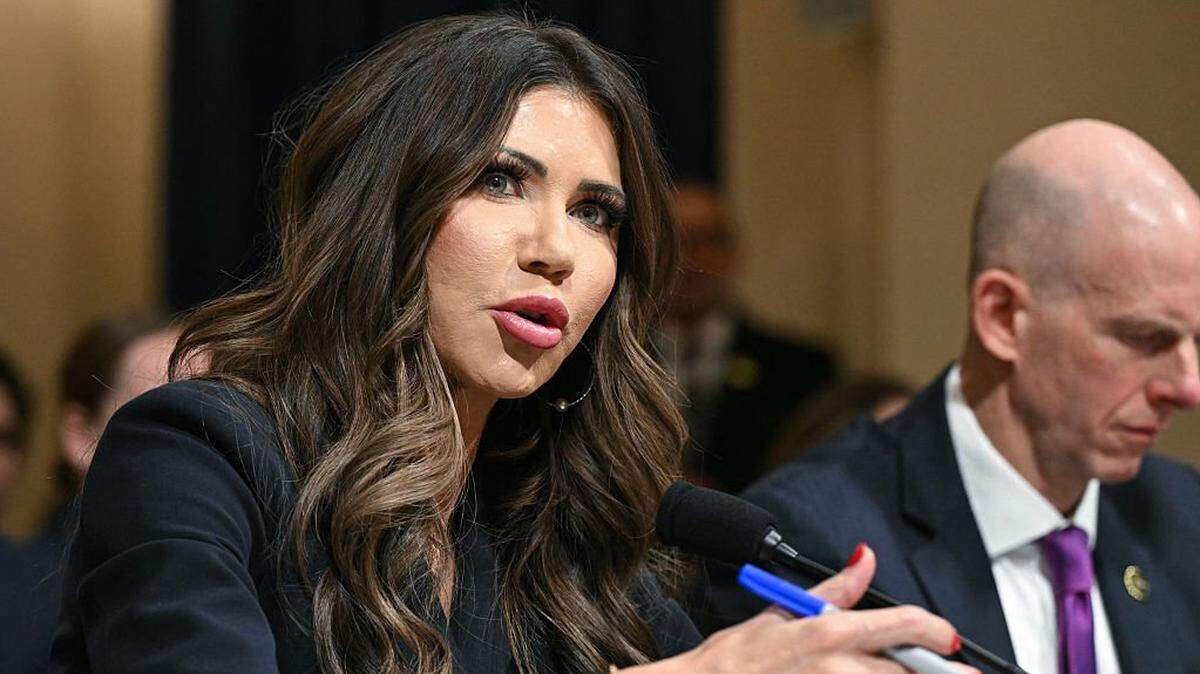
Asked about Higgins’ request, DHS Secretary Kristi Noem told Fox News on Sunday that “Venezuela today is more free” and “Every individual that was under TPS has the opportunity to apply for refugee status and that evaluation will go forward, but we need to make sure that our programs actually mean something and that we are following the law and that’s how that decision with TPS was made.”
That’s misleading, to say the least.
Under President Trump, the U.S. has capped the number of refugees who are resettled in the country at a record low, from 125,000 allowed per fiscal year under the Biden administration to 7,500 per year now. Most of those spots are reserved for Afrikaners from South Africa who Trump says, without evidence, are suffering anti-white persecution in their country. Also, according to the U.S. Citizenship and Immigration Services’ own website, a refugee is someone who is “located outside of the United States.” That’s not the case for TPS holders, who already live here.
Perhaps Noem meant to say Venezuelans could apply for a different immigration status: asylum, something that many Venezuelans have already done. But that too has been hampered by the administration.
In late November, Trump vowed to “permanently pause migration” from all “third world countries” after the shooting of two National Guard soldiers in Washington, D.C., allegedly by an Afghan man. DHS then paused all immigration applications — including for green cards and citizenship — from people of Venezuela, Cuba, Haiti and 16 other so-called “high risk” countries. The policy also paused all pending asylum claims, regardless of the applicant’s country of origin, the Herald reported.
Miami Republican U.S. Rep. Maria Elvira Salazar called the new policy “un-American.” It’s refreshing to hear a Republican defend South Florida’s immigrant community, which has contributed so much to the region. But, as the Herald Editorial Board wrote in December, more local Republicans must speak up as Trump’s immigration policies reach new extremes.
Since Maduro’s ouster, many Venezuelans have expressed the desire to eventually return to their country. That’s the ideal scenario, but just days after the U.S. invasion, it’s premature to say whether that is even a possibility. For now, the revocation of TPS remains what is has always been: an injustice.
BEHIND THE STORY
MOREWhat's an editorial?
Editorials are opinion pieces that reflect the views of the Miami Herald Editorial Board, a group of opinion journalists that operates separately from the Miami Herald newsroom. Miami Herald Editorial Board members are: opinion editor Amy Driscoll and editorial writers Isadora Rangel and Mary Anna Mancuso. Read more by clicking the arrow in the upper right.
What's the difference between an op-ed and a column?
How does the Miami Herald Editorial Board decide what to write about?
The Editorial Board, made up of experienced opinion journalists, primarily addresses local and state issues that affect South Florida residents. Each board member has an area of focus, such as education, COVID or local government policy. Board members meet daily and bring up an array of topics for discussion. Once a topic is fully discussed, board members will further report the issue, interviewing stakeholders and others involved and affected, so that the board can present the most informed opinion possible. We strive to provide our community with thought leadership that advocates for policies and priorities that strengthen our communities. Our editorials promote social justice, fairness in economic, educational and social opportunities and an end to systemic racism and inequality. The Editorial Board is separate from the reporters and editors of the Miami Herald newsroom.
How can I contribute to the Miami Herald Opinion section?
The Editorial Board accepts op-ed submissions of 650-700 words from community members who want to argue a specific viewpoint or idea that is relevant to our area. You can email an op-ed submission to oped@miamiherald.com. We also accept 150-word letters to the editor from readers who want to offer their points of view on current issues. For more information on how to submit a letter, go here.