
As Trump and Rubio eye Cuba and Colombia, danger grows for new era of interventionism | Opinion
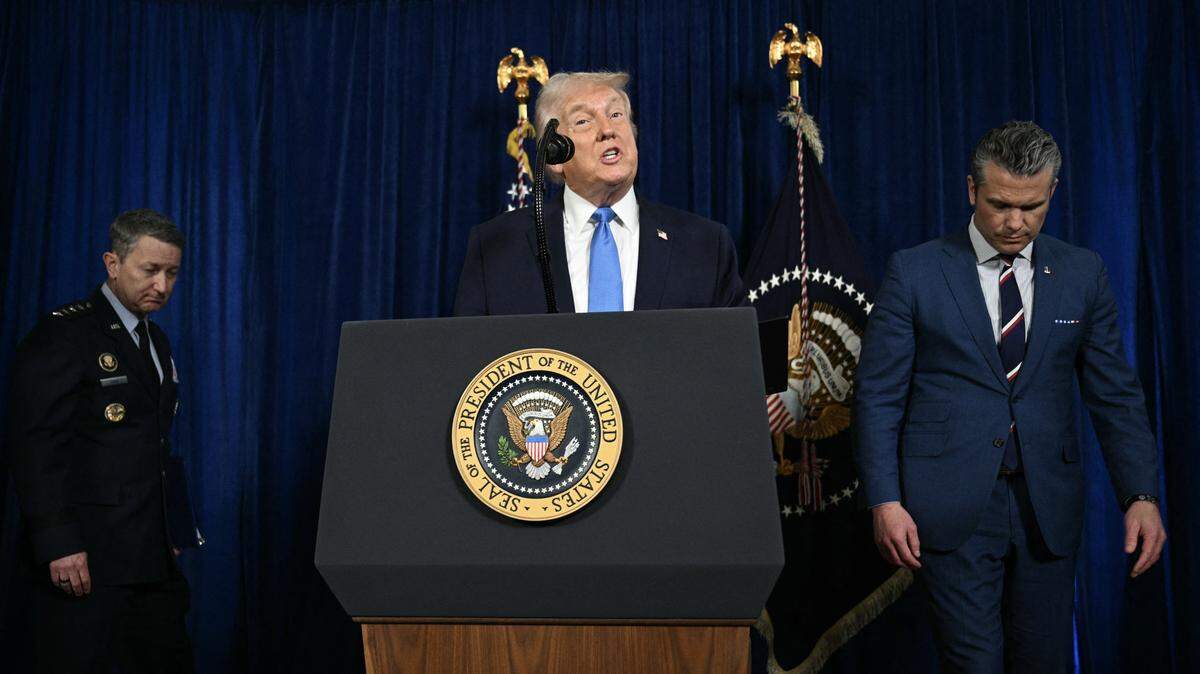
Right now, our attention is riveted on what happens next in Venezuela, but there’s a broader development that the U.S. — and Miami in particular — should be watching carefully: President Trump is using the attack as an opportunity to advance a “might makes right” new world order, and Colombia and Cuba are potentially in the crosshairs.
The threat isn’t subtle. “This is OUR Hemisphere, and President Trump will not allow our security to be threatened,” the State Department posted on X Monday.
A bold claim, and one that’s incredibly dangerous, even if this is posturing. The United States’ actions in Venezuela coupled with words like those from the Trump State Department could, of course, be seen as opening the door for China and Russia to act as we did. No matter how much Venezuelans deserved to see Nicolás Maduro out of power, the result must not be that force can be used by great powers whenever it suits them.
We heard Trump on Saturday, hours after the arrest of Maduro and his wife by U.S. forces in Venezuela, say that the Monroe Doctrine, the 200-year-old foreign policy agenda that viewed South and Central America as the United States’ strategic “backyard,” could be called the “Donroe Doctrine.”
That sure sounds like a Trump-style embrace of interventionism — or even American imperialism. Remember the boat strikes off Venezuela, largely regarded as illegal? Those American forces are still amassed in the Caribbean.
Trump may be viewing the Venezuela strike as a template for more of the same — even though he has repeatedly campaigned against “forever wars” in places like the Middle East. Also, we cannot forget America’s history of interfering in Latin America and propping up authoritarian regimes.
In the last few days, the president has made offhand threats toward various countries: Cuba “looks like it’s ready to fall” because it has no income from Venezuela, he said. Colombia is “run by a sick man who likes making cocaine and selling it to the United States. And he’s not going to be doing it for very long, let me tell you,” he told reporters on Sunday. Trump ignores that Colombians elected President Gustavo Petro, like him or not, in 2022.
Asked by reporters Sunday if the U.S. would launch a military operation against Colombia, Trump responded, “Sounds good to me.” Petro responded on X in his own style: “If you detain a president whom much of my people want and respect, you will unleash the people’s jaguar.”
Trump has had other recent targets, too, including Mexico and Denmark’s territory of Greenland, which Trump wants to annex. The prime minister of Denmark told Trump on Sunday to “stop the threats.”
Unlike Venezuela, Colombia is a democracy, as is Mexico. The leaders in those two countries were elected; they are not dictators. Cuba, though, is communist, and Secretary of State Marco Rubio, a Cuban-American from Miami whose parents left the island before Fidel Castro took power, called the government there “a huge problem,” on NBC’s Meet the Press on Sunday.
The Trump administration seems to be of two minds on Cuba. Cuba could fall on its own: The economy has been flat-lining and the ongoing U.S. blockade of Venezuelan oil along with Maduro’s ouster “places us in a critical existential dilemma for our survival,” Bruno Rodríguez Parrilla, Cuba’s foreign minister, said on Sunday.
Meanwhile, Rubio’s long-standing hostility toward Cuba may mean the U.S. is putting a target on the island nation. “If I lived in Havana and I worked in the government, I’d be concerned — at least a little bit,” Rubio said on Saturday. In Miami, where the hope of freeing Cuba from communism has been all-consuming for decades, those comments are likely to be embraced.
Will the Venezuela attack become a blueprint for more invention in Latin America, posing a potential threat to the stability of the region? An emboldened Trump administration seems to be saying so.
BEHIND THE STORY
MOREWhat's an editorial?
Editorials are opinion pieces that reflect the views of the Miami Herald Editorial Board, a group of opinion journalists that operates separately from the Miami Herald newsroom. Miami Herald Editorial Board members are: opinion editor Amy Driscoll and editorial writers Isadora Rangel and Mary Anna Mancuso. Read more by clicking the arrow in the upper right.
What's the difference between an op-ed and a column?
How does the Miami Herald Editorial Board decide what to write about?
The Editorial Board, made up of experienced opinion journalists, primarily addresses local and state issues that affect South Florida residents. Each board member has an area of focus, such as education, COVID or local government policy. Board members meet daily and bring up an array of topics for discussion. Once a topic is fully discussed, board members will further report the issue, interviewing stakeholders and others involved and affected, so that the board can present the most informed opinion possible. We strive to provide our community with thought leadership that advocates for policies and priorities that strengthen our communities. Our editorials promote social justice, fairness in economic, educational and social opportunities and an end to systemic racism and inequality. The Editorial Board is separate from the reporters and editors of the Miami Herald newsroom.
How can I contribute to the Miami Herald Opinion section?
The Editorial Board accepts op-ed submissions of 650-700 words from community members who want to argue a specific viewpoint or idea that is relevant to our area. You can email an op-ed submission to oped@miamiherald.com. We also accept 150-word letters to the editor from readers who want to offer their points of view on current issues. For more information on how to submit a letter, go here.