
Epstein’s victims, of all people, now have to demand the DOJ follow the law | Opinion
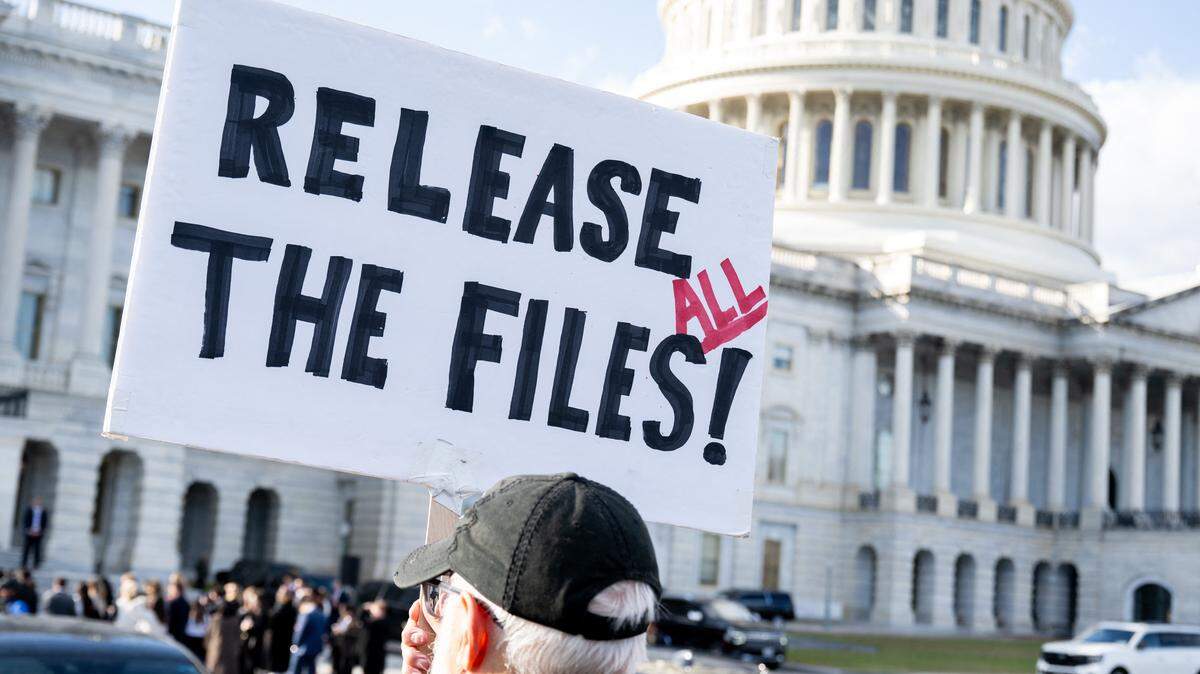
It shouldn’t require the most vulnerable people in the Jeffrey Epstein case — his victims — to demand that the Justice Department do what is both right and what it has been told to do by both the president and Congress: release all the department’s files on the case.
But that’s what is happening. A group of 19 women, including two Jane Does, issued a statement last week calling out a series of DOJ missteps in the release of the documents, including what they said were violations of the law. At the heart of it all: the failure by the department to meet the Dec. 19 deadline imposed by Congress to release the records the government gathered before Epstein’s death in 2019.
The release has been so slow that the top Democrat in the Senate, Minority Leader Chuck Schumer of New York, introduced a resolution last week threatening legal action against the Trump administration.
Only a fraction of files has been released so far, and the process has been a mess. Some documents were redacted “with no explanation,” while other documents were not redacted and wrongly revealed victims’ identities, the women alleged. Some documents were posted but later removed from the DOJ’s website. Some words on specific documents that were blacked out by the government could nonetheless be easily viewed, as internet sleuths quickly figured out, with little more than basic word processing skills, like highlighting text and pasting it into a new document.
Who’s in charge at the DOJ? Florida’s own Pam Bondi, named U.S. attorney general by President Trump hours after his first choice, fellow Floridian and former U.S. Rep. Matt Gaetz, backed out of the running amid concerns over sexual misconduct allegations and the nomination process.
Trump signed the Epstein Files Transparency Act a month ago, in November. The bill passed both the House and Senate with resounding bipartisan support. It required Bondi’s department to release “all unclassified records, documents, communications, and investigative materials” relating to Epstein within 30 days. And Bondi herself has repeatedly said, as recently as a press conference in November, that the department will continue to “follow the law and to have maximum transparency.”
We know the law allows the department to withhold the release of documents that would harm active investigations and to redact material to protect the identity of victims. No doubt some of this chaotic release of information is a result of the sheer number of victims — roughly 1,000 women.
But this is the U.S. Justice Department, not some tiny start-up with a handful of employees. There should be plenty of staff members and lawyers to process these files. And it’s not like we didn’t all see this coming. The Epstein case has been plaguing the Trump administration’s second term. In February, Bondi made the now-infamous claim to Fox News that she had the Epstein client list “sitting on my desk right now.” (The department later had to walk that statement back when it released a memo saying the client list did not actually exist.)
More important than that, though, is the sheer amount of time it has taken to get to this point in a case that was mishandled at least as far back as Epstein’s prosecution in Palm Beach County in 2008. For the victims to have to wait longer, now that both Congress and the president have agreed that the files must be released, is unconscionable.
One piece of information that did come to light in the documents released so far: a 1996 FBI form showing that Epstein victim Maria Farmer had complained that he had stolen naked pictures of her 12- and 16-year-old sisters. In other words, Epstein was on the FBI’s radar for a decade before the FBI investigated his alleged crimes in South Florida. Some of the victims have been waiting decades for all the information about Epstein to be exposed.
The Epstein files have fueled countless conspiracy theories revolving around the rich and powerful. And we can see why — even Miami Herald reporter Julie K. Brown, whose dogged reporting on the victims led to the Perversion of Justice series, recently learned that her flight information was in the files kept by the DOJ.
All this time, the victims have been waiting for some kind of justice. How much longer should they have to wait?
BEHIND THE STORY
MOREWhat's an editorial?
Editorials are opinion pieces that reflect the views of the Miami Herald Editorial Board, a group of opinion journalists that operates separately from the Miami Herald newsroom. Miami Herald Editorial Board members are: opinion editor Amy Driscoll and editorial writers Isadora Rangel and Mary Anna Mancuso. Read more by clicking the arrow in the upper right.
What's the difference between an op-ed and a column?
How does the Miami Herald Editorial Board decide what to write about?
The Editorial Board, made up of experienced opinion journalists, primarily addresses local and state issues that affect South Florida residents. Each board member has an area of focus, such as education, COVID or local government policy. Board members meet daily and bring up an array of topics for discussion. Once a topic is fully discussed, board members will further report the issue, interviewing stakeholders and others involved and affected, so that the board can present the most informed opinion possible. We strive to provide our community with thought leadership that advocates for policies and priorities that strengthen our communities. Our editorials promote social justice, fairness in economic, educational and social opportunities and an end to systemic racism and inequality. The Editorial Board is separate from the reporters and editors of the Miami Herald newsroom.
How can I contribute to the Miami Herald Opinion section?
The Editorial Board accepts op-ed submissions of 650-700 words from community members who want to argue a specific viewpoint or idea that is relevant to our area. You can email an op-ed submission to oped@miamiherald.com. We also accept 150-word letters to the editor from readers who want to offer their points of view on current issues. For more information on how to submit a letter, go here.
This story was originally published December 31, 2025 at 12:21 PM.