A needed change in Miami: Political dynasties lost big in the elections | Opinion
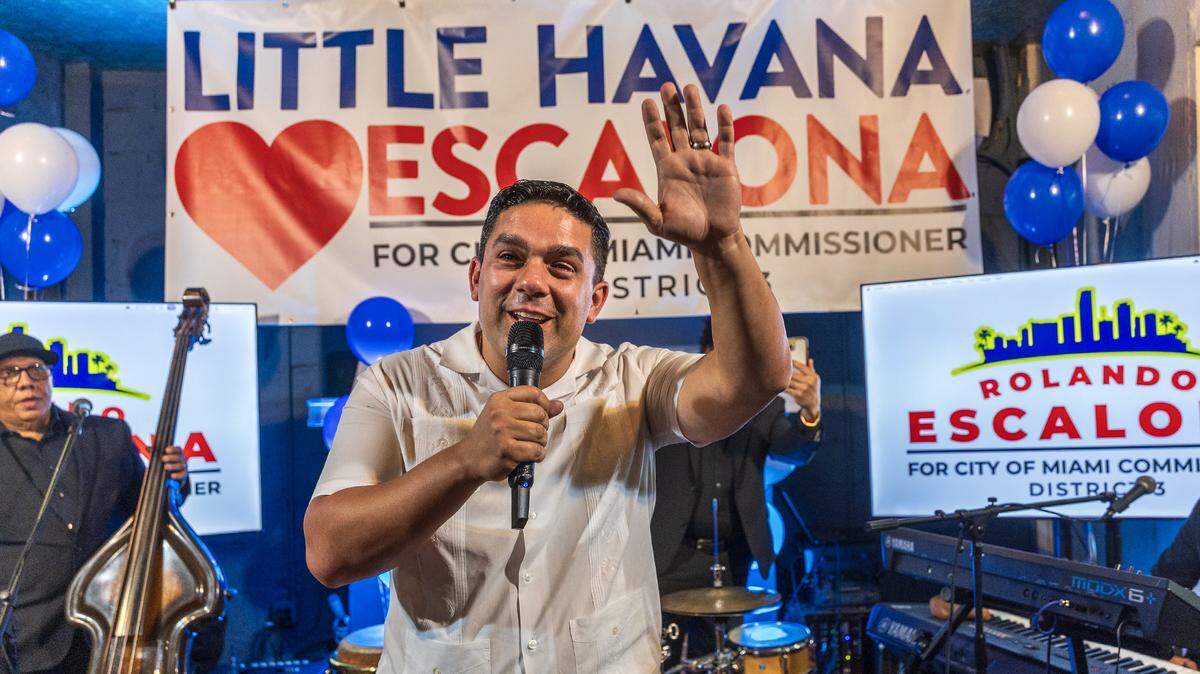
The Tuesday runoff elections helped mark the end — at least for now — of Miami’s political dynasties. These are families that have been in and out of power in local politics for decades, creating the image of a city with a revolving door for the politically connected. The election of newcomer and restaurant manager Rolando Escalona was the fourth defeat of a well-known political family this year.
Voters sent a clear message that they’re ready for new leadership. And that’s a good thing. It’s time the city turn the page with fresh leadership and new ideas, instead of commission and mayoral seats being largely occupied by the same people — and their relatives. Voters also overwhelmingly approved a ballot amendment that created a lifetime ban on serving more than two terms as mayor or commissioner.
These changes mark a generational turnover in the city of Miami and could reshape how local government works for its residents. There is an opportunity to take a fresh approach when it comes to issues such as housing and development.
Escalona, 34, defeated former Miami City Commissioner Frank Carollo in an election runoff — an upset that seemed unlikely after the November general election. Escalona will replace Carollo’s brother, Joe Carollo, who’s term-limited. Had Frank Carollo won the runoff, he and his brother would have served on the commission for 20 years in a row.
The makeup of Miami City Hall will look different not just because there won’t be a Carollo on the dais. Other Miami political families were defeated this year. Jose Regalado, the son of former Mayor Tomas Regalado and brother of County Commissioner Raquel Regalado, lost a special election in June. Xavier Suarez, a former mayor and father of outgoing Mayor Francis Suarez, lost his bid to return to his old job in November.
Former Commissioner Alex Diaz de la Portilla, a former state lawmaker who, along with his brothers, has long been involved in county politics, also didn’t make it far in the mayoral race. And Joe Carollo’s mayoral bid was also unsuccessful, even though he was the best funded candidate in the general election. In his case, voters might have been turned off less by his last name and more by his behavior on the dais and the $63.5 million federal judgment he’s facing.
These known last names didn’t even make it to the Tuesday mayoral runoff, which Eileen Higgins won against another political newcomer: former City Manager Emilio Gonzalez. Both ran on a platform of change and rejecting the city’s establishment.
The biggest surprise was Escalona’s victory. Not only was it unexpected, but it indicates the mood of voters. He received only 17% of the vote in a crowded November general election, compared to Frank Carollo’s 38%. Since neither candidate broke 50%, the District 3 race went to a runoff. And on Tuesday, Escalona pulled ahead with over 53% of the vote, according to the Miami Herald.
Escalona’s win highlights that District 3 voters were ready to break away from known candidates. Voters chose a new commissioner with an immigrant story — he emigrated from Cuba 11 years ago — and who didn’t have familial ties to city politics. And there was also whether Frank Carollo would have been able to serve without legal challenges because he surpassed the lifetime term limits voters approved.
The term limits may prevent future political dynasties from taking hold. In the meantime, it will be up to the newly elected leaders to govern with residents in mind and deliver meaningful change.
Miami voters have chosen change for City Hall — and we hope that reflects a new day in the city. There is a rare opportunity for a political reset. Not every problem will be solved overnight, but fresh perspective on the commission is a good starting point.