
And the voters, Miami-Dade Commission? Remember them when another seat is vacant | Opinion
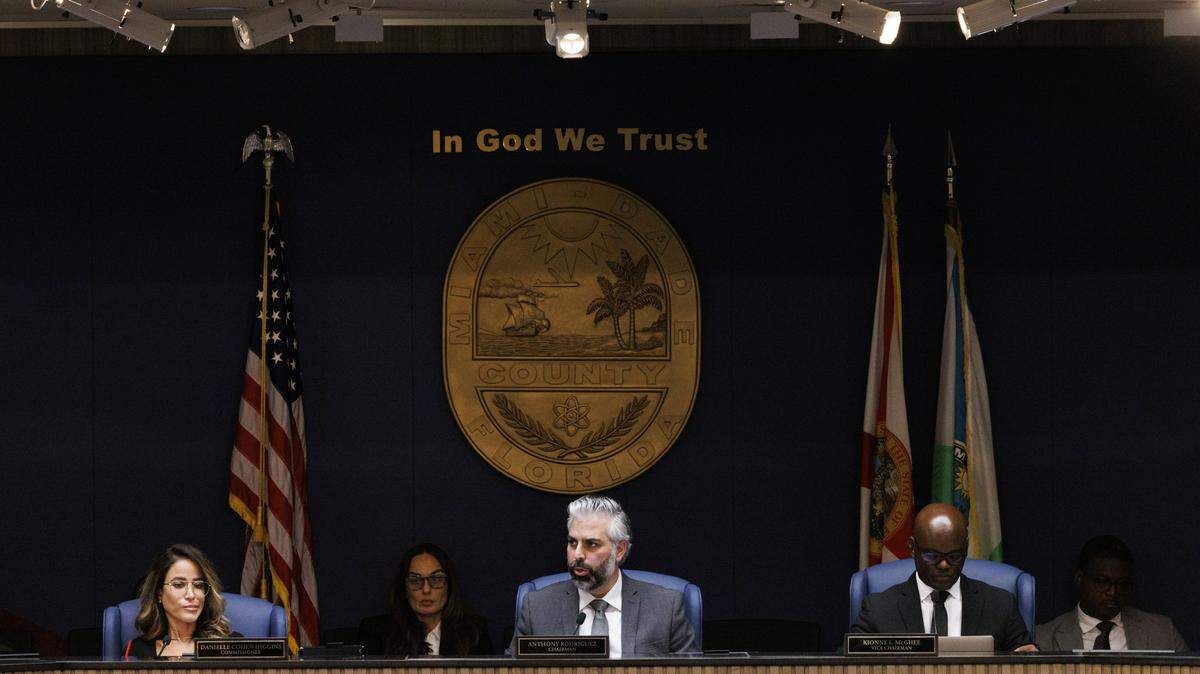
When in doubt, more voter representation is generally better than less of it.
The Miami-Dade County Commission forgot that lesson when it decided on Tuesday how to fill the seat vacated by Eileen Higgins, who resigned from District 5 to run for Miami mayor. The board narrowly voted to appoint a state lawmaker to replace her, instead of calling a special election, denying voters the opportunity to make that call.
This is not the first time this has happened in Miami-Dade. In fact, it was the third time in five years the commission picked a new commissioner when a seat became suddenly vacant, a process they have the ability to undertake under the county charter, the Herald reported.
The issue isn’t whom the commission chose to fill the District 5 office. It’s that constituents were shut out of the process.
The selection, by a 7-5 vote, of Republican state Rep. Vicki Lopez to replace Higgins was contentious, and not because Lopez was the choice. By most accounts, she’s a respected, moderate lawmaker who’s worked on important issues for South Florida, including condo reform after the Surfside building collapse in 2021. She was one of five people who applied for the commission appointment.
Unfortunately, the commission has gotten in the habit of picking winners and losers instead of deferring to voters. A special election would have cost taxpayers more money and left District 5 without a commissioner for longer — that’s a clear drawback. But it would have been more democratic and less dictated by people who are politically connected. Being on the commission of Florida’s largest county is a big job with a lot of power, including crafting a $12.9 million budget.
Commission Chair Anthony Rodriguez’s explanation for choosing an appointment was befuddling. In his view, it’s more democratic to opt against a special election, the Herald reported. Apparently, that’s based on the idea that Lopez will serve until August 2026, when Florida voters are already supposed to go to the polls in the midterm elections, making turnout higher than in a one-off special election.
“I am giving, with my vote, the constituents of District 5 a voice in their representative for the next three years,” Rodriguez said, according to the Herald.
That sounds like great, but if the commission had allowed voters to decide, the elected candidate would have had a full term until 2028, when Higgins was originally supposed to leave office. Instead, the county commission has given Lopez the advantage of incumbency in the August elections. Incumbents usually scare away other viable candidates who would rather sit out an election instead of challenging a well-funded opponent who’s better known.
During the Tuesday meeting, Rodriguez blocked an attempt by Commissioner Kionne McGhee to bring up a vote on whether to hold a special election. That would have likely put many commissioners in the awkward position of having to go on the record voting “no” on sending the issue to voters — not a good look.
It is not lost on us that the vigorous debate that happened Tuesday did not happen the last time the commission selected someone to fill a vacancy. When former Commissioner Kevin Cabrera resigned to become the U.S. ambassador to Panama, commissioners chose his replacement, Natalie Milian Orbis, in May with little controversy. In fact, McGhee was among the nine commissioners who voted for her appointment (three voted against it).
The sudden push for a more voter-inclusive process may have underlying political motives, but, in essence, it is still the better route. Holding a special election is expensive and inconvenient, but the overriding factor should be what’s best for the community.
From now on, the Miami-Dade County Commission should take note: Don’t do what’s easiest. Instead, err on the side of more voter representation.
BEHIND THE STORY
MOREWhat's an editorial?
Editorials are opinion pieces that reflect the views of the Miami Herald Editorial Board, a group of opinion journalists that operates separately from the Miami Herald newsroom. Miami Herald Editorial Board members are: opinion editor Amy Driscoll and editorial writers Isadora Rangel and Mary Anna Mancuso. Read more by clicking the arrow in the upper right.
What's the difference between an op-ed and a column?
How does the Miami Herald Editorial Board decide what to write about?
The Editorial Board, made up of experienced opinion journalists, primarily addresses local and state issues that affect South Florida residents. Each board member has an area of focus, such as education, COVID or local government policy. Board members meet daily and bring up an array of topics for discussion. Once a topic is fully discussed, board members will further report the issue, interviewing stakeholders and others involved and affected, so that the board can present the most informed opinion possible. We strive to provide our community with thought leadership that advocates for policies and priorities that strengthen our communities. Our editorials promote social justice, fairness in economic, educational and social opportunities and an end to systemic racism and inequality. The Editorial Board is separate from the reporters and editors of the Miami Herald newsroom.
How can I contribute to the Miami Herald Opinion section?
The Editorial Board accepts op-ed submissions of 650-700 words from community members who want to argue a specific viewpoint or idea that is relevant to our area. You can email an op-ed submission to oped@miamiherald.com. We also accept 150-word letters to the editor from readers who want to offer their points of view on current issues. For more information on how to submit a letter, go here.