
Miami-Dade changed its name. Happily, Broward seems to have more sense | Opinion
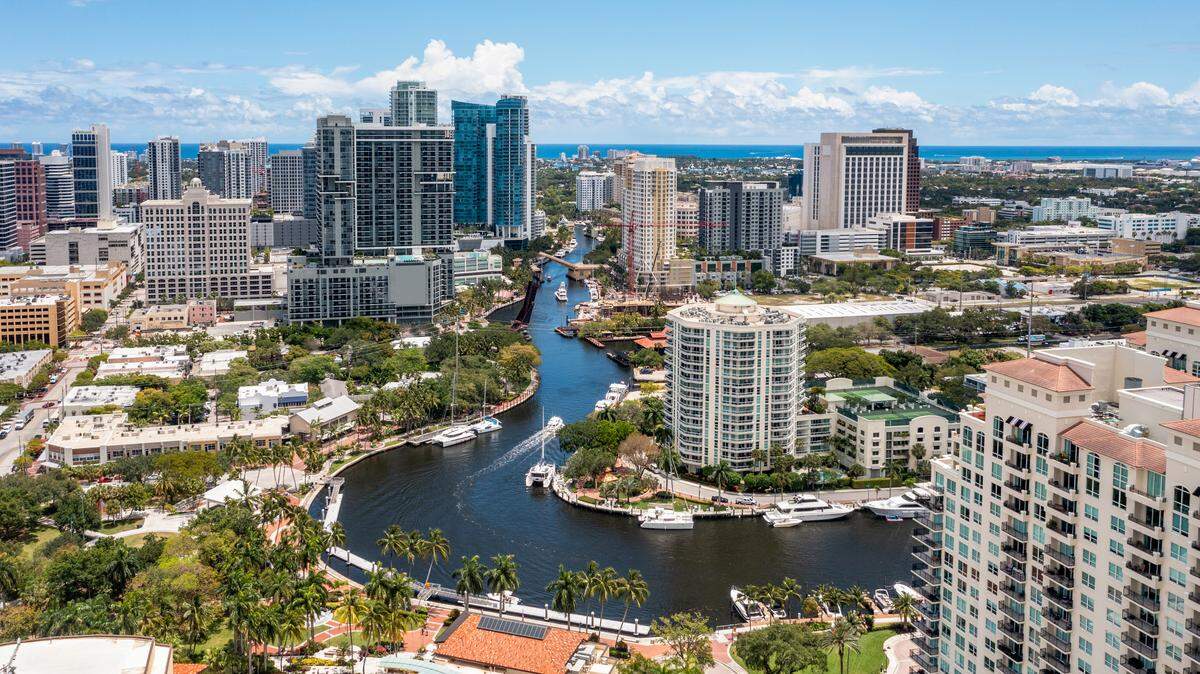
A proposal to change Broward County’s name to Lauderdale County has hit a brick wall of opposition, and we certainly aren’t wondering why. Just look at Miami-Dade County’s history.
Miami-Dade used to be plain old Dade County until voters agreed in 1997 — after rejecting the idea at least four times since 1958 — to change it. The new name was supposed to give the county a stronger association with Miami, which would be more marketable for business and investment, according to community leaders.
The vote wasn’t exactly a resounding yes: Only about 12% of voters cast ballots on the name change, with slightly more than 45,000 voting for it and about 42,000 against.
And then there was the campaign to get it passed. It was launched just a week before the election, the Miami Herald reported in 1997, and was financed by corporate Miami, especially tourism-related companies. Some Miamians called it a “stealth” campaign.
The county mayor at the time, Alex Penelas, insisted there was “a magic to the name Miami. Quite frankly, no one knows what Dade County is. By adding Miami to our county’s name, we will be able to better identify and market our community throughout the world.”
Maybe. Miami-Dade has grown since then, from about 2.1 million people in 1997 to about 2.7 million today. We have billionaires and towering skyscrapers and strong tourism. Depending on whom you ask, we’re the new crypto capital, the Wall Street of the South, home of Art Basel or a party zone for celebrities. But all of that probably has more to do with our beaches and weather and business community than any hyphenated name change concocted by community leaders with an excessive amount of faith in marketing.
Penelas, a key backer of the 1997 plan, promised voters that the change wouldn’t cost taxpayers “an additional dime,” directing county employees not to order new stationery or business cards. He said the logo on county cars and signs wouldn’t change until the property needed to be replaced. But another Herald story, about two weeks after the election — “Dade’s new name spells confusion” — said the county had never done a cost analysis.
Even the Miami Herald Editorial Board, which in previous elections had opposed name changes, recommended it in 1997, saying that changing the county’s name “to Miami-Dade County is akin to prescribing chicken soup for a bad cold. Can’t hurt, might help.”
That’s not exactly a full-throated recommendation, though. And happily, people in Broward seem to have more sense. A poll conducted last week found county voters “overwhelmingly opposed” to the idea, with 80% against and, of those, 68% “strongly” opposed, according to a Sun Sentinel story on Tuesday. Just 7% supported the idea. That’s a clear message.
Those surveyed obviously didn’t buy the idea that rebranding the county would boost the economy. The main argument for it is much the same as it was 18 years ago in the Miami-Dade name change: People recognize Fort Lauderdale more than Broward. And, again like Miami-Dade, a business group has been pushing the idea.
The poll raised questions about cost, misplaced priorities — an “unnecessary endeavor” that would take attention away from issues such a flooding or affordable housing — and cost. About 86% of those surveyed found it a convincing argument that the change could cost taxpayers millions.
Also, Broward County is named after Napoleon Bonaparte Broward, the 19th governor of the state, while Fort Lauderdale’s name comes from Maj. William Lauderdale of Tennessee, who fought with Andrew Jackson in Florida’s Seminole Wars of the 1800s. The Seminole Tribe’s current headquarters are in Hollywood, which is in Broward.
Beyond the polling results, there was other important pushback this week. Broward legislative delegation members were either opposed to the idea or wanted to know what the Broward County Commission thought. The commission, it turned out, was opposed. The idea was officially cooked.
That’s when state Rep. Chip LaMarca, a Broward Republican who had initially had filed legislation to put the question on the 2026 ballot, pulled the bill. He’s not sorry he brought it up, he told the Sentinel, and said he’ll support any future efforts. He’ll be out of the Florida House, though, due to term limits.
Will the idea stay gone? Not if Miami-Dade is any guide. But Broward residents have spoken up, and strongly. This change is unnecessary. Voters have other priorities, and politicians should, too.
BEHIND THE STORY
MOREWhat's an editorial?
Editorials are opinion pieces that reflect the views of the Miami Herald Editorial Board, a group of opinion journalists that operates separately from the Miami Herald newsroom. Miami Herald Editorial Board members are: opinion editor Amy Driscoll and editorial writers Isadora Rangel and Mary Anna Mancuso. Read more by clicking the arrow in the upper right.
What's the difference between an op-ed and a column?
How does the Miami Herald Editorial Board decide what to write about?
The Editorial Board, made up of experienced opinion journalists, primarily addresses local and state issues that affect South Florida residents. Each board member has an area of focus, such as education, COVID or local government policy. Board members meet daily and bring up an array of topics for discussion. Once a topic is fully discussed, board members will further report the issue, interviewing stakeholders and others involved and affected, so that the board can present the most informed opinion possible. We strive to provide our community with thought leadership that advocates for policies and priorities that strengthen our communities. Our editorials promote social justice, fairness in economic, educational and social opportunities and an end to systemic racism and inequality. The Editorial Board is separate from the reporters and editors of the Miami Herald newsroom.
How can I contribute to the Miami Herald Opinion section?
The Editorial Board accepts op-ed submissions of 650-700 words from community members who want to argue a specific viewpoint or idea that is relevant to our area. You can email an op-ed submission to oped@miamiherald.com. We also accept 150-word letters to the editor from readers who want to offer their points of view on current issues. For more information on how to submit a letter, go here.