
Chemtrails and dubious cancer cures: Florida is a bizarre conspiracy theory haven | Opinion
Floridians have long been known to have a healthy skepticism of government and embrace personal freedom. But now the state is experiencing the toxic combination of these values with the anti-scientific-establishment movement that’s grown since the pandemic.
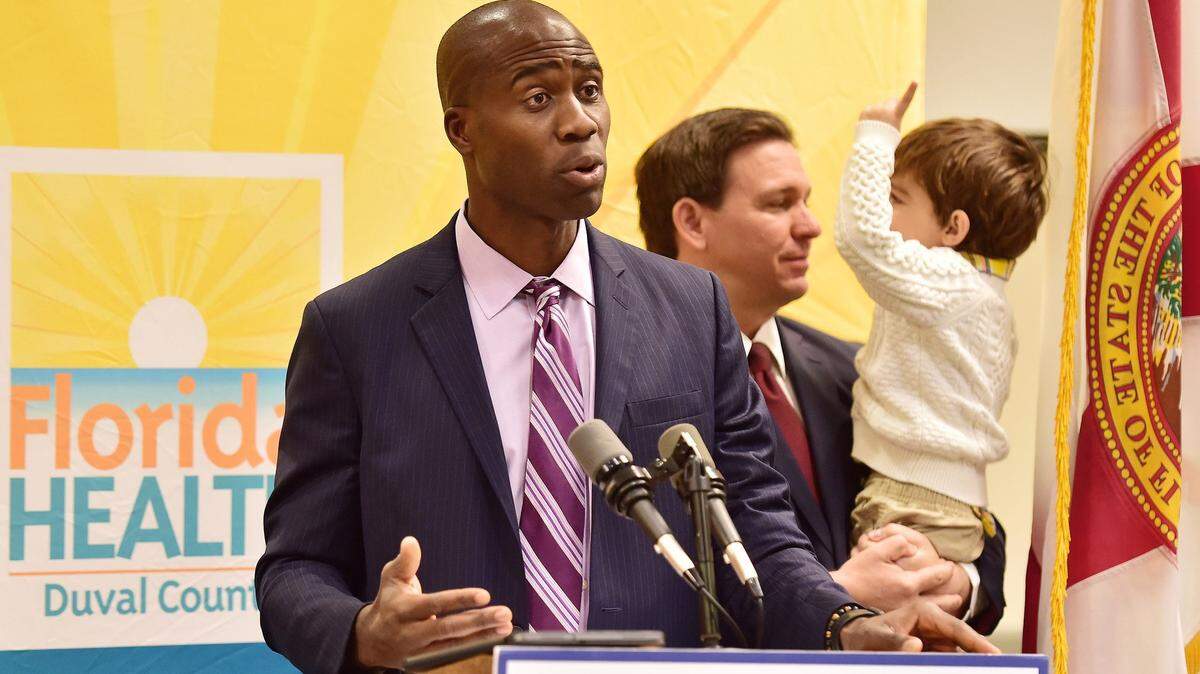
The problem isn’t that Floridians may have diverging opinions on COVID-19 vaccines or the pharmaceutical industry. It’s that the state’s leaders — mainly the governor and surgeon general — are endorsing dangerous public health decisions, such as ending childhood vaccination mandates for highly-contagious diseases like measles.
And they are expanding their reach with the growing popularity of the Make America Healthy Again (MAHA) movement led by U.S. Secretary of Health and known vaccine skeptic Robert. F. Kennedy, Jr.
And it just keeps getting more bizarre. A recent event in Venice shows there’s no fantastical, absurd thinking that’s too much for MAHA.
The Oct. 2 event in Sarasota County — “The 3 Big C’s: Courage, Censorship & Cancer” — honored Florida Surgeon General Joseph Ladapo and his wife, plus “an unlicensed Canadian radiologist who treats cancer with horse paste,” KFF Health News reported. The event was sponsored by a clinic founded by a “Jan. 6 marcher,” according to KFF.
There’s no more notable intersection of today’s conspiracy theories — from vaccine to election denial — than this. Anti-science sentiment is not new in American history, but now it is rubber-stamped by people in some of the highest positions of power in the nation’s third-largest state.
And who are they listening to?
Radiologist William Makis, a keynote speaker at the event, lost his medical license in 2019, the KFF story said, and now uses antiparasitic drugs such ivermectin as a cancer treatment. Ivermectin was also pushed as a treatment for the coronavirus, including by Ladapo, but studies have shown it was not effective.
After listening to actor Mel Gibson talk about the benefits of ivermectin on a podcast, Florida First Lady Casey DeSantis, a cancer survivor, has announced some of the state’s new $60 million cancer research fund will go into researching the drug. Studies have shown ivermectin could have anticancer effects, but there is no evidence yet that it is effective to treat the disease in humans, the Washington Post reported. Florida has not announced who will conduct the research, which will certainly affect whether the results can be trusted. There’s plausible concern that the desired outcomes will dictate the process.
Ladapo’s wife, Brianna Ladapo, who chaired a panel at the Venice event, says she listens to angels and has written that “sinister forces” created the pandemic to “frighten the masses to surrender their sovereignty to a small group of tyrannical elites,” the story said. On a recent podcast, she claimed “chemtrails” — another favorite topic of conspiracy theorists — shaped like a pentagram were “outside our house for the last few weeks” and had made her and her sons sick, KFF reported.
To be clear, Joseph Ladapo hasn’t publicly endorsed his wife’s views. He did appear in a 2020 news conference on the steps of the U.S. Supreme Court organized by a fringe group called “America’s Frontline Doctors” that included another doctor who previously claimed some female medical issues are caused by having sex with demons. The group pushed for hydroxychloroquine as a cure for the coronavirus (clinical trials have found the drug doesn’t work.)
Demons, pentagram-shaped chemtrails and unproven treatments for cancer may sound like the stuff that only tinfoil-hat wearers would believe. But public distrust in American institutions, including healthcare, has pushed many regular people to look for alternative views on medicine.
We understand why Americans distrust “Big Pharma” and the medical establishment. Their record is far from spotless. Pharmaceutical companies, for example, helped create the opioid crisis by flooding the market with addictive prescription drugs. That’s enough to shake anyone’s trust.
But Florida has now moved to the other extreme, where treatments like vaccines, that have been studied and proven, are dismissed. Those that haven’t — or have been proven not to work — are upheld as a silver bullet that an obscure elite has supposedly hidden to keep us sick.
Ladapo and others may say they are protecting medical freedom, but Florida is looking more like it’s pandering to dangerous and bizarre conspiracy theories.
BEHIND THE STORY
MOREWhat's an editorial?
Editorials are opinion pieces that reflect the views of the Miami Herald Editorial Board, a group of opinion journalists that operates separately from the Miami Herald newsroom. Miami Herald Editorial Board members are: opinion editor Amy Driscoll and editorial writers Isadora Rangel and Mary Anna Mancuso. Read more by clicking the arrow in the upper right.
What's the difference between an op-ed and a column?
How does the Miami Herald Editorial Board decide what to write about?
The Editorial Board, made up of experienced opinion journalists, primarily addresses local and state issues that affect South Florida residents. Each board member has an area of focus, such as education, COVID or local government policy. Board members meet daily and bring up an array of topics for discussion. Once a topic is fully discussed, board members will further report the issue, interviewing stakeholders and others involved and affected, so that the board can present the most informed opinion possible. We strive to provide our community with thought leadership that advocates for policies and priorities that strengthen our communities. Our editorials promote social justice, fairness in economic, educational and social opportunities and an end to systemic racism and inequality. The Editorial Board is separate from the reporters and editors of the Miami Herald newsroom.
How can I contribute to the Miami Herald Opinion section?
The Editorial Board accepts op-ed submissions of 650-700 words from community members who want to argue a specific viewpoint or idea that is relevant to our area. You can email an op-ed submission to oped@miamiherald.com. We also accept 150-word letters to the editor from readers who want to offer their points of view on current issues. For more information on how to submit a letter, go here.