
Rich Miami Beach residents want gated public road, a luxury most of us can’t have | Opinion
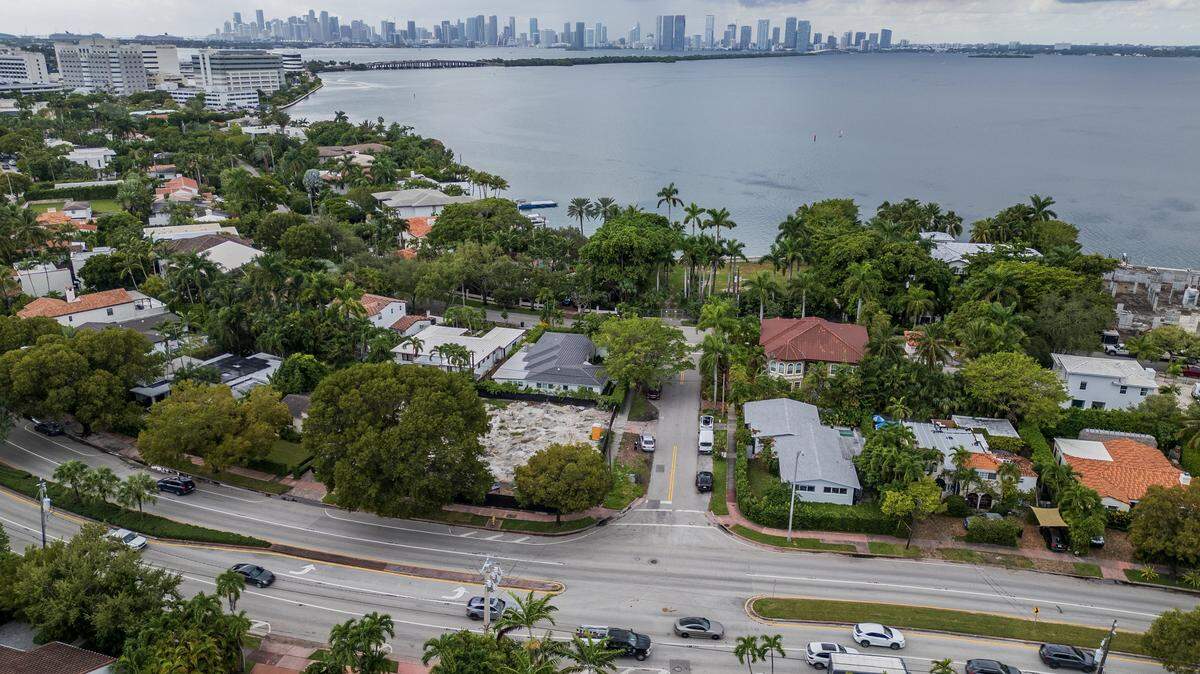
Traffic, theft or burglaries are not unique to any particular street of Miami Beach, but the city is exploring a way to give some wealthy residents their own de facto gated enclave, protected from the downsides of urban living that most of us have to contend with.
North Bay Road, where celebrities like Shakira own homes, is a public road. We assume its residents knew that when they chose to live there instead of one of the many luxury gated communities across South Florida. Now there is a push to erect gates at the road’s entry points because residents there are concerned about car thefts and other property crimes. However, based on the Herald’s reporting, there is no evidence so far that this particular street has higher crime rates than the rest of the city.
Under the proposal, North Bay Road would remain open to the public but drivers could be asked to provide identification before they are allowed to pass through the gates, the Herald reported this week.
This idea wouldn’t be quite so egregious if we could argue in good faith that gating North Bay Road wouldn’t affect the rest of Miami Beach residents and visitors. But when it comes to traffic, it certainly seems like it will.
The $200,000 to $300,000 annual cost of adding the gates and security would be shouldered by the residents of North Bay Road, via a special taxing district that needs to be approved by the City Commission, the county and by voters in the neighborhood. And there’s a precedent on the Beach for gating wealthy neighborhoods. Think of Star Island or Normandy Shores.
One key difference: Those other gated communities are separated from Miami Beach’s main traffic grid by water. North Bay Road runs parallel to a major thoroughfare, Alton Road, and is often used as an alternative road by drivers trying to avoid traffic, the Herald reported.
With the rising popularity of driving apps like Waze, known for diverting drivers to less-congested backstreets, North Bay Road may have seen an increase in cars speeding down residential areas. That’s a real concern, but it’s not unique. Other neighborhoods in Miami-Dade County are dealing with the same problem, including Shenandoah in the city of Miami, as several candidates running for city commission told the Herald Editorial Board.
Erecting a gate shouldn’t be the only option, especially when there is a legitimate concern that would create more traffic nearby. Some residents of Alton Road and surrounding areas oppose the proposal for this exact reason. One of them told a Herald reporter he fears that cars waiting to pass through a gate could end up queuing next to his house. They also say crime isn’t unique to North Bay Road.
“North Bay Road is a through street, it always was a through street, and that’s it. That’s the geography of Miami Beach,” Adam Kravitz, the president of the Alton Road Homeowners and Residents Association, told a Herald reporter.
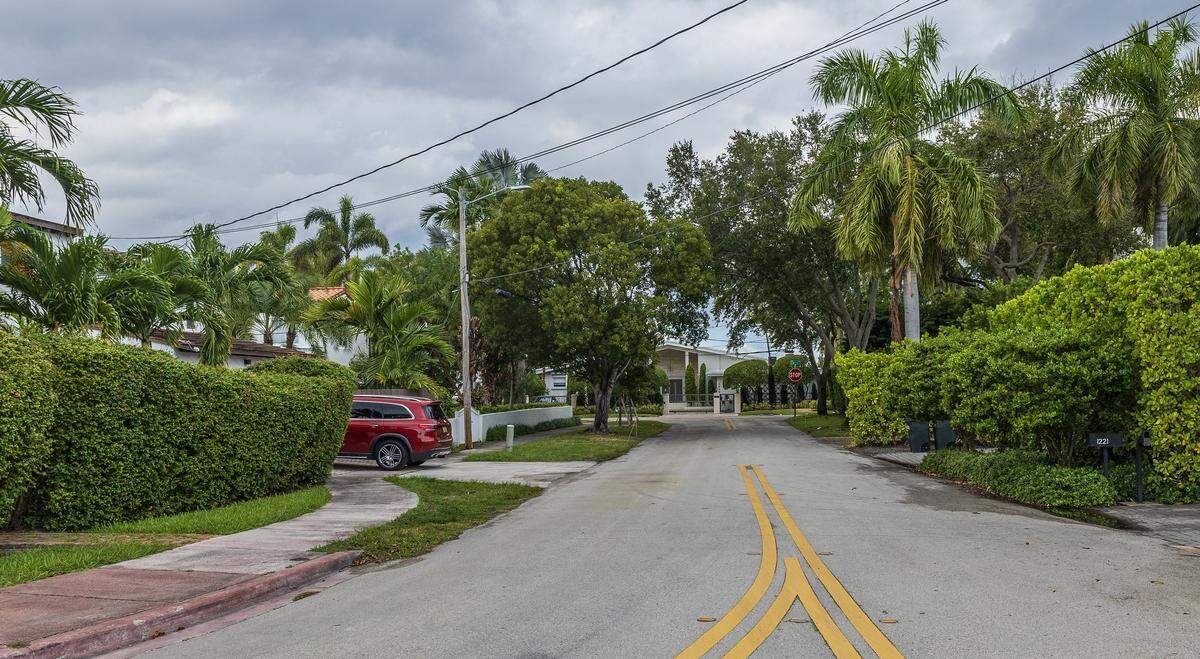
This leads to a more philosophical question: Can the rich buy their way into privacy and security by changing a public landscape — something other residents cannot afford — especially when there’s a strong likelihood that would affect quality of life far beyond that neighborhood? Adding gates and security would, no doubt, raise property values on North Bay Road, but could it hurt property values for others, as opponents fear?
We cannot blame the residents of North Bay Road for trying to protect their homes. As one them told the Herald, it’s reasonable to want to gate a neighborhood that contains “the best assets in Miami Beach,” though we don’t believe some assets deserve more protection than others.
It is incumbent on the City Commission to make a decision that takes into consideration what’s best for the whole city. A middle ground could be allowing the special tax district to pay for additional security without erecting gates.
South Florida does benefit from its wealthy residents through philanthropy, taxes and in other important ways. But, in this case, Miami Beach also has other residents to consider.
BEHIND THE STORY
MOREWhat's an editorial?
Editorials are opinion pieces that reflect the views of the Miami Herald Editorial Board, a group of opinion journalists that operates separately from the Miami Herald newsroom. Miami Herald Editorial Board members are: opinion editor Amy Driscoll and editorial writers Isadora Rangel and Mary Anna Mancuso. Read more by clicking the arrow in the upper right.
What's the difference between an op-ed and a column?
How does the Miami Herald Editorial Board decide what to write about?
The Editorial Board, made up of experienced opinion journalists, primarily addresses local and state issues that affect South Florida residents. Each board member has an area of focus, such as education, COVID or local government policy. Board members meet daily and bring up an array of topics for discussion. Once a topic is fully discussed, board members will further report the issue, interviewing stakeholders and others involved and affected, so that the board can present the most informed opinion possible. We strive to provide our community with thought leadership that advocates for policies and priorities that strengthen our communities. Our editorials promote social justice, fairness in economic, educational and social opportunities and an end to systemic racism and inequality. The Editorial Board is separate from the reporters and editors of the Miami Herald newsroom.
How can I contribute to the Miami Herald Opinion section?
The Editorial Board accepts op-ed submissions of 650-700 words from community members who want to argue a specific viewpoint or idea that is relevant to our area. You can email an op-ed submission to oped@miamiherald.com. We also accept 150-word letters to the editor from readers who want to offer their points of view on current issues. For more information on how to submit a letter, go here.