
What’s Miami-Dade College afraid of? Re-do Trump Library hearing | Opinion
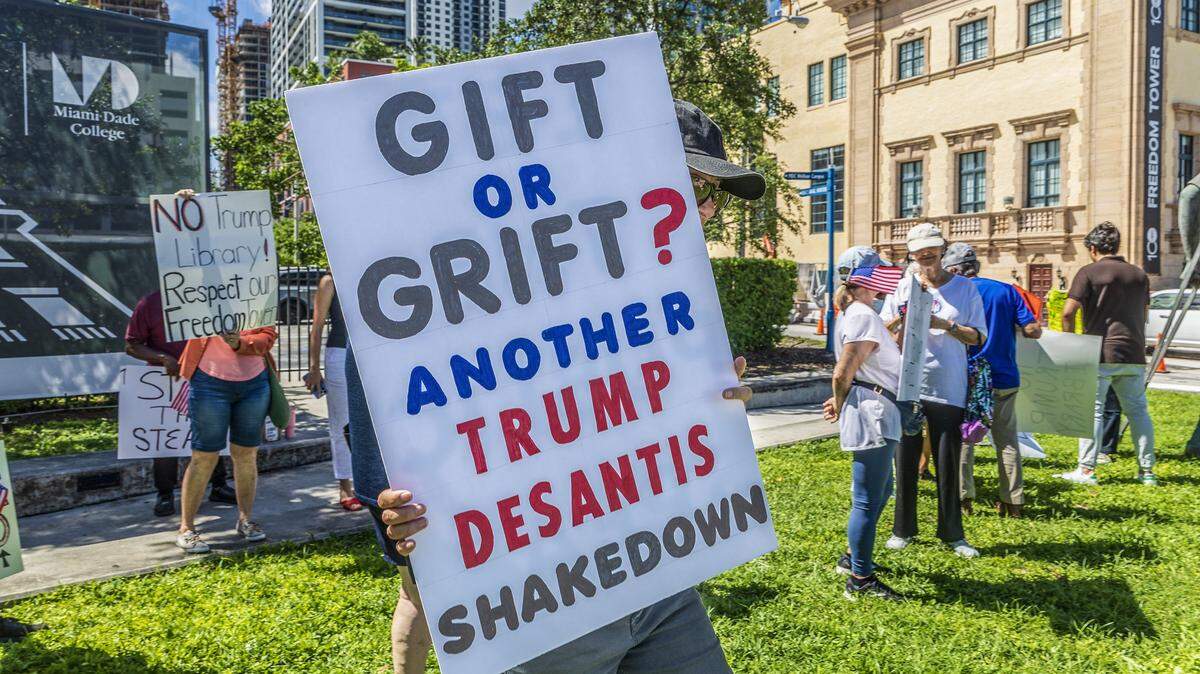
Miami-Dade County taxpayers aren’t fools. The September vote by our renowned state college to give away public property in downtown — worth $67 million — for Donald Trump’s presidential library looked like a done deal from the start.
Now that the Miami-Dade College Board of Trustees has been taken to court on the issue, we can more clearly see the institution’s resistance to transparency.
The college has been fighting a lawsuit brought by historian Marvin Dunn that alleges the Board did not follow Florida’s Sunshine Law by failing to give “reasonable notice” to the public of its plans to give the land to the state ahead of the Sept. 23 vote. A judge blocked the land transfer earlier this month until a final verdict is reached.
The Board of Trustees has the option of holding another publicly noticed meeting to discuss the transfer of the 2.6-acre site, the remedy Dunn has sought. Instead, the college’s lawyers have opted to continue the legal fight. Its lawyers plan to take the case to an appeals court where almost half the judges were appointed by Gov. Ron DeSantis. DeSantis also appointed several of the college trustees.
When the trustees announced they would meet in September, they said d it was to “discuss potential real estate transactions” but gave no other details, the Herald reported.
There was no public debate. No site plans or renderings provided by the Donald J. Trump Presidential Library Foundation. Just a seemingly rushed vote to satisfy Florida’s political class. The following week, the Republican-controlled Florida Cabinet — comprised of the attorney general, the chief financial officer and the agriculture commissioner, with DeSantis as chair — unanimously voted to finalize the deal.
Public debate and transparency would have probably drawn crowds of protesters, which might be what the college is trying to avoid now in court. A recent poll found that most Miami-Dade voters oppose giving the land away to Trump.
And this is not just any land. It sits next to the Freedom Tower, a symbol of Miami’s immigrant roots, a building now expected to share the Miami skyline with a library celebrating America’s most anti-immigrant president in recent history. How ironic.
This is also prime real estate in the middle of downtown that Miami-Dade College purchased in 2004 to expand its nearby campus. It had previously been considered for commercial development but no deals went through because they didn’t meet the college’s demands. Now, suddenly, the trustees give it away, for free, no questions asked.
The only requirement the Florida Cabinet imposed on the land transfer is that it become “a Presidential library, museum, and/or center” within five years, leaving the door open for a wide scope of options, the Herald reported. The Trump team has reportedly discussed building a hotel on the property, which sits at the gateway to PortMiami.
That raises questions: Is the Trump Foundation getting public land for a library that supporters say will attract tourists and investments to Miami, a worthy goal? Or is this another real estate deal for the president, courtesy of taxpayers?
We need a public hearing to answer those questions. Miami-Dade College trustees probably would have to sit for hours listening to public support and opposition. That would be a tough job but it’s the least we can expect from the stewards of our public institutions.
The search process for the library site was so secretive that not even the trustees received information about what the land would be used for ahead of the September vote to give up the property to the state, the Herald reported, based on comment from the Board’s vice chairman and records provided by the college.
In the end, Miami-Dade County has been stuck with a hush-hush deal that the public knows little about. We cannot accept this is just the way things are in the age of Trump.
BEHIND THE STORY
MOREWhat's an editorial?
Editorials are opinion pieces that reflect the views of the Miami Herald Editorial Board, a group of opinion journalists that operates separately from the Miami Herald newsroom. Miami Herald Editorial Board members are: opinion editor Amy Driscoll and editorial writers Isadora Rangel and Mary Anna Mancuso. Read more by clicking the arrow in the upper right.
What's the difference between an op-ed and a column?
How does the Miami Herald Editorial Board decide what to write about?
The Editorial Board, made up of experienced opinion journalists, primarily addresses local and state issues that affect South Florida residents. Each board member has an area of focus, such as education, COVID or local government policy. Board members meet daily and bring up an array of topics for discussion. Once a topic is fully discussed, board members will further report the issue, interviewing stakeholders and others involved and affected, so that the board can present the most informed opinion possible. We strive to provide our community with thought leadership that advocates for policies and priorities that strengthen our communities. Our editorials promote social justice, fairness in economic, educational and social opportunities and an end to systemic racism and inequality. The Editorial Board is separate from the reporters and editors of the Miami Herald newsroom.
How can I contribute to the Miami Herald Opinion section?
The Editorial Board accepts op-ed submissions of 650-700 words from community members who want to argue a specific viewpoint or idea that is relevant to our area. You can email an op-ed submission to oped@miamiherald.com. We also accept 150-word letters to the editor from readers who want to offer their points of view on current issues. For more information on how to submit a letter, go here.