
Miami-Dade’s largest public transit project in a decade is set to open. What we saw | Opinion
The MetroExpress Bus Rapid Transit system isn’t the train expansion that many residents hoped would connect the Metrorail to southern Miami-Dade communities along U.S. 1. That option turned out to be too expensive.
But the BRT— Miami-Dade’s largest public-transit project in a decade — might be the next best thing, if it is fast enough to encourage drivers to leave their cars at home.
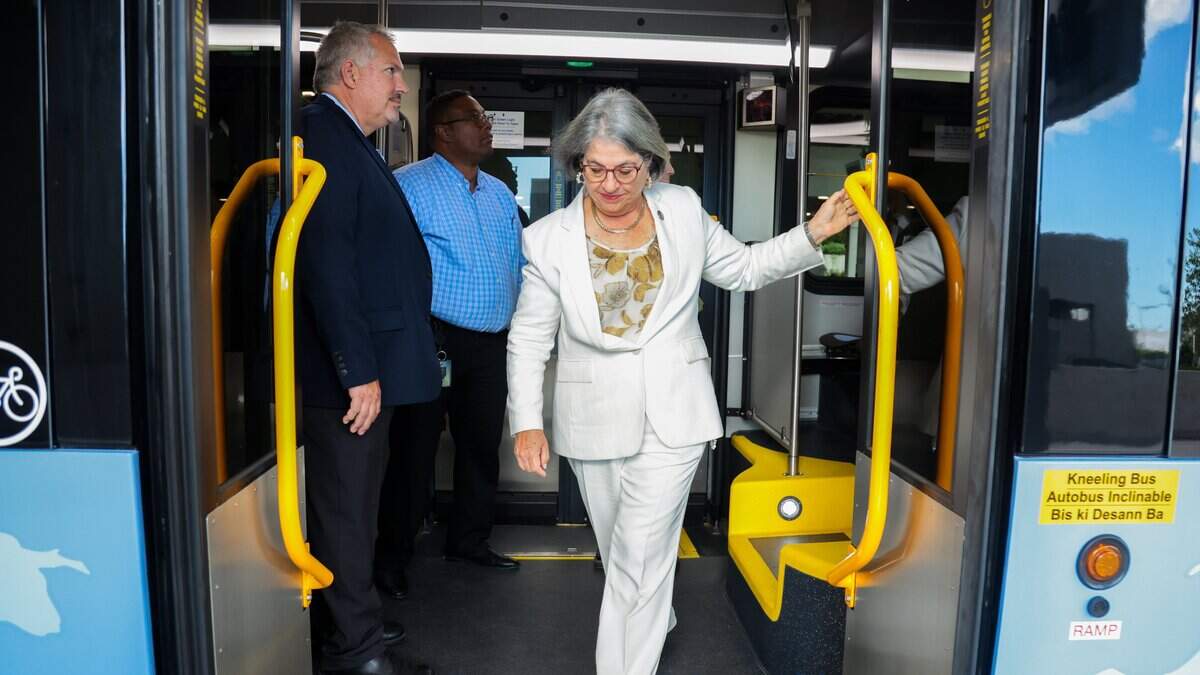
The new system — set to open Oct. 27, after much delay — will be “rail like,” Miami-Dade County’s Transportation and Public Works Director Stacy Miller said, during a tour of the project on Wednesday. Mayor Daniella Levine Cava accompanied the Herald Editorial Board and other journalists on a demonstration ride that ran from the Southwest 152nd Street station to Southwest 168th Street, where a parking garage adjacent to the station will soon open with charging spots for electrical vehicles. The BRT project was approved under then-Mayor Carlos Gimenez in 2018.
This will be the longest, all-electric bus rapid transit service in the nation, according to the county.
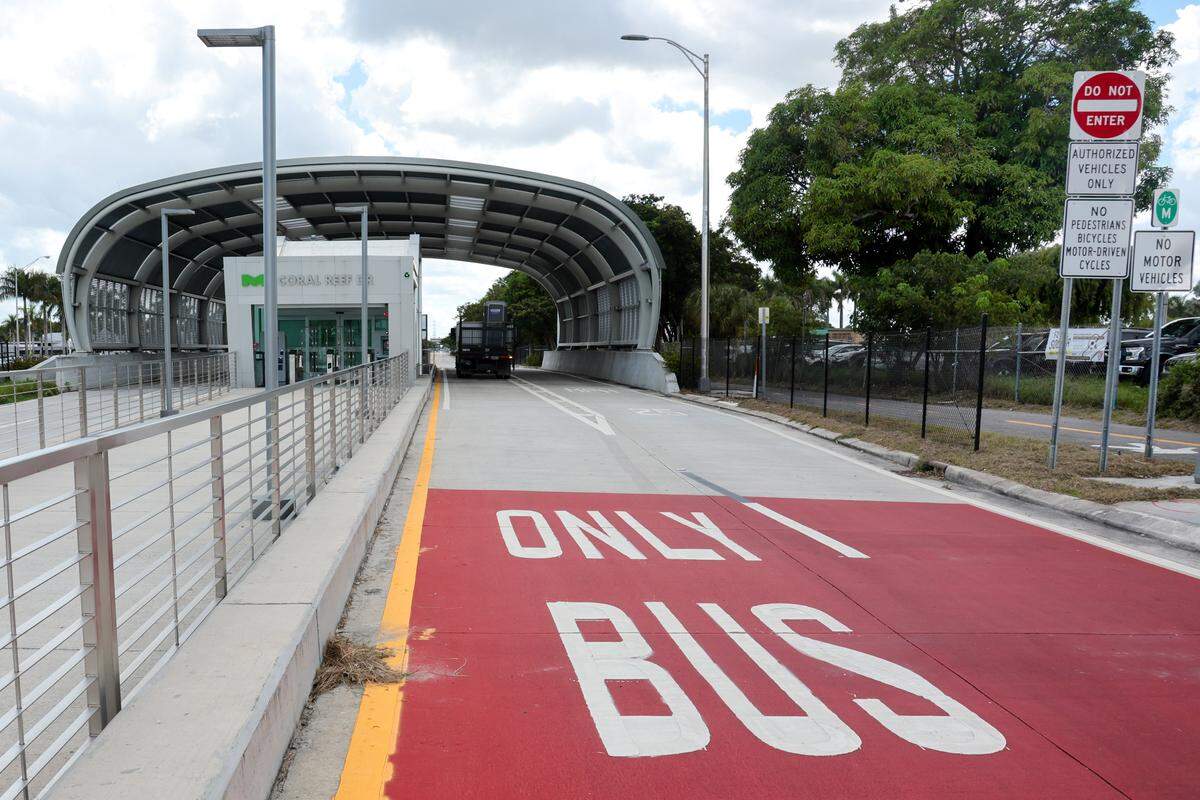
Running along existing dedicated bus lanes parallel to U.S. 1, the MetroExpress BRT will extend 20 miles, connecting the Metrorail’s Dadeland South station to Southwest 344th Street in Florida City. There will be 14 covered stations with pay stations at the entrances, air-conditioned lobbies, cell phone charging stations, Wi-Fi (on the buses as well) and bike storage space. The boarding platforms will be at the same level as the buses, as they would with trains.
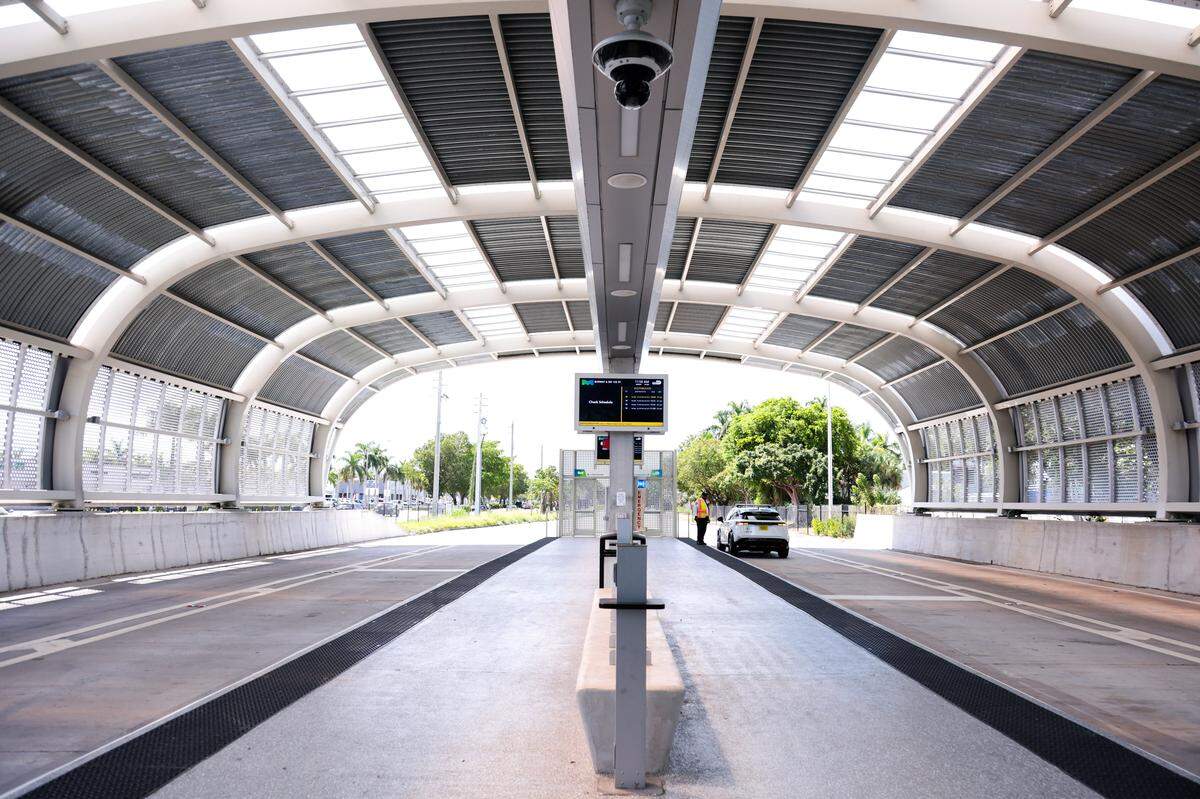
Here’s what the county says will make a difference for commuters: There are crossing gates, like the ones used at rail intersections, that will block traffic so the buses can run with fewer interruptions.
During weekday rush hour — from 6 a.m. to 9 a.m. northbound and from 4 p.m. to 6 p.m. southbound — the gates will always come down whenever buses approach an intersection so they don’t stop at red lights. During off-peak hours, the buses will get an early green light, with the gates still blocking car traffic that’s crossing U.S. 1.
For people who currently use the four local bus lines that run along the South Dade Transitway, the BRT system will likely be a big improvement. It will reduce their rush-hour commute from about one hour and 40 minutes to less than one hour for the 20 miles, according to county estimates. During off-peak hours, the county estimated in 2023 that bus riders would save only four minutes, the Herald reported at the time.
The bigger question is whether the BRT will motivate drivers to switch to public transportation. As of Moday, the county had not provided information about how much time drivers would save.
With 200,000 people living within one mile of the transitway, according to county officials — and more to come, thanks to Miami-Dade’s zoning rules that allow higher density along transit corridors — there’s a potential to increase ridership. People just have to feel like it’s worth it.
One of the sticking points with the BRT has always been that riders will be forced to get off the buses to connect to the Metrorail at the Dadeland South station. The county is trying to make that transition as simple as possible. For example, riders won’t have to pay an additional fare to switch systems — a $2.25 regular ticket will be valid for up to three hours for connections.
The Metrorail runs along U.S. 1 through Brickell and downtown before veering west to the airport and past Hialeah. That only gets you so far these days, when employers have become more spread out throughout the county. That’s why it’s imperative that other corridors included in Miami-Dade’s SMART plan to expand public transportation come online, such as the Northeast corridor linking downtown to Aventura.
Miami-Dade did once consider expanding rail to the south, but that was deemed too expensive, with estimates at more than $1 billion. Levine Cava said the county did not have the ridership numbers to get train grants from the federal government, which paid for one-third of the $300 million cost of building the BRT system (the rest of the money came from the state and Miami-Dade’s half-penny transportation sales tax). If rail is feasible in the future, the 14 BRT stations can be expanded, according to Miller.
And, then, there is the impact that crossing gate closures will have on car traffic. County officials expect a period of adjustment of 60 to 90 days. It’s hard to image that there won’t be any disruptions to drivers, but, as Levine Cava said, the point is for more people to leave their cars home and use the BRT.
The MetroExpress Bus Rapid Transit does feel “rail like.” Now the ridership must follow.
BEHIND THE STORY
MOREWhat's an editorial?
Editorials are opinion pieces that reflect the views of the Miami Herald Editorial Board, a group of opinion journalists that operates separately from the Miami Herald newsroom. Miami Herald Editorial Board members are: opinion editor Amy Driscoll and editorial writers Isadora Rangel and Mary Anna Mancuso. Read more by clicking the arrow in the upper right.
What's the difference between an op-ed and a column?
How does the Miami Herald Editorial Board decide what to write about?
The Editorial Board, made up of experienced opinion journalists, primarily addresses local and state issues that affect South Florida residents. Each board member has an area of focus, such as education, COVID or local government policy. Board members meet daily and bring up an array of topics for discussion. Once a topic is fully discussed, board members will further report the issue, interviewing stakeholders and others involved and affected, so that the board can present the most informed opinion possible. We strive to provide our community with thought leadership that advocates for policies and priorities that strengthen our communities. Our editorials promote social justice, fairness in economic, educational and social opportunities and an end to systemic racism and inequality. The Editorial Board is separate from the reporters and editors of the Miami Herald newsroom.
How can I contribute to the Miami Herald Opinion section?
The Editorial Board accepts op-ed submissions of 650-700 words from community members who want to argue a specific viewpoint or idea that is relevant to our area. You can email an op-ed submission to oped@miamiherald.com. We also accept 150-word letters to the editor from readers who want to offer their points of view on current issues. For more information on how to submit a letter, go here.