
Troubling trend in South Florida: commissioners voting to increase their salaries | Opinion
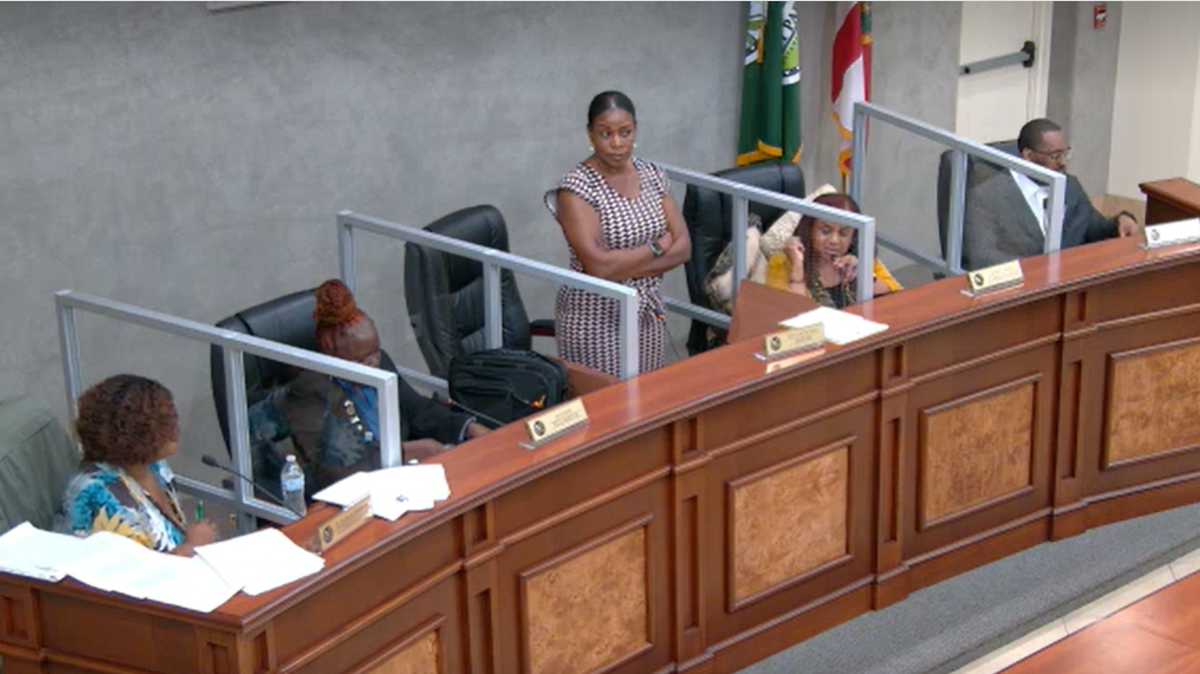
It keeps happening: South Florida city commissioners giving themselves generous salary hikes and increases in stipends and allowances. And the pattern is troubling.
West Park — located south of Hollywood and one of Broward’s smallest cities with less than 16,000 residents — is the latest municipality to consider a salary increase, from $9,600 to $40,000 a year, effectively quadrupling commissioners’ current compensation. On Wednesday, the commission will review a survey by the city manager that compares West Park’s compensation to that of 11 other municipalities.
The West Park commission is made up of four commissioners plus the mayor.
They got raise not that long ago: In 2022, West Park commissioners raised their own pay to $800 a month, up from $200. Less than two years later, commissioners are looking for another — steeper — pay raise.
West Park commissioners are paid volunteers, and residents are no doubt wondering whether commissioners are putting their financial interests ahead of the city’s needs.
But West Park isn’t the first commission to want to increase its compensation. Other South Florida commissioners have been voting to increase their pay, stipends and other benefits, such as car and cellphone allowances.
Miami Beach commissioners voted last year to increase their compensation by nearly $20,000, by increasing their monthly stipends and allowances for cars and phones. In 2023, Coral Gables commissioners doubled their compensation with a narrow 3-2 vote. The increase was short-lived; Coral Gables commissioners in May voted to lower their salaries. In North Lauderdale, commissioners voted last month to triple their salaries — right before the state’s new DOGE waste-cutting team was set to visit Broward County. And in 2022, Miami-Dade commissioners more than doubled their annual compensation from $60,000 to $138,000.
The justification for increased compensation is pretty much the same no matter the place — salaries haven’t been adjusted for inflation, the position requires a sizable time commitment and responsibilities are significant. That’s true — public service is no small task. It requires dedication and sacrifice.
But here’s the rub: Many commissioner roles are part-time. So are Florida legislators’ jobs. The idea is supposed to be that everyday citizens can represent their communities as well or better than career politicians — they know the issues better. Having local people represent their neighbors is also a way to encourage civic engagement.
When commissioners vote to award themselves salary hikes, the community they serve understandably loses trust.
For West Park, the question of whether the commission should quadruple its own pay is especially troubling: When asked about giving city staff a 5% pay increase, Commissioner Cristina Eveillard told the Miami Herald that “the budget is tight, and we don’t have enough funds to help our residents.”
If that’s the case, how can the commission justify giving themselves a pay raise? That sends a message to the community that becoming an elected official is about compensation, not public service.
The debate in West Park brings up another, larger issue. If commissioners want a raise, they should ask the people who elected them — the ones paying the bills with their taxes. Politicians should not be in the position to bypass voters and decide for themselves if they deserve a pay raise.
Put raises on the ballot, make the case and let taxpayers decide if the increase is warranted. That would add transparency and ensures the raises are granted by the knowing consent of the people, not buried in a budget.
There aren’t many jobs where workers can vote to increase their pay without oversight. Public office shouldn’t be one of them. If commissioners continue to exercise this power unchecked, credibility of local government will erode.
There’s no question that some commission salaries are stuck in the past and, no doubt, some commissioners deserve pay raises. But serving in any public office, especially as a commissioner, should remain an honor rooted in helping your community, not self-interest. Voters elect candidates to make their community better.
If commissioners want more money and higher stipends, they should ask the people who hired them for the job. Consider it a performance review given by the people.
BEHIND THE STORY
MOREWhat's an editorial?
Editorials are opinion pieces that reflect the views of the Miami Herald Editorial Board, a group of opinion journalists that operates separately from the Miami Herald newsroom. Miami Herald Editorial Board members are: opinion editor Amy Driscoll and editorial writers Isadora Rangel and Mary Anna Mancuso. Read more by clicking the arrow in the upper right.
What's the difference between an op-ed and a column?
How does the Miami Herald Editorial Board decide what to write about?
The Editorial Board, made up of experienced opinion journalists, primarily addresses local and state issues that affect South Florida residents. Each board member has an area of focus, such as education, COVID or local government policy. Board members meet daily and bring up an array of topics for discussion. Once a topic is fully discussed, board members will further report the issue, interviewing stakeholders and others involved and affected, so that the board can present the most informed opinion possible. We strive to provide our community with thought leadership that advocates for policies and priorities that strengthen our communities. Our editorials promote social justice, fairness in economic, educational and social opportunities and an end to systemic racism and inequality. The Editorial Board is separate from the reporters and editors of the Miami Herald newsroom.
How can I contribute to the Miami Herald Opinion section?
The Editorial Board accepts op-ed submissions of 650-700 words from community members who want to argue a specific viewpoint or idea that is relevant to our area. You can email an op-ed submission to oped@miamiherald.com. We also accept 150-word letters to the editor from readers who want to offer their points of view on current issues. For more information on how to submit a letter, go here.