
Secret Seaquarium proposal evokes Miami’s bad history on land deals and a warning | Opinion
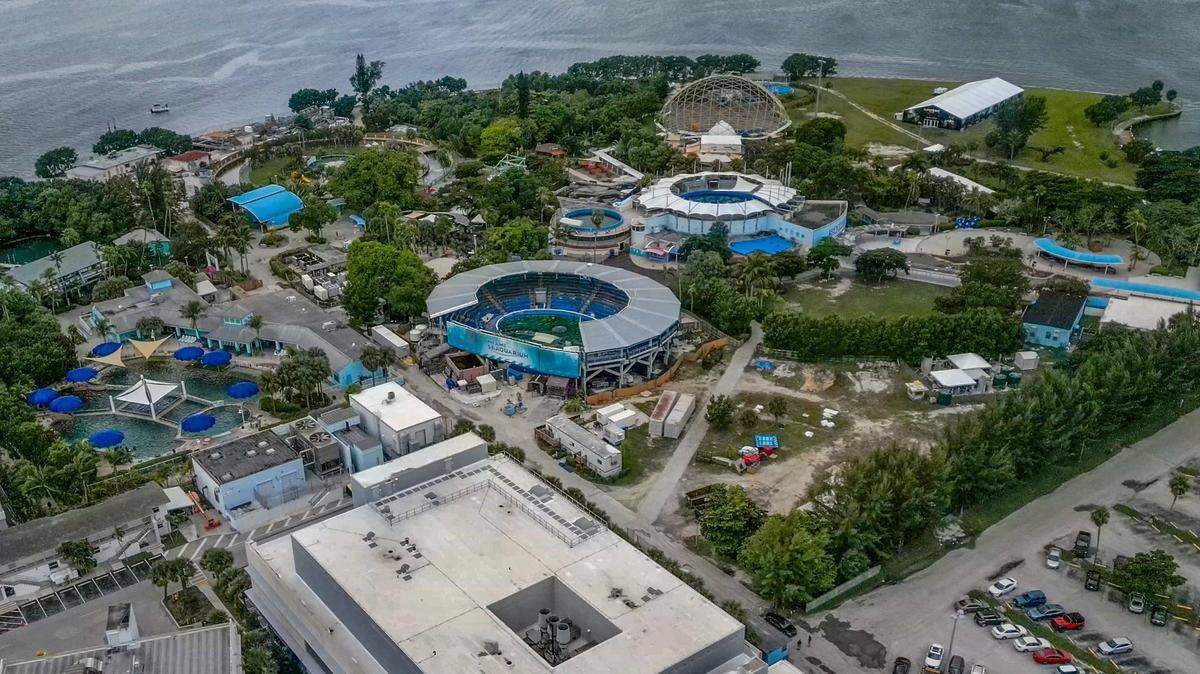
The Miami Seaquarium is way past its prime, going from a jewel that helped make South Florida a tourist destination in the 1960s and 1970s to an aging facility that is struggling to remain relevant.
There have been repeated federal reports of animal welfare issues involving dolphins and other marine mammals that live and perform at the site, not to mention the decades-long saga of Lolita, who lived in America’s smallest orca tank until her death two years ago. Miami-Dade has been trying to evict the park from the 38-acre Virginia Key property owned by taxpayers. The Dolphin Company, which owns the Seaquarium, has filed for bankruptcy.
In other words, the Seaquarium appears to be on its last legs.
County leaders soon must decide what might replace it, and, whatever that is, should benefit the public, not just the private business that might eventually take over the property. The county has already received a redevelopment proposal from Integra, a Miami-based marina operator and developer, but the proposal remains a secret. Documents the Miami Herald obtained through a public records request were heavily redacted.
The County Commission will eventually vote on this issue, although for now, with the Dolphin Company going through bankruptcy court, the county has no control over the proposals to redevelop the site, said Commissioner Raquel Ragaldo, who is representing Miami-Dade’s interests during the bankruptcy proceeding.
It is unclear how many other proposals may have been submitted, the Herald reported. A prominent Miami developer is also reportedly in talks with the Dolphin Company about the site.
Eventually, public hearings will happen and the Miami-Dade County Commission and Mayor Daniella Levine Cava will have to approve any new development plan. But we have seen many times how proposals for taxpayer-owned land are usually done deals by the time they are made public. With the Seaquarium, the county and developers should be transparent, starting early and including the public in the conversation.
Forgive us for being a little jaded. Miami-Dade has a history of allowing developers to dictate the rules and making empty promises that don’t materialize. After almost 30 years, we’re still waiting for that public park we were promised along Biscayne Bay as a tradeoff for voters approving the deal to build the Miami Heat arena on county land downtown.
The Seaquarium doesn’t sit on just any piece of property. (A lot has changed on Virginia Key since the Seaquarium opened in 1955.) We’re talking waterfront, prime real estate, a remaining vestige of old Miami that hasn’t been taken over by condos, hotels or other developments that make the land inaccessible to the average person. Now that the county has the first opportunity in 70 years to re-imagine the property, it should go big — with the common good in mind.
Luckily, there are limitations on the commercial uses of the land, which under county rules must be utilized for recreation and is part of the county parks system. Any developer attempt to change that must be a no-go.
Of course, we also understand that the takeover of the Seaquarium site must be a moneymaker for the business that might eventually be responsible for it. That business be viable given that it would be paying rent to the county. That doesn’t mean that the county cannot negotiate concessions. At the very least, some of the property must be open to the public and/or be used for a public benefit. The Seaquarium, for all its problems, for example, served as a manatee rescue and rehabilitation facility.
Regalado told the Herald that the county has a “desire to expand marinas and to expand dry-dock storage.” If that’s what ends up happening on Virginia Key, it should be accessible to all, not just wealthy boat and yacht owners.
What belongs to the taxpayers should provide a benefit to taxpayers. It’s as simple as that.
BEHIND THE STORY
MOREWhat's an editorial?
Editorials are opinion pieces that reflect the views of the Miami Herald Editorial Board, a group of opinion journalists that operates separately from the Miami Herald newsroom. Miami Herald Editorial Board members are: opinion editor Amy Driscoll and editorial writers Isadora Rangel and Mary Anna Mancuso. Read more by clicking the arrow in the upper right.
What's the difference between an op-ed and a column?
How does the Miami Herald Editorial Board decide what to write about?
The Editorial Board, made up of experienced opinion journalists, primarily addresses local and state issues that affect South Florida residents. Each board member has an area of focus, such as education, COVID or local government policy. Board members meet daily and bring up an array of topics for discussion. Once a topic is fully discussed, board members will further report the issue, interviewing stakeholders and others involved and affected, so that the board can present the most informed opinion possible. We strive to provide our community with thought leadership that advocates for policies and priorities that strengthen our communities. Our editorials promote social justice, fairness in economic, educational and social opportunities and an end to systemic racism and inequality. The Editorial Board is separate from the reporters and editors of the Miami Herald newsroom.
How can I contribute to the Miami Herald Opinion section?
The Editorial Board accepts op-ed submissions of 650-700 words from community members who want to argue a specific viewpoint or idea that is relevant to our area. You can email an op-ed submission to oped@miamiherald.com. We also accept 150-word letters to the editor from readers who want to offer their points of view on current issues. For more information on how to submit a letter, go here.
This story was originally published September 13, 2025 at 6:00 AM.