
When Florida tried to pass open carry, Republicans understood why it was risky | Opinion
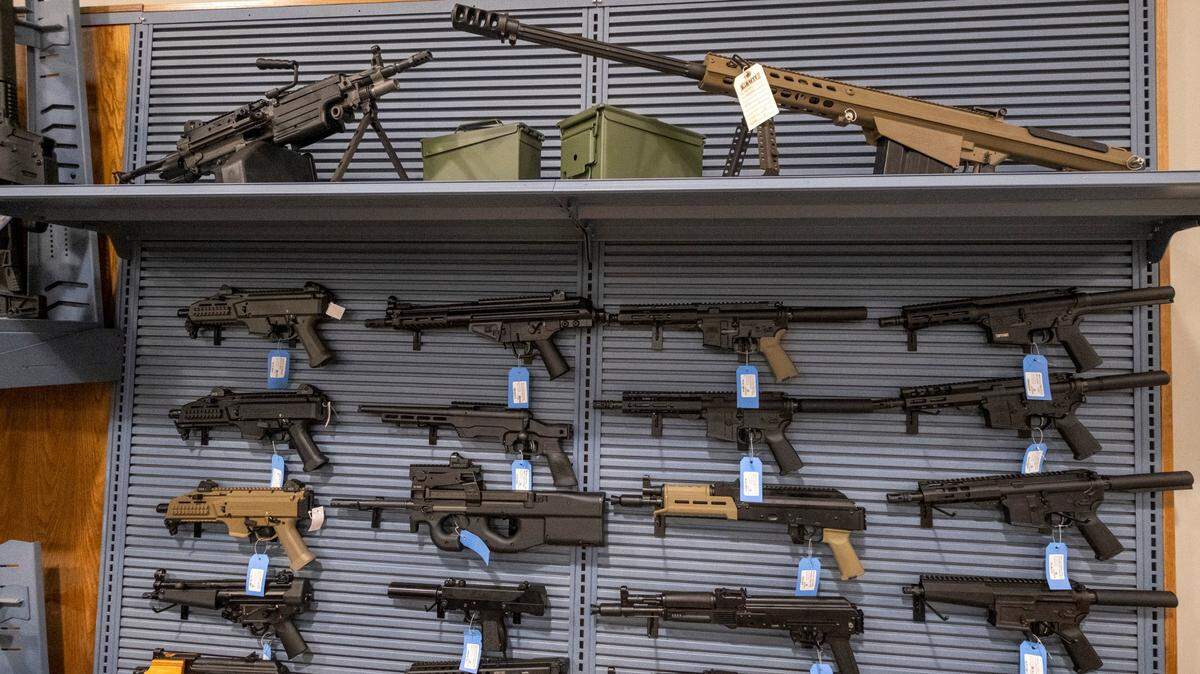
In 2016, Florida seemed to be on the verge of passing legislation to allow people to openly carry their firearm in public, without concealing it. The bill passed the Florida House but died in the Senate. Since then, gun-rights advocates have tried again but failed to get enough support for their cause in Republican-controlled Tallahassee.
What has stopped the legislation hasn’t been pushback from gun-control activists, but from law enforcement, which may surprise many Floridians. As Republican Senate President Ben Albritton said last year, “... I’ve been super consistent as a legislator to support law enforcement in Florida... They oppose it. And I trust my law enforcement officials. And that’s where I stand.”
Now that the state’s First District Court of Appeal this week ruled that Florida’s ban on open carry is unconstitutional, the push to pass legislation to allow it has intensified. But the issues that law enforcement, in particular the Florida Sheriffs Association, raised nine years ago still ring true today. After the court ruling on Wednesday, the FSA somehow softened its tune, saying in a statement that “Florida’s sheriffs remain steadfast in their duty to uphold the law and ensure the safety and security of the communities we serve,” the Florida Phoenix reported.
But, in 2016, the FSA and many in the enforcement community were very clear that open carry would impact police officers’ ability to do their job by making it harder for them to sort out dangerous situations. How are cops supposed to know if the person openly displaying a weapon is trying to harm others or just exercising their Second Amendment rights? Law enforcement leaders warned that people who openly display a gun could get hurt by criminals or police. As an alternative, the FSA put out a common-sense proposal to protect gun owners who inadvertently show their weapons in public.
“If we get a report that there’s a gun seen, whether it’s a person that has it legally or not, we have to react to that completely differently than if it’s just two people who don’t have a weapon on them,” then-Flagler County Sheriff Jim Manfre said in December 2015, as reported by FlaglerLive.com.
The issues with open carry may not be as important for rural parts of Florida, but the reality in Miami and other densely-populated urban areas is different. In the era of mass shootings, imagine what could happen — and how police would have to react — if a person is alarmed by another openly carrying a weapon in a crowded, public space. Think of the gang members who will now be emboldened to walk around neighborhoods, their weapons visible to everybody. Or the people who purposefully openly display their guns to instigate and prove a point about their Second Amendment rights. At the 2017 “Unite the Right” rally in Charlottesville, Virginia, in 2017, many white supremacists descended upon the city openly showing their military-style rifles.
After the 2016 mass shooting that killed five police officers in Dallas, the city’s police chief said Texas’ open carry laws complicated law enforcement’s ability to tell the difference between the “good guy with a gun” and the criminal. The year before, when the state’s lawmakers approved open carry, law enforcement had already warned them of how that would interfere with policing, the Texas Tribune reported.
Gun rights activist point out that Florida is one of only four states in the nation — alongside Illinois, Connecticut and California — that ban open carry in nearly all circumstances for all kinds of firearms. Florida’s ban has been in effect since 1987, the Herald reported.
The argument goes that the sky hasn’t fallen in other states, so why not allow open carry here? It’s important to note, first, that the regulations in some states where open carry is permitted vary, according to a tally by pro-gun-control group Everytown for Gun Safety. In Tennessee, for example, open carry is allowed for hand guns but banned for rifles and shotguns, unless they are unloaded. And, according to the Johns Hopkins Center for Gun Violence Solutions, states that have loosened gun carrying laws have seen an increase in firearm violence.
Given the recent court ruling, it appears that Florida may be forced to finally allow open carry. Our hope is that, at the very least, lawmakers consider what law enforcement said years ago and do their best to put safeguards in place.
BEHIND THE STORY
MOREWhat's an editorial?
Editorials are opinion pieces that reflect the views of the Miami Herald Editorial Board, a group of opinion journalists that operates separately from the Miami Herald newsroom. Miami Herald Editorial Board members are: opinion editor Amy Driscoll and editorial writers Isadora Rangel and Mary Anna Mancuso. Read more by clicking the arrow in the upper right.
What's the difference between an op-ed and a column?
How does the Miami Herald Editorial Board decide what to write about?
The Editorial Board, made up of experienced opinion journalists, primarily addresses local and state issues that affect South Florida residents. Each board member has an area of focus, such as education, COVID or local government policy. Board members meet daily and bring up an array of topics for discussion. Once a topic is fully discussed, board members will further report the issue, interviewing stakeholders and others involved and affected, so that the board can present the most informed opinion possible. We strive to provide our community with thought leadership that advocates for policies and priorities that strengthen our communities. Our editorials promote social justice, fairness in economic, educational and social opportunities and an end to systemic racism and inequality. The Editorial Board is separate from the reporters and editors of the Miami Herald newsroom.
How can I contribute to the Miami Herald Opinion section?
The Editorial Board accepts op-ed submissions of 650-700 words from community members who want to argue a specific viewpoint or idea that is relevant to our area. You can email an op-ed submission to oped@miamiherald.com. We also accept 150-word letters to the editor from readers who want to offer their points of view on current issues. For more information on how to submit a letter, go here.