
Rainbow intersections are erased overnight but Florida avoids real issues | Opinion
Talk about misplaced priorities. Florida leaders need to quit spending their time (and our money) worrying about rainbow-painted intersections and focus on what matters to millions of people: bringing down the cost of property insurance, providing housing that people can actually afford and finding ways to reduce the cost of living.
That should be obvious but, apparently, it isn’t. The Florida Department of Transportation recently notified the city of Key West that it needs to remove its LGBTQ+ rainbow crosswalk by Sept. 3 or face draconian consequences: the potential for “immediate withholding of state funds.” Delray Beach received a similar notice. Other cities are braced, including our own Miami Beach.
In Orlando, the rainbow crosswalk outside the Pulse nightclub — where 49 mostly LGBTQ people were murdered in 2016 — was removed by the state overnight. The Orlando mayor said the city wasn’t even notified in advance, according to the Orlando Sentinel.
State workers laboring in the dark of night to remove a rainbow crosswalk, one designed to honor the dead — is that where we are in this state? People are struggling to afford living here, sure, but Florida officials are hard at work on their own idea of what’s important: the Pride-painted intersection.
The fact that many of these intersections are in predominantly gay neighborhoods makes this even worse.
As Joe Magazine, a Miami Beach commissioner, told the Editorial Board, “Many of the people I was elected to represent feel personally attacked by this.”
He called the state’s actions an example of government overreach. “We pride ourselves on being a welcoming city to all. It’s never bothered anybody,” he said.
The conflict between the state and municipalities came after a July 2 post on social media by Florida Transportation Secretary Jared Perdue. He posted an FDOT memo that said the state was cracking down on “non-standard surface markings” on roadways that could lead to “distractions or misunderstandings.”
Don’t be fooled. This isn’t about traffic safety. It’s about politics. Wrapped up in those bureaucratic words is an effort to stamp out viewpoints that are unpopular with those in power. This is about the GOP, the so-called party of small government, big-footing local governments yet again. It’s about government overreach, again. Worst of all, it’s about marginalizing LGBTQ people.
In his July 2 post on X, Purdue said Florida must “keep our transportation facilities free & clear of political ideologies.” Just one day before that, the Trump administration’s transportation secretary, Sean Duffy, posted on X that “taxpayers expect their dollars to fund safe streets, not rainbow crosswalks.”
Not hard to see what’s happening here: the DeSantis administration in Florida is once again trying to find favor with Trump.
Maybe we should give the state the benefit of the doubt. Perhaps FDOT has a slew of letters or comments complaining about safety problems related to rainbow-painted intersections. (If so, they should certainly share that information.) Or maybe there have been a ton of protests about rainbow intersections — except the only big protests lately have been about Alligator Alcatraz, the immigrant detention center in the Everglades, and we don’t see the state jumping to address those concerns.
But even if there have been complaints, the place to handle them is through local government. That’s a call to your city council member, not an issue that requires the full force of the state.
The state has vowed to remove the rainbow street markings by itself if the cities won’t — and send the bill to local governments and taxpayers. Some cities, like Boynton Beach in Palm Beach County, have already given in under the state’s financial threats, painting over rainbow intersections. Others may still wind up in FDOT’s crosshairs: Fort Lauderdale has a stretch of road on a side street near the beach painted in Pride colors. Miami Beach installed its Pride-themed pavers in 2018, according to Axios.
Florida is getting practiced at declaring exaggerated emergencies that play to the GOP crowds. Gov. Ron DeSantis tapped his emergency powers — stretching them from 1993 — to build that ill-considered Alligator Alcatraz earlier this year. Now, rainbow intersections are apparently the big threat.
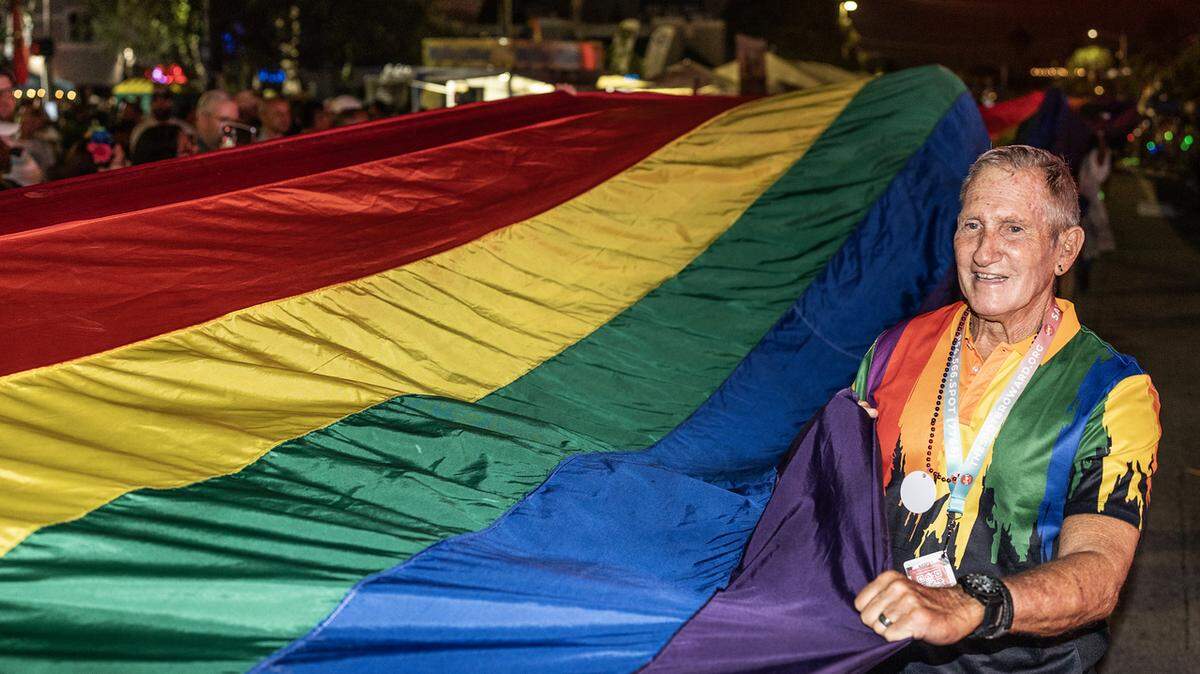
Erasing these intersections is about more than paint. It’s about erasing communities. Those rainbows represent people who were long marginalized. Displaying a kaleidoscope of color on intersections and crosswalks is a way of saying, in a tangible way, that diverse communities are welcome. That’s not something to fear. It’s something to embrace.
BEHIND THE STORY
MOREWhat's an editorial?
Editorials are opinion pieces that reflect the views of the Miami Herald Editorial Board, a group of opinion journalists that operates separately from the Miami Herald newsroom. Miami Herald Editorial Board members are: opinion editor Amy Driscoll and editorial writers Isadora Rangel and Mary Anna Mancuso. Read more by clicking the arrow in the upper right.
What's the difference between an op-ed and a column?
How does the Miami Herald Editorial Board decide what to write about?
The Editorial Board, made up of experienced opinion journalists, primarily addresses local and state issues that affect South Florida residents. Each board member has an area of focus, such as education, COVID or local government policy. Board members meet daily and bring up an array of topics for discussion. Once a topic is fully discussed, board members will further report the issue, interviewing stakeholders and others involved and affected, so that the board can present the most informed opinion possible. We strive to provide our community with thought leadership that advocates for policies and priorities that strengthen our communities. Our editorials promote social justice, fairness in economic, educational and social opportunities and an end to systemic racism and inequality. The Editorial Board is separate from the reporters and editors of the Miami Herald newsroom.
How can I contribute to the Miami Herald Opinion section?
The Editorial Board accepts op-ed submissions of 650-700 words from community members who want to argue a specific viewpoint or idea that is relevant to our area. You can email an op-ed submission to oped@miamiherald.com. We also accept 150-word letters to the editor from readers who want to offer their points of view on current issues. For more information on how to submit a letter, go here.