
World Cup wins, nonprofits lose — but a surprise twist may come for Miami-Dade | Opinion
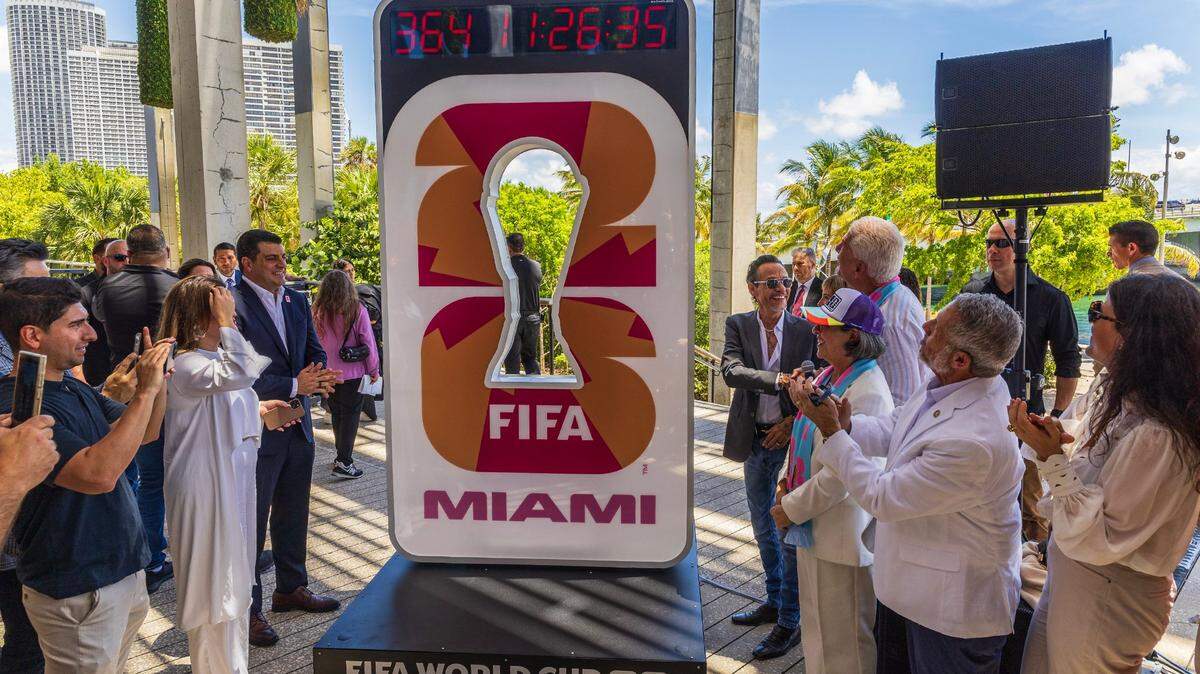
Miami-Dade’s attempt to address a $402 million budget shortfall have put elected leaders in a tough predicament, criticized for possibly cutting funding for nonprofits, parks, arts and culture while siphoning taxpayer dollars toward hosting the 2026 FIFA World Cup.
To be clear, in budgetary terms, this isn’t necessarily a case of robbing Peter to pay Paul. The commission has already approved the $46 million for the local World Cup 2026 Miami Host Committee, though some of that money was OKed this year when it was already clear the county was facing financial trouble. The cuts to social spending and more are proposals to save money in next year’s budget and still require county commission approval.
But the public doesn’t speak in accounting terms, and residents are right to be concerned, especially when you consider that the subsidies for the games make up a bigger figure than the $40 million that Mayor Daniella Levine Cava has proposed to cut from nonprofits.
Commissioner Kionne McGhee has requested a special meeting to undo the funding votes to cover local expenses for the seven soccer matches scheduled for Hard Rock Stadium. According to the Herald, to secure a special commission meeting to revisit a vote that’s already happened, he needs signed requests from at least six of the other 12 commissioners, who would be wise to sign on.
At the very least, the commission must discuss whether and how much the county should financially support the World Cup — the funding isn’t going directly to FIFA but to the local host committee — when county programs are facing budget cuts. Levine Cava said in an interview with WPLG-Channel 10 over the weekend that the commission might roll back the latest $10.5 million cash subsidy approved earlier this year. That doubled the county’s total cash contribution to $21 million (the remaining $25 million are in the form of free county services such as police support during the games).
Levine Cava does not have a vote on the county commission, but if her prediction is right, perhaps that’s a good compromise. Completely withdrawing the county’s financial commitment to the games would have consequences, according to Rodney Barreto, co-chair of the Miami World Cup 26 Host Committee The Cup is expected to have a $1.3 billion economic impact for the region, he said in a statement to the Herald Editorial Board.
When Miami-Dade County secured the opportunity to be one of the 11 cities hosting the games, it “made a clear commitment to FIFA, fully aware of the expectations and responsibilities involved,” Barreto said, and that McGhee’s proposal has forced the Cup’s “private sponsors to question the County’s reliability.”
The $21 million from the county will pay for “safety and security coordination, transit and traffic planning, permitting and city services, community engagement, fan experiences, and infrastructure to support global media and broadcast,” Barreto said.
The commission must balance Barreto’s arguments with the county’s worst budget shortcomings since the 2008 Great Recession. Commissioners must not forget that, in 2022, they also agreed to give the Miami Dolphins $15 million for hosting the World Cup at their stadium in Miami Gardens. The money is part of a larger agreement that compensates the team for attracting major sporting events. The funds come from a tax levied on hotels and short-term rentals and will be disbursed after the tournament happens next year, a county spokeswoman told the Board.
McGhee voted to fund the World Cup host committee in the past, writing in an oped for the Miami Herald that “Its economic promise is real,” but that “what changed my position was the rollout of the mayor’s proposed budget” asking for cuts in charity spending. McGhee represents some of Miami-Dade’s poorest areas in his South Dade district.
“I am the product of our nonprofits. Their survival is not just policy — it’s personal,” he wrote.
McGhee’s sentiment is shared by many taxpayers who understand the reputational and financial benefits of hosting the world’s largest soccer tournament, but who see that the county has greater needs in times of fiscal turmoil.