
Some Miamians are breaking up with Netflix and Uber as they brace for uncertainty | Opinion
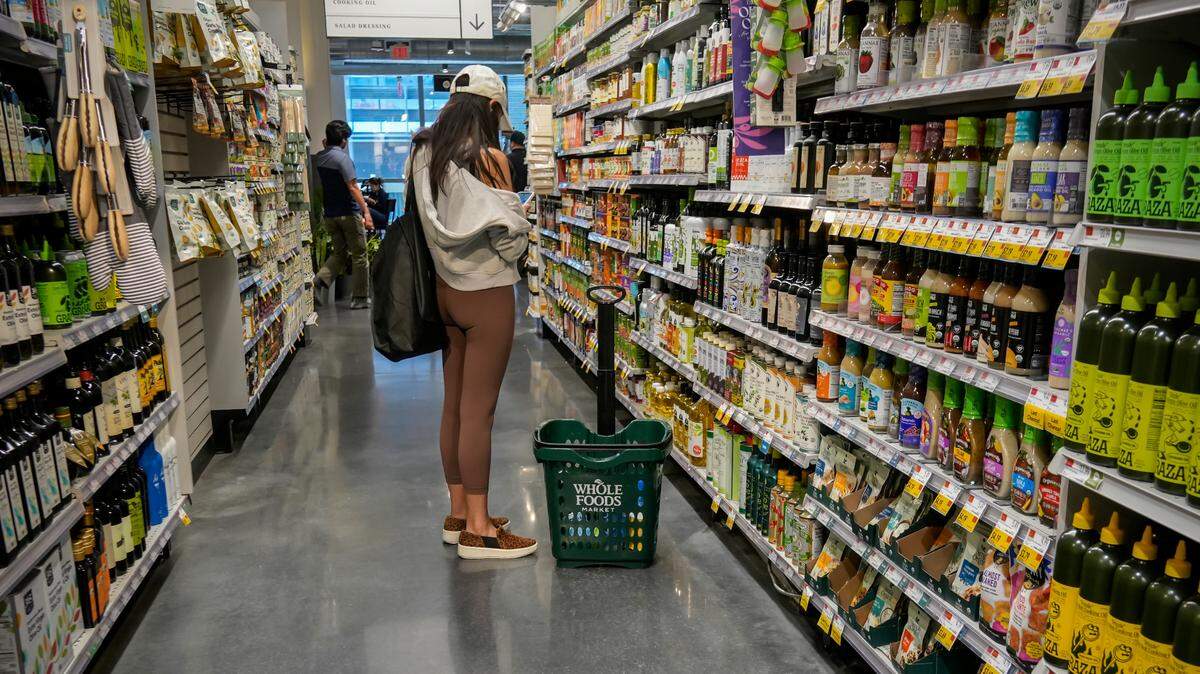
Miami has long been known as Vice City, but some residents are cutting back on their vices. It’s no surprise that, with the cost of living rising and economic uncertainty looming, people are rethinking their spending habits.
This phenomenon, known as recession-proofing, has individuals tightening their belts and cutting costs in creative ways to prepare for potential economic downturn. From recession-proof hairstyles that require less maintenance to using Open AI’s ChatGPT in lieu of traditional therapy sessions, people are embracing innovative ways to maintain their lifestyles and yet reduce expenses.
We can’t blame them. In recent years, consumers have seen an increase in the cost of food and housing. Food costs alone from 2020 to 2024 rose by more than 23% in the U.S., according to the Department of Agriculture. Miamians have become the most rent-burdened people in America, reporting more difficulty paying for rent than people living in notoriously expensive places like New York City, according to a Census Bureau survey released in February.
Naturally, this — coupled with concern that President Trump’s tariffs could cause an economic slowdown — has led to some fear about a pending recession, even if it’s hard to predict whether that will actually happen.
On Reddit, there is a thread that asks “How are you all recession proofing?” The Reddit user who created it explained they were a teenager during the 2008 financial crisis and wanted to know what they could do to protect themselves in the event of another recession.
One simple question sparked hundreds of responses from users sharing their strategies, ranging from meal prepping and brewing coffee at home to canceling streaming subscriptions and avoiding UberEats, a food delivery service.
When we asked Miami Herald readers if they were employing any strategies to cut costs in case there is an economic downturn, their approaches varied, including canceling streaming subscriptions, choosing to eat at home instead of dining out, making coffee at home instead of going to Starbucks and shopping only the items on sale at the grocery store. Overall, this shift in spending is more than being frugal — it’s a window into how people view their financial security.
The cost of living in Miami has increased significantly since the pandemic and it is more expensive in 2025 compared to 2024, the Miami Herald recently reported. A single adult without children in Miami-Dade needs to make an annual salary of at least $51,528 to afford basic needs, while a married couple with two kids require a minimum of $90,529.
And for people who are recession-proofing, it’s being driven by the goal of not getting caught off guard. Diane Lee from Bonita Springs told the Herald Editorial Board that “we learned the hard way in 2008 and dug our way out.”
Gov. Ron DeSantis has a more optimistic view of how the Sunshine State would do in the event of another recession.
During a speech at the Rental Home Council in April, DeSantis said, “This time, because our economy’s much more diversified, if we do have a slowdown, I think we’ll do better than other states around the country; not going to be immune to it, but I think we’re positioned to do better.”
Despite DeSantis’ optimism, some Miamians aren’t taking any chances. Readers told the Editorial Board they began recession proofing as early as January, some noting it was because of the political climate after Trump’s inauguration.
Recession proofing is one way many people are taking control in these uncertain times. In fact, it can yield unexpected benefits and help people reevaluate what really matters.
Home-cooked meals are often healthier than dining out and canceling streaming subscriptions can make way for more meaningful activities — who doesn’t want to get back that time we lost binge-watching Tiger King?
Recession proofing may sound grim, but it’s a sign of resilience. It’s how Floridians prepare — not just for hurricanes, but for financial storms as well. And as anyone who has prepared for either scenario knows, it’s about planning, not panicking.
Click here to send the letter.
BEHIND THE STORY
MOREWhat's an editorial?
Editorials are opinion pieces that reflect the views of the Miami Herald Editorial Board, a group of opinion journalists that operates separately from the Miami Herald newsroom. Miami Herald Editorial Board members are: opinion editor Amy Driscoll and editorial writers Isadora Rangel and Mary Anna Mancuso. Read more by clicking the arrow in the upper right.
What's the difference between an op-ed and a column?
How does the Miami Herald Editorial Board decide what to write about?
The Editorial Board, made up of experienced opinion journalists, primarily addresses local and state issues that affect South Florida residents. Each board member has an area of focus, such as education, COVID or local government policy. Board members meet daily and bring up an array of topics for discussion. Once a topic is fully discussed, board members will further report the issue, interviewing stakeholders and others involved and affected, so that the board can present the most informed opinion possible. We strive to provide our community with thought leadership that advocates for policies and priorities that strengthen our communities. Our editorials promote social justice, fairness in economic, educational and social opportunities and an end to systemic racism and inequality. The Editorial Board is separate from the reporters and editors of the Miami Herald newsroom.
How can I contribute to the Miami Herald Opinion section?
The Editorial Board accepts op-ed submissions of 650-700 words from community members who want to argue a specific viewpoint or idea that is relevant to our area. You can email an op-ed submission to oped@miamiherald.com. We also accept 150-word letters to the editor from readers who want to offer their points of view on current issues. For more information on how to submit a letter, go here.
This story was originally published July 9, 2025 at 12:00 PM.