
Miami-Dade’s immigrant past: from the Mariel Tent City to Alligator Alcatraz | Opinion
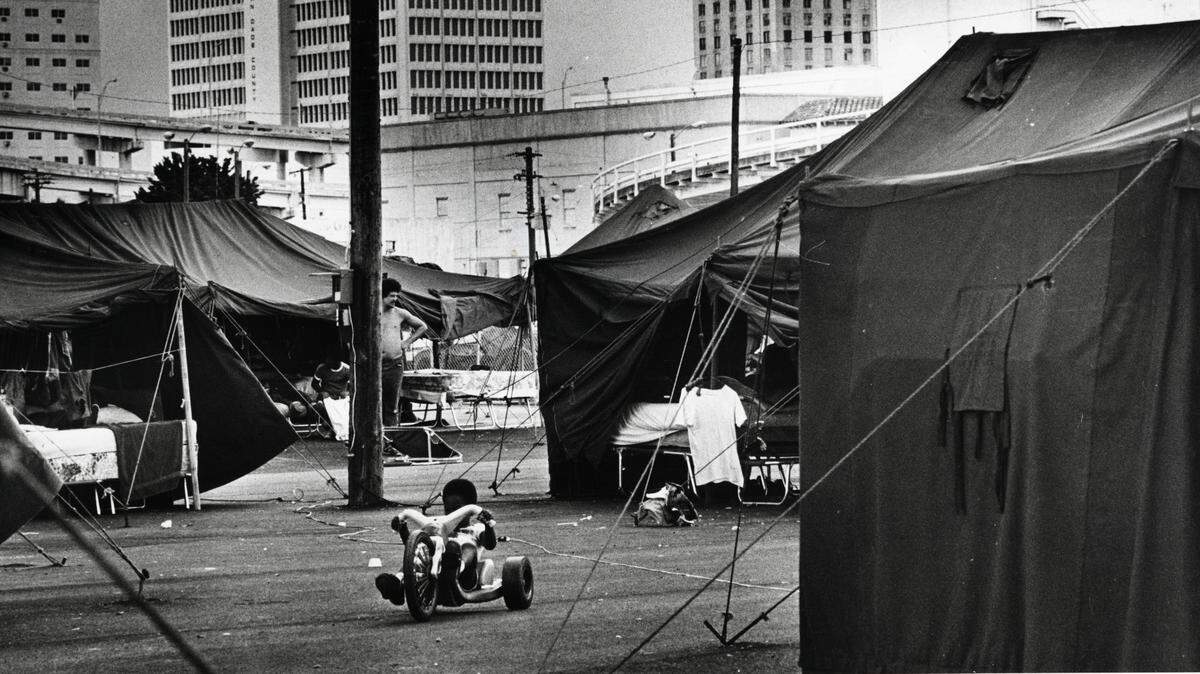
With Alligator Alcatraz opening today — complete with a visit from President Donald Trump — some may not recall this isn’t the first time undocumented immigrants in Miami-Dade have been housed in makeshift camps under Florida’s blazing sun while the government decides what to do with them.
We’ve been here before — but this time, it’s about punishment, not trying to help immigrants fleeing oppression.
It was 45 years ago this summer that Miami-Dade had another tent city. Dozens of military-style tents were pitched beneath the Interstate 95 overpass near Southwest Eighth Street by the Miami River. The city had allowed the encampment as a last resort for housing hundreds of undocumented Cuban men, women and children who had no relatives in Miami, no jobs, no work permits and nowhere to live after arriving during the chaos of the 1980 Mariel Boatlift.
It wasn’t ideal, but it reflected a community overwhelmed, not vindictive.
A small number of Mariels were said to have been released from Fidel Castro’s prisons, but deportation was never considered for the people in this original tent city. And there was no glee from leaders about housing human beings in rough conditions or about using “natural security” — alligators and pythons — to keep them in line.
The 1980s version — where José Martí Park’s basketball courts are now — was a necessity. More than 125,000 Cubans had poured into South Florida in just a few months, escaping Castro’s communist Cuba. Conditions were rough: tents, minimal sanitation, little privacy. The goal was resettlement and integration.
Eventually, the Carter administration responded with the Cuban-Haitian Entrant Program (CHEP), which granted special immigration status to those who had arrived during that time. It allowed Mariel refugees to start a new life.
Now compare that to today.
The Florida Everglades — an ecologically fragile and nationally protected treasure — is the site of a sprawling pop-up detention center meant to house up to 5,000 undocumented immigrants. Gov. Ron DeSantis, who called for its construction in a matter of days using emergency authority, has proudly dubbed it Alligator Alcatraz, a name now printed on GOP merchandise.
This new tent city isn’t a response to a humanitarian crisis. It’s a message from DeSantis and the Trump administration with one goal in mind: mass deportation.
Back in 1980, local leaders worked to help refugees. Today, the city and county have signed agreements to help ICE — U.S. Immigration and Customs Enforcement — catch and deport immigrants already living here.
This time, the optics are deliberate. A detention camp in a swamp sends a clear message: You are not welcome. Alligator Alcatraz evokes isolation and fear. It’s political theater.
In many ways, these two crises reflect their eras. The 1980s tent city was a Cold War scramble to help refugees fleeing communism. The public was wary but there was a sense of moral obligation. Miami was a city of refugees.
Alligator Alcatraz, by contrast, treats undocumented immigrants not as people to help but as threats to contain and deport under an administration that demands it. It’s a “get out” mentality.
One constant remains: Miami is still ground zero for America’s unresolved immigration crisis.
We now have the benefit of hindsight. Many of the Mariel refugees once warehoused under a highway overpass became American citizens, business owners and vital parts of our community. The same could be true for today’s undocumented immigrants — if we gave them the chance.
Granted, some of those being detained committed crimes. In general, those people should be deported. But the rush to push people out of the country includes lots of immigrants who have not committed offenses.
Our response to the immigration crisis must be rooted in dignity: Alligator Alcatraz fails miserable at that goal.
Sadly, Trump’s visit is meant to turn Florida into an immigration detention poster state for the country. What a difference 45 years can make.

Click here to send the letter.
BEHIND THE STORY
MOREWhat's an editorial?
Editorials are opinion pieces that reflect the views of the Miami Herald Editorial Board, a group of opinion journalists that operates separately from the Miami Herald newsroom. Miami Herald Editorial Board members are: opinion editor Amy Driscoll and editorial writers Isadora Rangel and Mary Anna Mancuso. Read more by clicking the arrow in the upper right.
What's the difference between an op-ed and a column?
How does the Miami Herald Editorial Board decide what to write about?
The Editorial Board, made up of experienced opinion journalists, primarily addresses local and state issues that affect South Florida residents. Each board member has an area of focus, such as education, COVID or local government policy. Board members meet daily and bring up an array of topics for discussion. Once a topic is fully discussed, board members will further report the issue, interviewing stakeholders and others involved and affected, so that the board can present the most informed opinion possible. We strive to provide our community with thought leadership that advocates for policies and priorities that strengthen our communities. Our editorials promote social justice, fairness in economic, educational and social opportunities and an end to systemic racism and inequality. The Editorial Board is separate from the reporters and editors of the Miami Herald newsroom.
How can I contribute to the Miami Herald Opinion section?
The Editorial Board accepts op-ed submissions of 650-700 words from community members who want to argue a specific viewpoint or idea that is relevant to our area. You can email an op-ed submission to oped@miamiherald.com. We also accept 150-word letters to the editor from readers who want to offer their points of view on current issues. For more information on how to submit a letter, go here.
This story was originally published July 1, 2025 at 1:11 PM.